Violation? What speech will be allowed at Horry County Council meetings?
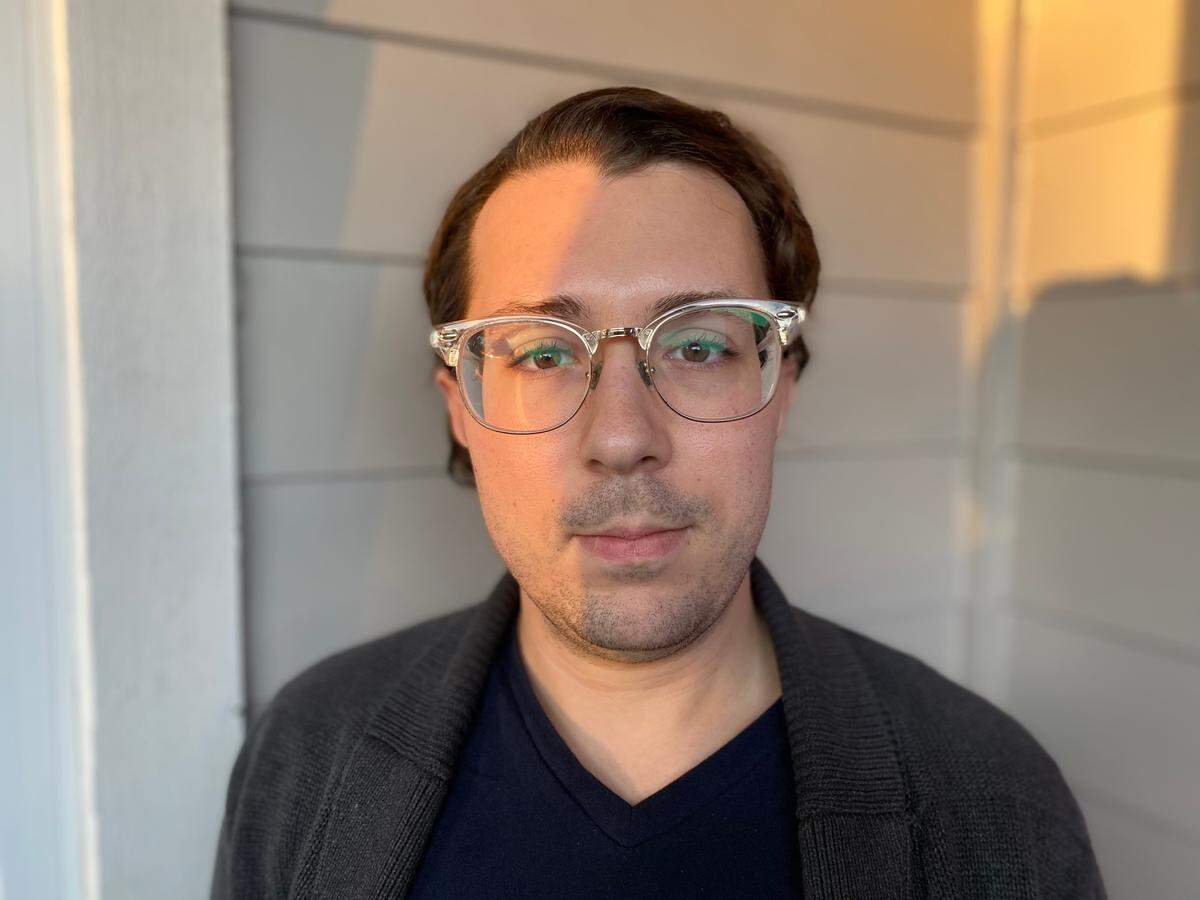
If you’ve attended an Horry County Council meeting in recent years, you’ve probably seen — and heard — Katrina Morrison, even if you didn’t know her name.
The 55-year-old grandmother is frequently at county council meetings. Morrison said she’s tried to speak at every other meeting for the past seven years — and addresses topics from domestic violence to flooding to infrastructure needs.
But Morrison’s presence at the podium became a subject of controversy Tuesday night after several council members suggested she was bending the rules and using her time to give political campaign speeches.
That’s because Morrison is one of the four candidates running to be the chair of Horry County Council, a powerful position that serves as the top leadership across the entire county.
After speaking on Tuesday, council member Johnny Vaught and current council chair Johnny Gardner both admonished Morrison from the dais, and suggested her speaking during the “public input” portion of the meeting was inappropriate.
“I’ve been on panels with the speaker a couple of times now and the issues that she brought forth today were somewhat her platform,” Vaught, who is also running for chair, said Tuesday. “I don’t really think it’s very fair to have her to be able to stand up and make campaign speeches during public input time.”
Gardner, who’s running for re-election as chair, agreed.
“While we’re on that, I have been asked why she gets to talk every night that we have a council meeting,” he said. “And the answer to that is she’s gaming the rules.”
Morrison, who’s butted heads with council members in the past, took the criticism in stride and said she knew the First Amendment would protect her right to speak at county council meetings.
“If I want to speak at every meeting and there’s an opening I can speak,” she said. “It’s not a political platform I come to speak all the time.”
But the situation raises bigger questions about the First Amendment, which protects the freedom of speech, and what speech is and is not allowed in public forums like the public input portion of county council meetings.
The biggest question: Can county government control what can and cannot be said at public council meetings? Does limiting speech at council meetings violate the First Amendment?
According to Columbia-based attorney Jay Bender, local governments can in fact make rules for the public input portion of their meetings.
What they can’t do, though, Bender said, is create rules that govern the content of speech. That means rules like time limits, Horry County allows speakers five minutes each during public input, which apply to everyone regardless of the content of their speech are allowed.
But rules that deal directly with the content of speech — for example banning political speech — are not allowed.
“The prohibition is that you can’t have a rule that restricts speech based on the content of the speech,” Bender, who’s a First Amendment expert, said. “If it’s a content-neutral rule, that’s consistent with the First and Fourteenth Amendments.”
Vaught on Wednesday argued that making political campaign speeches during public comment shouldn’t be allowed — and Bender said that such a rule wouldn’t not violate the First Amendment if it was applied to all political candidates. Plus, Vaught said, he was more concerned with how frequently Morrison spoke than what she spoke about.
“You can’t dominate the situation, you have to leave room for the public to air their concerns,” he said. “You can’t hog the time.”
Vaught added that he would support barring political candidates from speaking during public input.
“That would be the cleanest,” he said.
Gardner, for his part, said he appreciates the public input portion of council meetings and said rules should be aimed at making sure a variety of people can present issues that the council can help with.
“We do have some limitations on there,” he said. “We do have a couple rules and I don’t want anyone grandstanding or insulting people.”
He said he might support a rule barring candidates for office from speaking during public input but noted that the county hadn’t needed such a rule to date.
“It would be unfortunate if it turned into a campaign rally,” he said. “Pretty soon you’re out of time and all you’ve heard is campaign speeches.”
What happened on Tuesday
At Horry County’s council meeting on Tuesday, Morrison was slated to speak as an “alternate” meaning that she would have only spoken if the previous speakers didn’t take up the full 30-minute public input portion.
Morrison spoke for several minutes about the need for turning lanes in new developments and about stormwater runoff issues in her Little River neighborhood.
But when she was done, Vaught suggested she shouldn’t have been allowed to address those topics because they’re part of her campaign platform for council chair. He asked county attorney Arrigo Carotti to weigh in.
“Are there rules against having political candidates making campaign speeches from the podium during public input?” Vaught asked.
Carotti said he wasn’t aware of any rules like that.
“Whatever business is brought before the county should be germane to county business,” Carotti said. “It would be at the discretion of the Chairman if the discussion wavered from that.”
Carotti, in an email on Wednesday, declined to comment further on the situation or on council rules regarding public input.
Vaught noted that Morrison hadn’t broken any rules but that he felt her speech on Tuesday was “inappropriate.”
Morrison, for her part, said she speaks so frequently because she has a right to, and because she tries to help other residents understand the wonky processes and procedures behind decisions that Horry County Council makes.
She said she’s helped residents for years and only considered running for office in late March.
“That’s why I come to county council meetings, because someone has to be looking at what happens during the meetings,” she said. “I can stand at that mic any time there’s a free spot.”
Not the first time Gardner and Morrison have butted heads
In November, Gardner pushed forward an ordinance that would have changed the rules about how frequently members of the public could speak during public comment.
The current rules suggest that residents should only speak once every 60 days but allows them to speak every meeting if time permits. That’s the “alternate” portion that Morrison often speaks during.
Gardner’s changes would have eliminated that, and restricted everyone to one public comment speech every two months. In a November interview, Morrison said she suspected she was the subject of the ordinance. Gardner, on Wednesday, said the ordinance — which has since died — wasn’t aimed at any one person.
Such a rule likely does not violate the First Amendment, Bender said, because it does not address the content of speech during public input. Afterall, he said, “there’s no requirement that a public comment period be offered.”
But Lynn Teague, of the South Carolina League of Women Voters, cautioned that governments shouldn’t make rules to restrict what people can say at public meetings.
“Just the fact she’s a candidate should not be an issue,” Teague said. “I don’t understand why that would disqualify someone from speaking at county council.”
She noted that if the government regulated what could be said at public meetings, “I can think of any number of people who would have been kicked out of statehouse hearings.”
Morrison said she plans to continue to address county council, whether she wins or loses the June 14 primary election.
Plus, Bender noted, public input give county councils a “barometer” of how the public is feeling.
Even if council members find some speakers “annoying,” he said, “that’s not too high a price to pay for democracy.”
This story was originally published May 19, 2022 at 5:00 AM.