Romans lay siege to Italian town centuries ago. Now, their weapons are recovered
Before the era of the Romans in southern Italy, the Messapii people crossed the Adriatic Sea and called the Italian peninsula home.
They built a culture that lasted for nearly 800 years, but it was no match for the rise of Rome.
Now, archaeologists working on the outskirts of the ancient city of Ugento have uncovered fortifications — and the weapons Romans left behind.
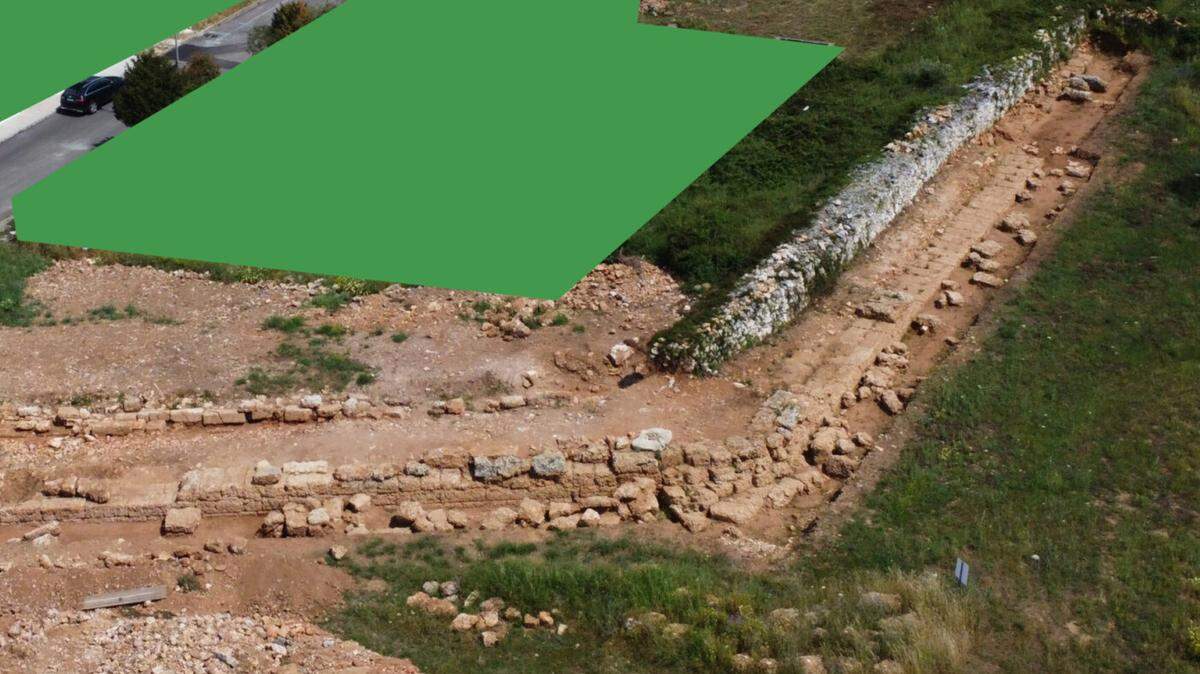
Archaeologists working from April to June found the structural remains of Messapian city walls dating to the fourth and third centuries B.C., according to a June 19 news release and Facebook post from the Archaeological Mapping Laboratory, working with the Ministry of Culture.
One segment stretches more than 200 feet long, officials said, and has three to four layers of the wall still preserved.
Archaeologists identified two phases of construction: an earlier stage that created the foundation of the wall and a later stage where an external curtain of blocks was added, according to the release.
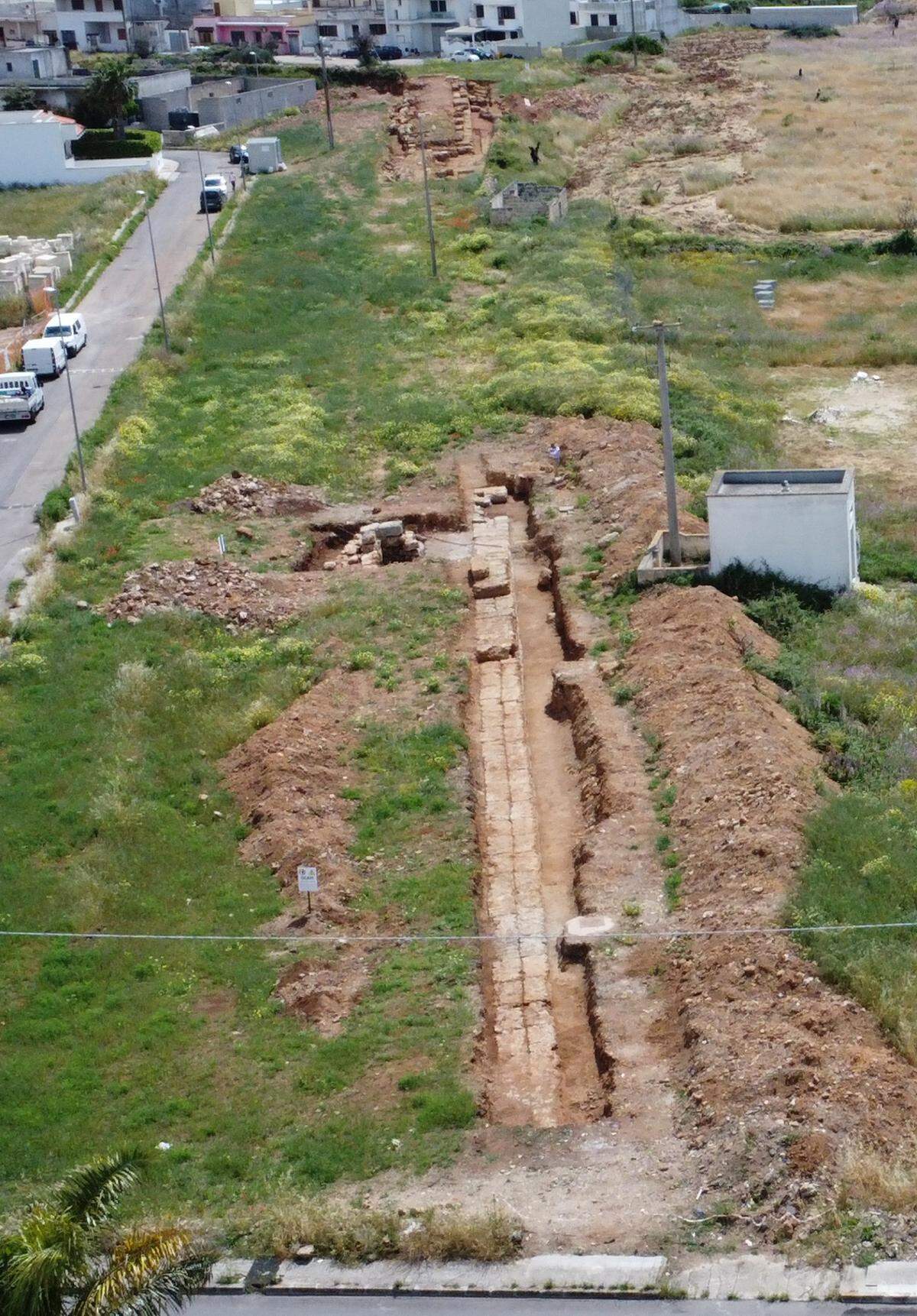
Directly outside angular sections of wall, a layer of material was found that dates to the final years of the third century B.C., archaeologists said.
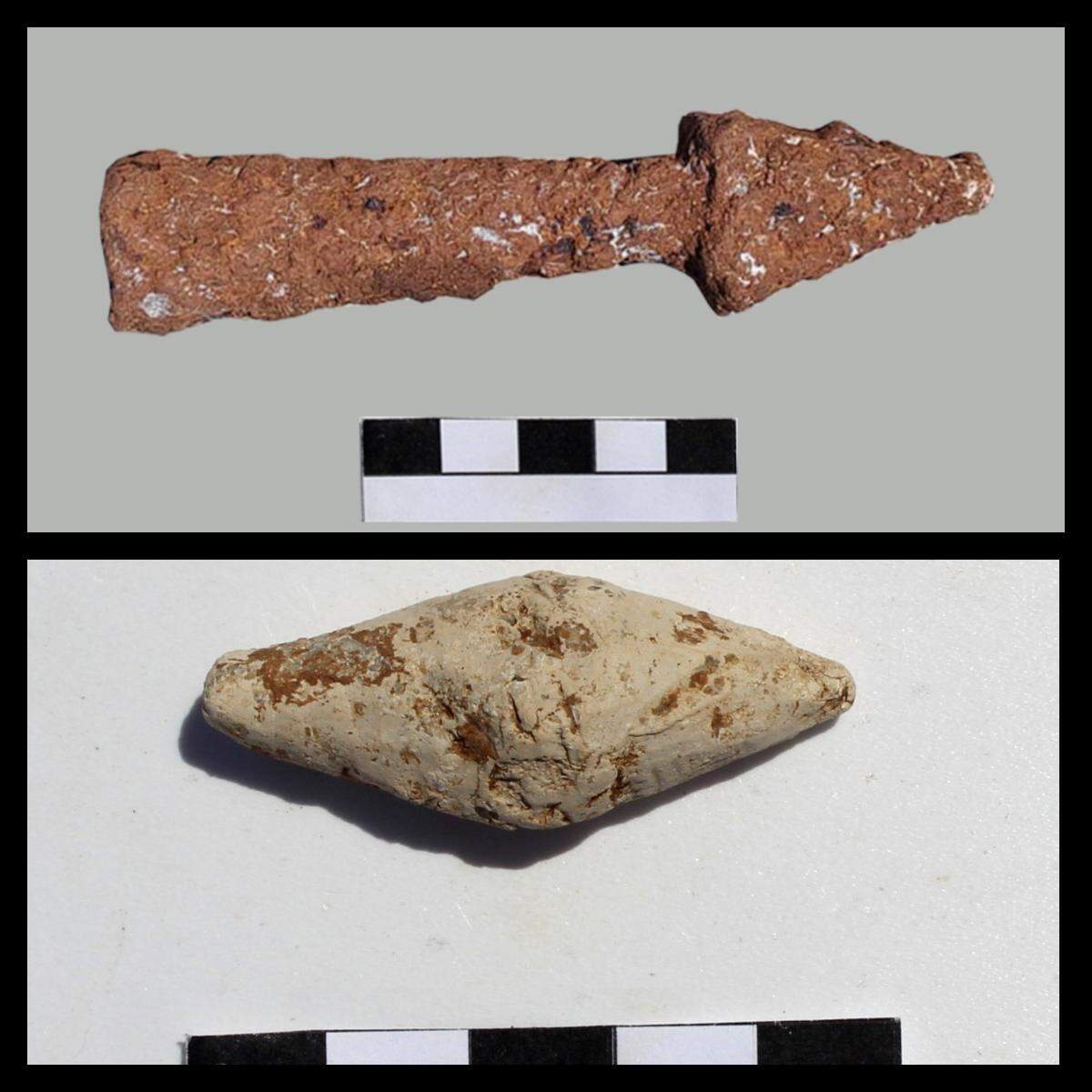
When the layer was unearthed, researchers found more than 450 lead missile acorns, a type of small projectile, and nine iron dart tips, according to the release.
These weapons belonged to the Roman army during their siege of Ugento, archaeologists said.
The weapons were likely used in a Roman war machine, like a scorpio, which was essentially a large stationary crossbow that fired artillery.
The dating of the weapons suggest they were used during the Hannibalic War, in 209 B.C., when the city of Ugento joined Hannibal to fight the Romans, researchers said.
The Hannibalic War, also called the Second Punic War, ran for about 18 years between Carthage and Rome under the leadership of Hannibal based out of Spain, according to Britannica.
Hannibal held power in southern Italy for a period of time, but the Romans eventually took the land and pushed Hannibal’s forces out of Italy and Spain, and ordered him back to Africa, according to Britannica.
Ugento fell siege to the Romans, and during the second and first centuries B.C., its defenses were incrementally dismantled and reused as quarry for new structures, archaeologists said.
Ugento is in the southeastern peninsula of Italy, between the Adriatic and Ionian seas.
Google Translate and Facebook Translate were used to translate the news release and Facebook post from the Archaeological Mapping Laboratory, respectively.
This story was originally published June 23, 2025 at 1:59 PM with the headline "Romans lay siege to Italian town centuries ago. Now, their weapons are recovered."