Ancient waste shows surprising ‘luxury’ food item was not only for Roman elite
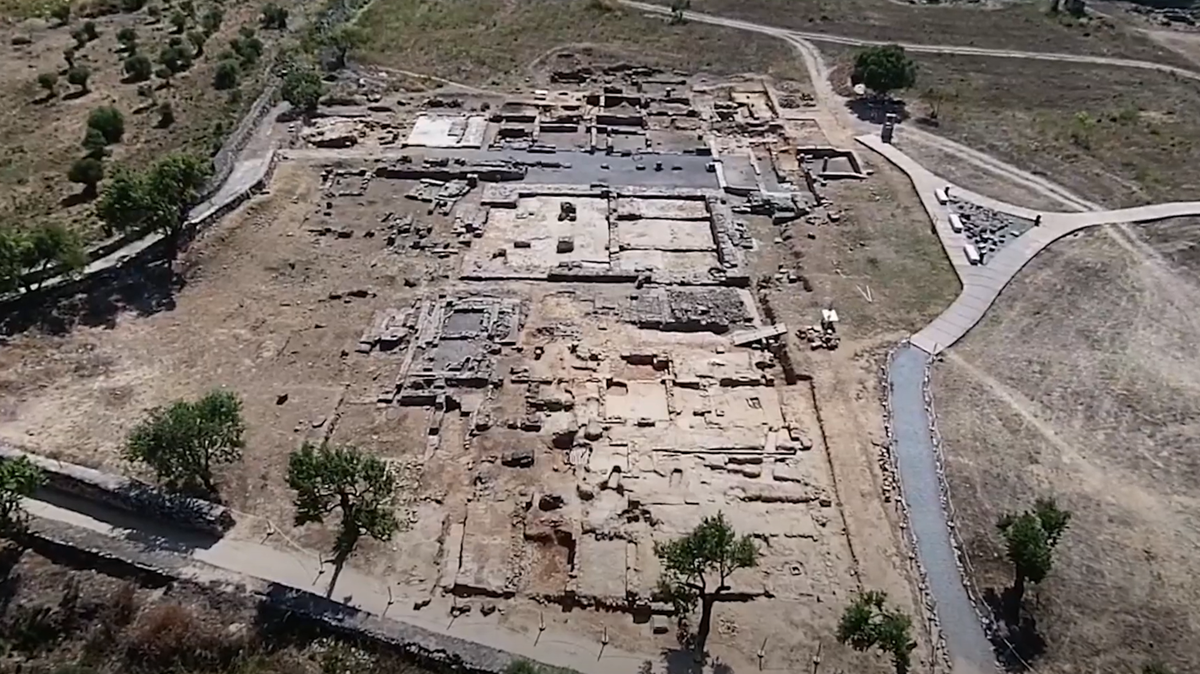
On the island of Mallorca, in what was once the ancient Roman city of Pollentia, researchers have unearthed evidence of street food vendors selling an item long believed to be reserved for the elite.
The popular on-the-go menu item offered to the masses? A fried songbird.
Archaeologists discovered the remains of thrushes in an underground waste disposal system called a cesspit connected to a taberna, or food shop, in Pollentia dating back about 2,100 years, according to a May 26 study published in the International Journal of Osteoarchaeology.
Cesspits preserve organic material and provide insights into the diets, health and cultural practices of ancient communities, making them important archaeological artifacts, study author Alejandro Valenzuela said.
Before now, historical records indicated that thrushes were “exclusively a luxury food item for elite banquets” and consumed only by the “upper echelons of Roman society,” according to Valenzuela.
The presence of thrush bones among waste deposits of urban kitchens of shops associated with “lower and middle-class” residents challenges this view, according to Valenzuela.
“This evidence suggests that thrushes were commonly sold and consumed in Roman urban spaces,” Valenzuela said, adding they were “part of the everyday diet of urban populations.”
Valenzuela said it is likely that the thrushes were pan-fried at the market in Pollentia — a common Roman culinary practice of the time, particularly among street vendors who needed to serve food quickly.
Thrushes migrate to Mallorca in the winter, so urban vendors likely took advantage of their seasonal availability to diversify their menus — “a sophisticated economic strategy,” according to the study.
Elite members of society distinguished themselves by breeding thrushes, making them available year-round, according to the study.
Excavations of Pollentia began in the early twentieth century, according to experts at Institute of Archaeology of the University of Barcelona.
Mallorca is one of Spain’s Balearic Islands.
This story was originally published June 3, 2025 at 5:39 PM with the headline "Ancient waste shows surprising ‘luxury’ food item was not only for Roman elite."