Ancient stonemason tools — some never seen before — unearthed in Romanian forest
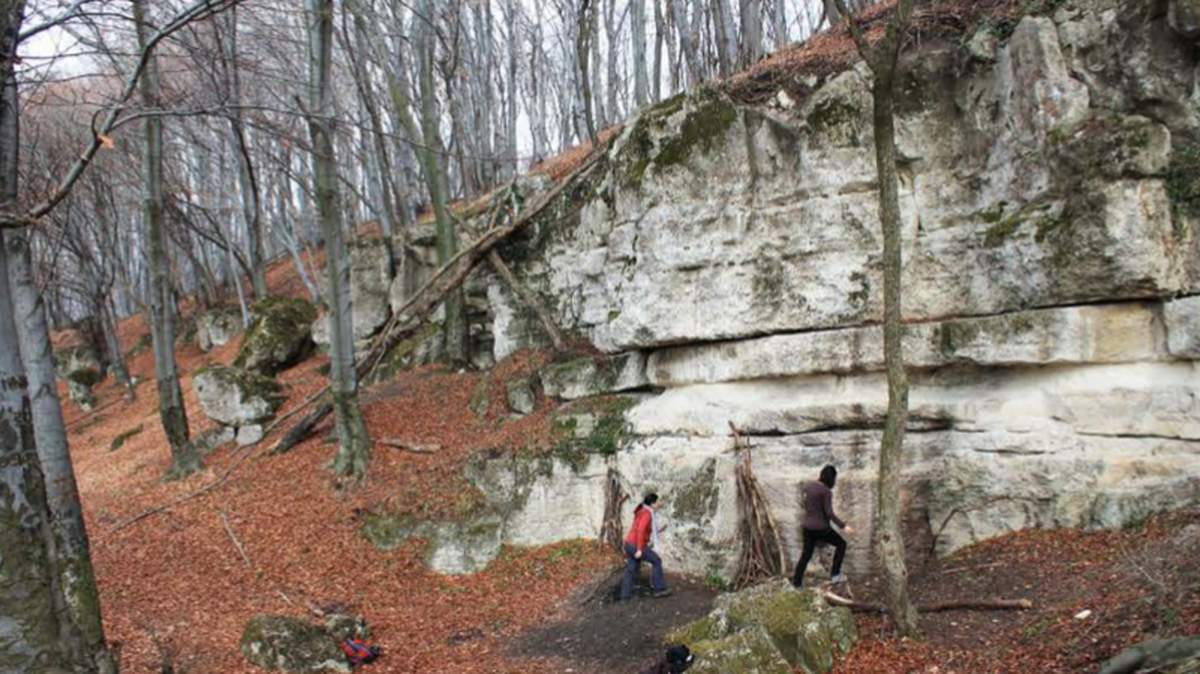
In 2022, a villager walking through the forest near the Măgura Călanului limestone quarry in Romania came across an ancient set of tools hidden at the base of a tree.
The cache of iron tools, estimated to be more about 2,000 years old, belonged to a Dacian stonemason and is “one of the most varied and complete” kits ever discovered from European antiquity, according to a May 5 study written by Aurora Pețan and published in the journal Praehistorische Zeitschrift.
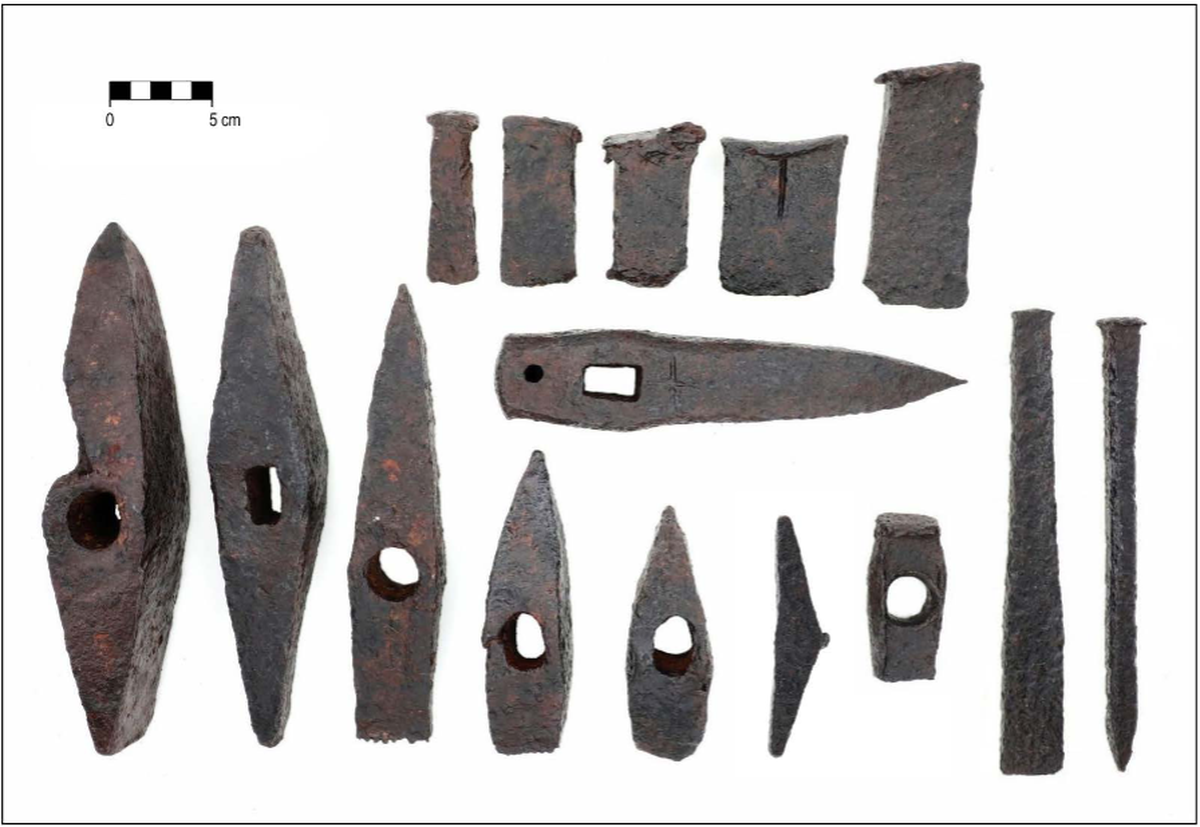
While some tools are similar to those found in Greek and Roman areas, others have no known parallel, according to the study.
No two tools in the kit were alike, suggesting that it likely belonged to an individual who may have been a master mason, Pețan said.
Some of the never-before-seen tools “exhibit local innovations, highlighting both technological exchanges with the Mediterranean world and the ingenuity and adaptability of the Dacian craftsmen,” Pețan said.
The toolkit weighed 24 pounds and contained 15 iron implements, including five double-headed picks, five wedges, a whetting hammer, a field anvil, a small pick, a point and a flat chisel.
They are mostly precision tools, indicating the owner “was skilled in shaping and preparing stone blocks for construction or decorative purposes,” according to the study.
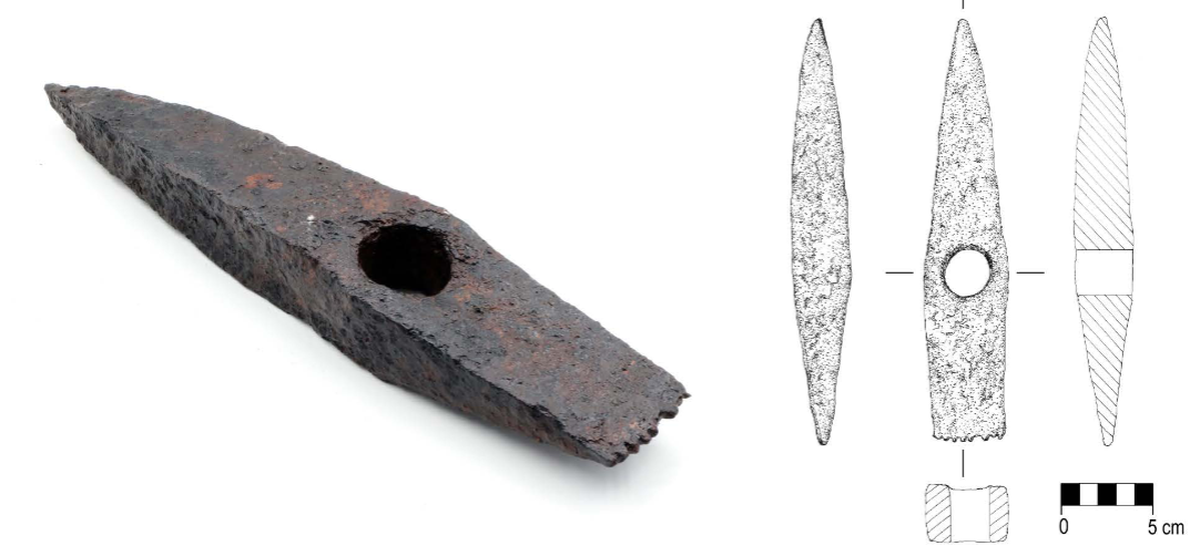
Pețan said some of the double-headed picks with a toothed cross-pein have no analogue among Greek or Roman tool kits.
Finding a field anvil and whetting hammer — most often used in sharpening agricultural tools — among a stonemason’s tools is also unique, according to the study.
The presence of these tools highlights the “innovation of Dacian craftsmen, who repurposed existing tools and technologies to meet the specific needs of their work,” and also eliminated the need for a blacksmith, Pețan said.
According to the study, the tool kit may have been intentionally hidden during a “crisis period, possibly related to the Roman conquest in 102 AD.”
Pețan said stonemason tools are a “rare” archaeological find, calling this discovery “exceptionally significant,” and “expected to impact the study of ancient craftsmanship and architectural techniques.”
Dacian fortresses built from Măgura Călanului limestone
Before being conquered by the Romans, Dacian power was centered in the Șureanu Mountains of southwestern Transylvania from the 1st century BC until the early 2nd century AD, according to Pețan.
Fortresses, temples, towers, defensive walls and retaining walls built from limestone from Măgura Călanului hill are a “key expression” of that power, the study said.
This story was originally published May 9, 2025 at 3:41 PM with the headline "Ancient stonemason tools — some never seen before — unearthed in Romanian forest."