‘Shape-shifting’ animals are growing larger body parts to survive, study finds. Why?
When temperatures are too hot, we look for air conditioning. When flood waters enter our homes, we seek higher ground. When hurricanes approach us, we evacuate or stock up on essential supplies.
Non-human animals, on the other hand, have fewer survival options at their disposal. So, they change the size of their body parts instead.
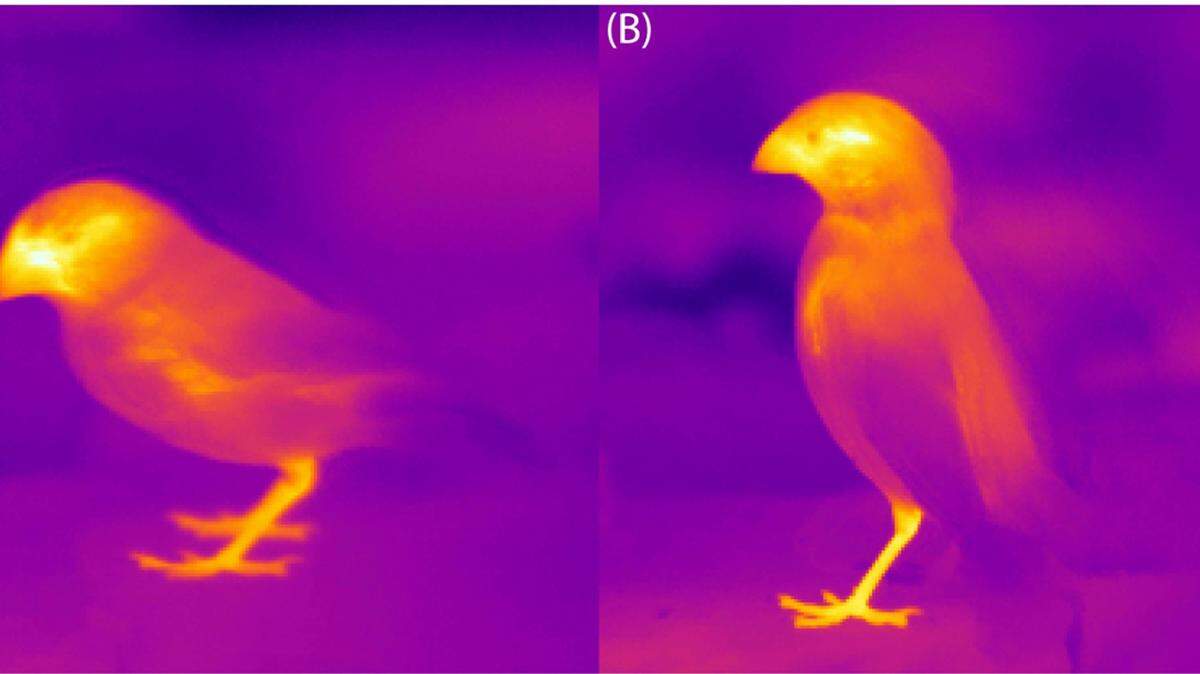
A review of existing research published Tuesday found that some warm-blooded animals are “shapeshifting” to better regulate their body temperatures as the Earth warms, including larger beaks, legs, ears and tails.
Some of the most dramatic changes have occurred in birds. The Australian parrot, for example, has experienced a 4%-10% growth in beak size since 1871, a shift that correlates with rising summer temperatures each year.
Mammals have also dabbled in shapeshifting. Wood mice have been growing longer tails and masked shrews longer legs. The Chinese pygmy dormouse now sport larger ears, as well as North American hares.
“The increases in appendage size we see so far are quite small — less than 10% — so the changes are unlikely to be immediately noticeable,” study co-author Sara Ryding, a bird expert at Deakin University in Australia, said in a statement. “However, prominent appendages such as ears are predicted to increase — so we might end up with a live-action Dumbo in the not-so-distant future.”
These small but mighty transformations can be explained by a phenomenon known as Allen’s rule, wherein animals living in warmer climates have larger body parts relative to their body size to more effectively release body heat. The larger the surface area of an ear, for example, the more heat that can be dissipated from it.
Similarly, animals living in colder climates tend to have smaller or shorter appendages to better preserve heat. But as temperatures become more extreme over time, thanks to human-driven global warming, animals are forced to morph into different versions of themselves.
It’s what researchers call “an underappreciated response” to climate change. Failure to keep up with their environment can lead to loss of necessary function, death or even extinction.
“Shapeshifting does not mean that animals are coping with climate change and that all is ‘fine,’” Ryding said. “It just means they are evolving to survive it — but we’re not sure what the other ecological consequences of these changes are, or indeed that all species are capable of changing and surviving.”
While there may be more causes behind the shapeshifting than just climate change, the documented transformations so far have occurred across wide geographical regions and among many different species, suggesting “there is little in common apart from climate change.”
It’s also difficult to determine cause and effect because shapeshifting data spans several geological ages, researchers say, not to mention the “multifaceted effects climate change has on the environment,” including the water cycle.
Ryding plans on deepening her study of shapeshifting in Australian birds by 3D scanning specimens sitting in museums from the last 100 years.
Some remaining questions to be answered: What determines whether an animal shape shifts? And to what extent are these changes based on genetics or responses to the environment?
This story was originally published September 9, 2021 at 12:59 PM with the headline "‘Shape-shifting’ animals are growing larger body parts to survive, study finds. Why?."