Most of kids’ calories come from ‘ultra-processed’ foods, study says. Why that matters
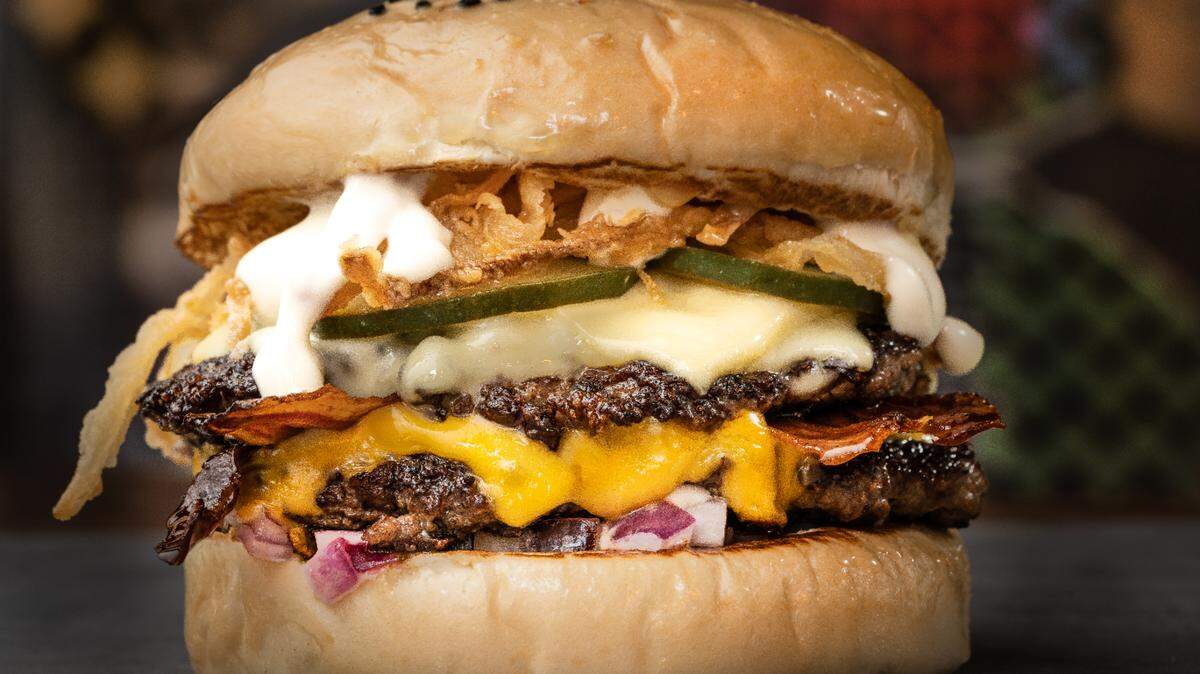
Frozen pizzas, fast-food burgers and other microwavable meals are convenient, quick and easy. Especially when in a pinch for time.
But these heavily processed and high calorie foods can result in dangerous long-term health impacts for kids — like childhood obesity, diabetes and cardiovascular diseases.
A study published Monday in the JAMA journal found “ultra-processed” foods made up two-thirds of kids’ diets after reviewing data collected from 1999 to 2018. Their caloric intake of these foods rose from 61% to 67%.
In the study, researchers from Friedman School of Nutrition Science and Policy at Tufts University analyzed the diets of 3,795 children aged 2-19 from across the country.
They also looked at federal data collected from the National Health and Nutrition Examination Survey — a survey organized by the Centers for Disease Control and Prevention.
From the data, researchers found the largest increase in calories resulted from “ready-to-eat” or “ready-to-heat dishes” like frozen pizza and fast-food burgers. Calories jumped from 2.2% to 11.2%.
Calories from desserts and packaged sweets also increased from 10.6% to 12.9%, the study found.
What are ultra-processed foods?
Ultra-processed foods have several added ingredients including salt, sugar, artificial color and preservatives. And there’s extracted food added to highly processed foods too, like fats, starches and hydrogenated fats.
Commonly processed foods include french fries, fast-food burgers, cereal, hot dogs, frozen meals, soft drinks, fast food, salty and sweet snacks, cakes, cookies and lunch meat.
Unlike processed foods with several added ingredients, unprocessed foods are minimally processed and still contain vitamins and nutrients. For the most part, the food remains in its natural state like apples, raw chicken, melon and unsalted nuts, according to Harvard Health Publishing.
What highly processed foods mean for kids’ health
Childhood obesity rates in the U.S. are rising. In fact, the number of children impacted by childhood obesity has tripled since 1970, according to a CDC study from 2015 to 2016.
And there’s evidence the consumption of ultra-processed foods is linked to “excessive calorie consumption and weight gain,” Tufts University researchers said.
“Food processing is an often-overlooked dimension in nutrition research. We may need to consider that ultra processing of some foods may be associated with health risks, independent of the poor nutrient profile of ultra-processed foods generally,” co-author of the study Fang Fang Zhang said.
Eating an excessive amount of ultra-processed food is dangerous and bad for people’s health, the study pointed out, because high consumption is linked to diabetes, obesity and other medical conditions.
And it’s not just children who are affected. A 2018 study published in The BMJ found adults who had consumed ultra-processed foods had a higher risk of cardiovascular disease, coronary heart disease and cerebrovascular disease.
This story was originally published August 10, 2021 at 7:45 PM with the headline "Most of kids’ calories come from ‘ultra-processed’ foods, study says. Why that matters."