
Underwater forest found off Alabama prompts study into ‘sudden’ event that buried it
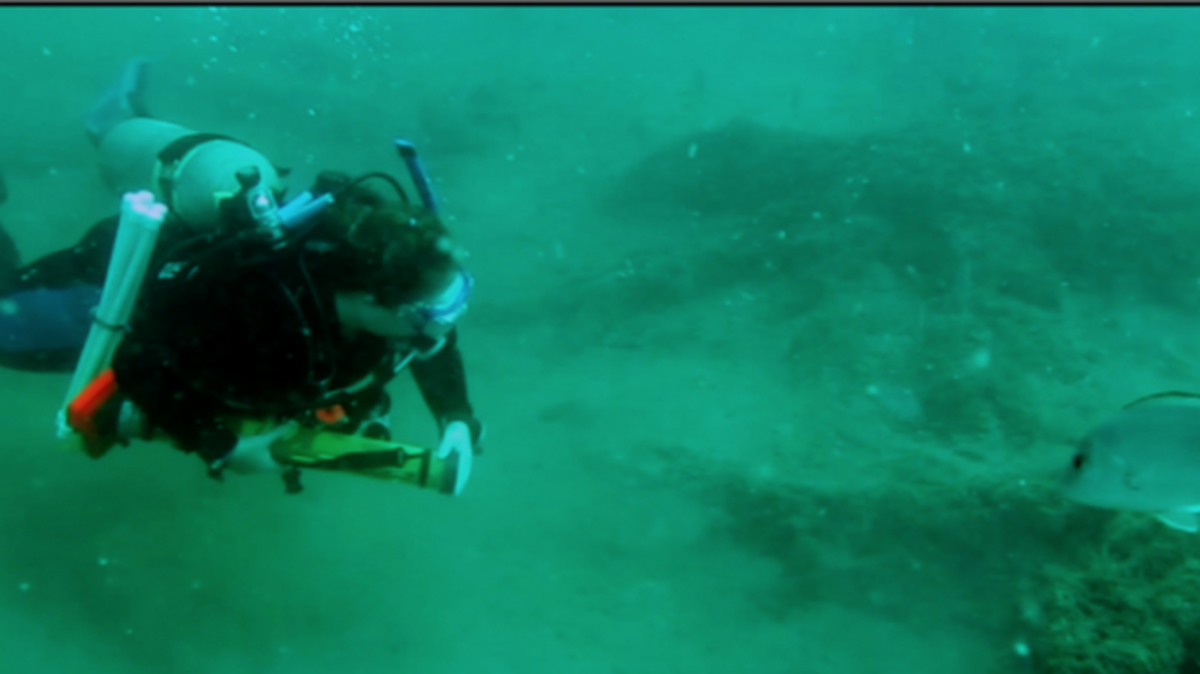
A mystery has been found 8 miles off the coast of Alabama, in the form of an Ice Age forest that could be as much as 74,000 years old.
The stumps are 60 feet down in the Gulf of Mexico and so well preserved that wood samples still smelled “like freshly cut cypress,” according to a release from Louisiana State University.
But that’s not the biggest mystery. The real puzzle is figuring out the “sudden event” that covered the trees with sediment — before they were hidden by the ocean.
Two theories have emerged. One hypothesis is that sea level “rose suddenly” and buried the forest, though “suddenly” in this case could mean “years to centuries.”
The other theory is more intriguing and hints at something cataclysmic.
“We also have evidence from tree-ring analysis that suggests a ‘sudden’ event, occurring within years, resulted in several trees dying at the same time,” Associate Professor Kristine DeLong of Louisiana State University told McClatchy News.
“We do not know what this event was, but we are investigating the cause further. Tree-rings have an annual resolution so we cannot say anything occurred shorter than a year at this point. We are looking into methods that would allow us to look at seasonal changes and we may be able to figure out the timing better.”
A preliminary study of the forest was published May 3 in Boreas, and reports the trees were found after Hurricane Ivan scoured a section of gulf floor in 2004. The trees are in “an elongated depression” that is about 328 feet long and just over 3 feet deep, the report states.
It wasn’t until 2013 that DeLong and a team visited the spot, recovering samples that revealed the trees were “from the early part of the last ice age and between 42,000 to 74,000 years old.”
“We were surprised to find this cypress wood intact, because wood normally decomposes in the ocean from shipworms and bacteria,” DeLong said in the release.
More surprising were the sediment samples taken in 2015 and 2016. They held “dark, organic peat, ... roots and leaves,” researchers said.
“As a marine geologist, we don’t see this type of sediment,” DeLong said. “What was interesting was finding seeds from St. John’s wort, button bush and rose mallow, which are native plants we can find on land today, but we found them preserved in the ocean.”
DeLong said the team’s report is phase one of a study that will continue with fieldwork this summer and next year.
“This project has provided us with a rare glimpse of the paleoenvironment of the Gulf Coast during the last ice age, whereas in other locations this paleo record has been removed by either ice sheets ‘bulldozing’ the land surface ... or the remnants of the past have been decomposed,” she told McClatchy News.
“The swamp forest site buried in the Gulf of Mexico under 10 feet of sand has helped preserved the wood and sediments for us to study.”
This story was originally published June 7, 2021 at 12:32 PM with the headline "Underwater forest found off Alabama prompts study into ‘sudden’ event that buried it."