Horry County parents join fight opposing anti-critical race theory bills in SC
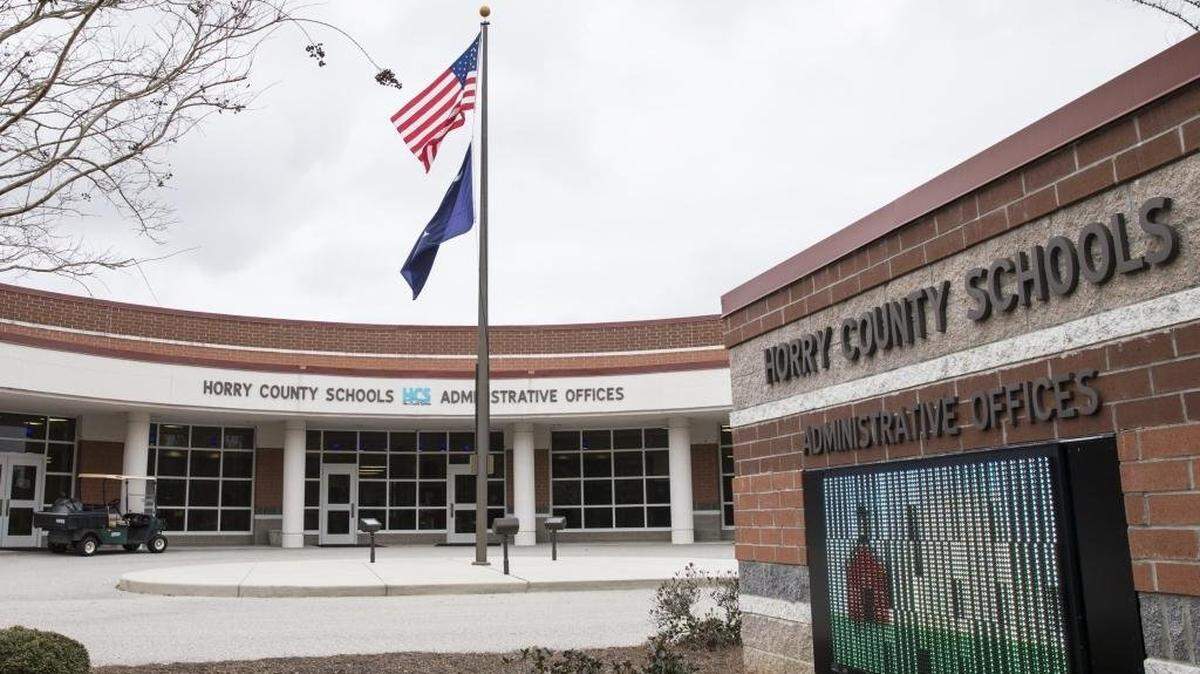
As bills banning critical race theory in schools make their way through the South Carolina legislature, some Horry County teachers, parents and activists say the potential laws could cause teachers to leave the classroom and students to receive a watered-down education.
Critical race theory, or CRT, centers on the idea that racism is embedded into institutions such as education, the justice system, policing and housing.
South Carolina currently doesn’t have any curriculum requirements relating to the teaching of CRT, and it’s generally not taught until high-level graduate philosophy or law classes.
Horry County Schools follows state curriculum standards and doesn’t teach CRT, spokesperson Lisa Bourcier said.
But several bills —H4799, H4325, H4343, H4392, H4605, S534 — proposed in the S.C. House and Senate target the practice, with language banning the teaching of anything that would make students feel “discomfort, guilt, anguish or any other form of psychological distress” based on their race, sex or other identifier.
“When we talk about (historical events), I don’t think the attempt is to try to make students feel guilty,” said Todd Scholl, professional policy and teaching fellow at the South Carolina Education Association. “It’s to say, ‘Look at these horrible things humans have done to humans. Let’s not do that again. Let’s not repeat that.’”
But critical race theory has become a catch-all umbrella phrase used to discuss “any classroom instruction that individuals or groups do not feel is appropriate,” state superintendent Molly Spearman said last month.
Could teachers leave the classroom if bills pass?
Scholl and others expressed concern that the signing of these bills into law could exacerbate South Carolina’s already dire teaching shortage.
A recent report concluded the state has more teacher vacancies than any other time on record. Worrying about being accused of guilt-tripping students by teaching historical or current events could cause more teachers to walk away from the classroom, according to Scholl, who previously taught in Horry County Schools for more than 15 years.
“I think as a teacher, what it does is send a message of disrespect, that we don’t trust you to handle these types of conversations,” he said.
How important is comfort in the classroom?
Some proponents of anti-CRT legislation argue the inclusion of critical race theory in academic standards discriminates against white people.
But for some parents, including Shakedra Jenerette, avoiding topics about race and history in the classroom could perpetuate racism even further.
“They are causing the same people who have suffered from racism to continue to suffer because they’re not allowing people to be taught and understand what types of behaviors and beliefs created these value systems we have in the United States,” Jenerette said.
Jenerette, a lifelong Horry County resident who graduated from Loris High School, said she didn’t know about Black history prior to slavery until after she graduated because it wasn’t taught in schools. That type of selective teaching is harmful, she said, and doesn’t give the full picture of American or world history.
Ashlyn Preaux, co-founder of Grand Strand Action together and mom of a first-grader at HCS, said the idea of banning subject matter that sparks “discomfort” in students could mean an inaccurate picture of history.
“I just want my child to be taught an accurate picture of history, it doesn’t matter if it’s uncomfortable,” Preaux said. “It doesn’t matter if it’s sad or makes someone feel an emotion, it’s stuff that happened.”
The realities of events like slavery, the Holocaust and the treatment of Indigenous people by American colonialists should make people uncomfortable to hear about, Scholl said. He likened an education that avoided discomfort to a photo posted on social media that’s clearly been edited.
“It’s fake,” he said. “And what they want to do is do a similar thing with American history, and apply a filter to American history, and wipe out all the blemishes because then you’re not getting an authentic look at the story of America.
“The story of America is a lot of things to celebrate and be proud of, but it’s also missteps along the way that we’ve had to learn from.”
ACLU and other groups oppose bills
The South Carolina American Civil Liberties Union, the E3 Foundation, the Lowcountry Black Parents Association and the NAACP Legal Defense and Educational Fund started a coalition of organizations, including Horry County’s Grand Strand Action Together, to oppose the anti-CRT language in the prospective laws.
The coalition will bolster testimonies from students and parents to oppose the legislation over the coming weeks, according to Josh Malkin, legal fellow and legislative and policy advocate at the ACLU in South Carolina.
“From the ACLU perspective here, it’s the restraint on freedom of speech,” Malkin said. “Discomfort is subjective, and you can’t expect a teacher to know what’s going to make a student feel uncomfortable.”
Spearman has affirmed she’s against the teaching of critical race theory, but said the proposed bills could lead to an undesired domino effect similar to what Preaux described.
“This is a dangerous path that we may be going down,” Spearman said in February. “We’ve got to be very, very careful.”
What comes next?
If the bills successfully make it through the legislative process and become law, Preaux said she’d take on more teaching at home to ensure her daughter gets a well-rounded education. But at a certain point, education policies like this could drive her to move out of the state, she said.
“I’m definitely not opposed to moving my kids somewhere where I think they’ll receive a better education,” she said.
HCS and the state Department of Education don’t have any current or proposed academic standards related to teaching critical race theory in the classroom.
Bourcier said many bills relating to education are introduced each year, and they’re refined before passing into law.
“These bills are vetted, and many amendments are proposed before a final vote is taken,” Bourcier wrote in an email to The Sun News. “If new bills are passed, school districts will receive additional information and further implementation guidance from the South Carolina Department of Education.”
Scholl stressed that the current curriculum doesn’t require critical race theory or anything resembling it, and said he thinks the focus on the theory is misguided.
“It would be like calling the fire department when your house isn’t on fire,” Scholl said. “This is a problem that really doesn’t exist.”
This story was originally published March 4, 2022 at 5:00 AM.