North Myrtle Beach Police wants drones to help with policing. Can city afford it?
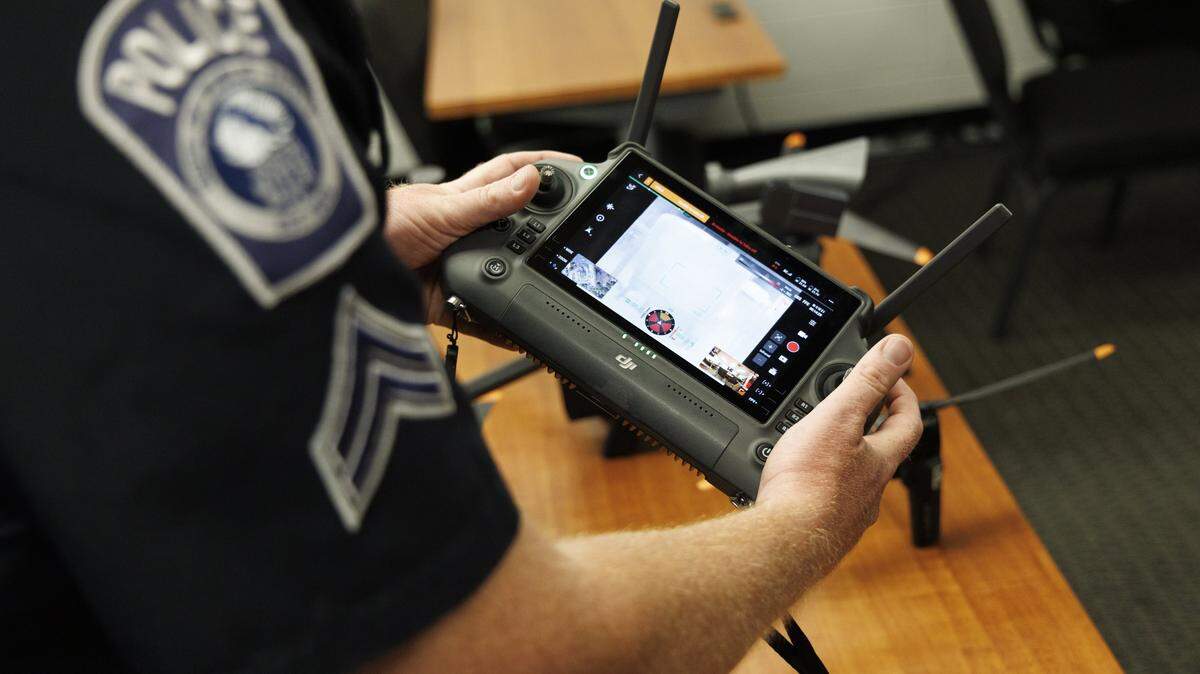
What does the future of police response look like in North Myrtle Beach? For Police Chief Dana Crowell, the answer may be drones.
The North Myrtle Beach Police Department is seeking money from the city to help fund a new drone program that would target first response situations. The program, commonly known as Drones as First Responder, automatically deploys drones to assist officers at crime scenes.
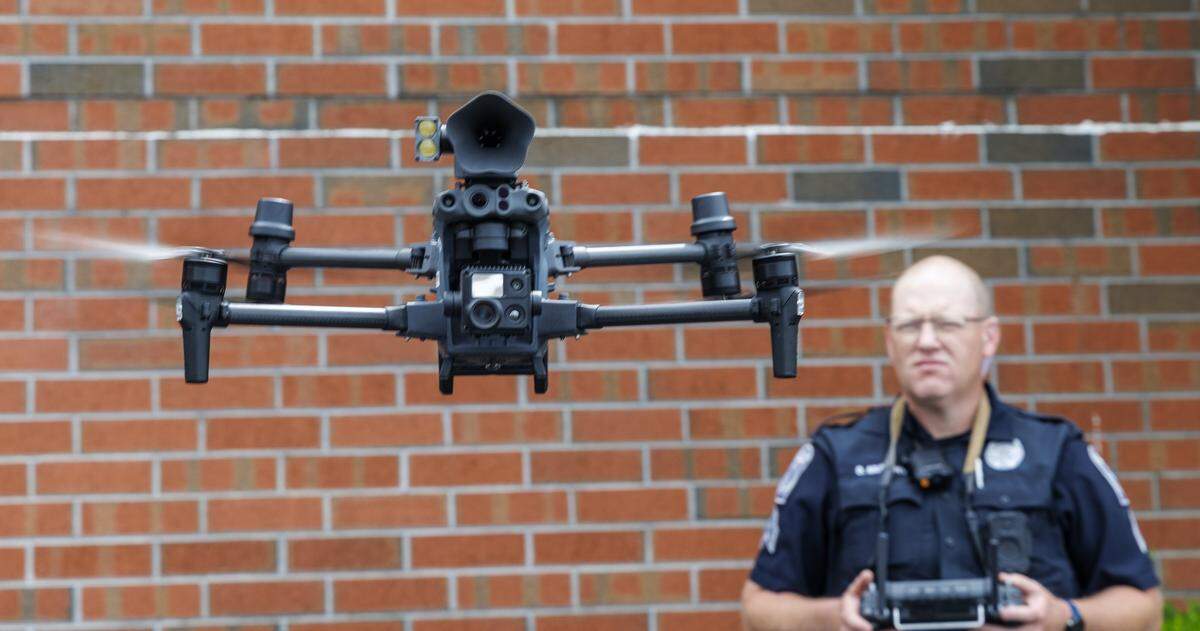
This type of program has become more popular across the country and within South Carolina. Police departments in Florence and Summerville have both adopted Drone as First Responder programs within the last year. But the technology comes with a major price tag.
The drone program would cost around $380,000 annually for the first few years, Crowell told The Sun News. That includes the drones, the software it takes to run the program and other maintenance expenses.
Crowell proposed the idea to North Myrtle Beach City Council’s during the city’s annual budget retreat at the end of April. But the city doesn’t have the funds yet to incorporate the program into its 2027 budget.
“It is a game changer,” Crowell said. “Although we have a real time crime center, we have limitations.”
Crowell and other officers leading the drone program are still hoping to get it started within the next few years. But how does the program change how officers use drone technology when responding to calls?
What do the drones do?
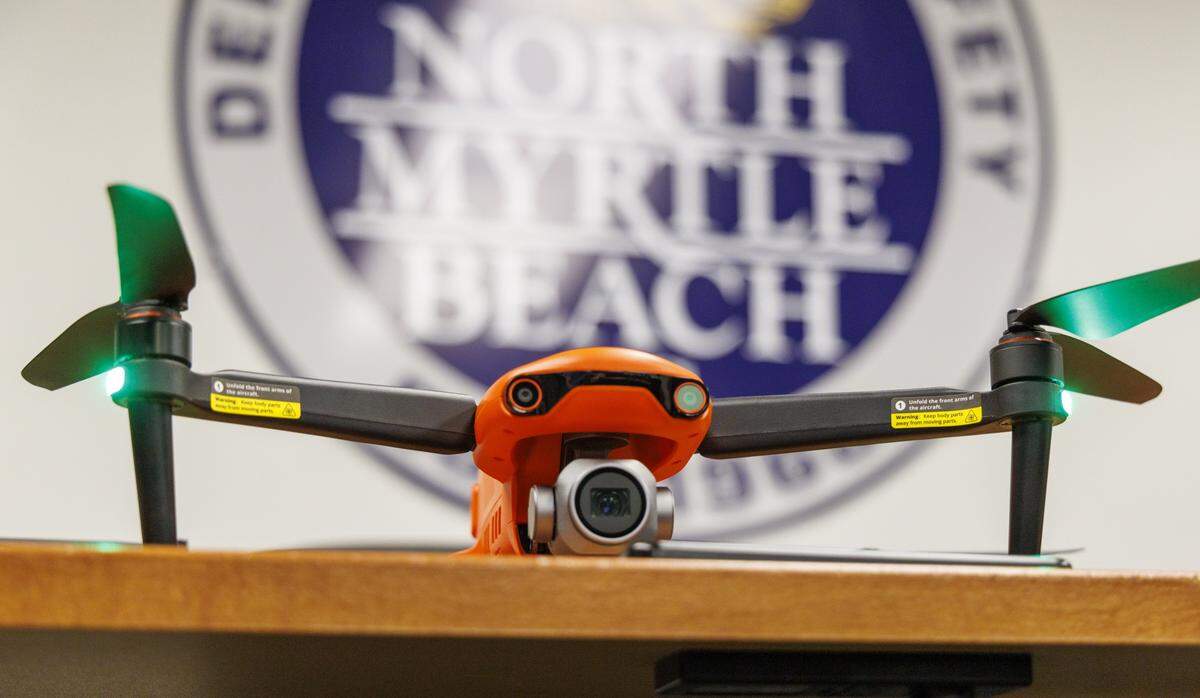
The use of drones in police departments isn’t anything new. Since 2018, North Myrtle Beach Police have had drones that assist with ocean rescue and fatal collisions.
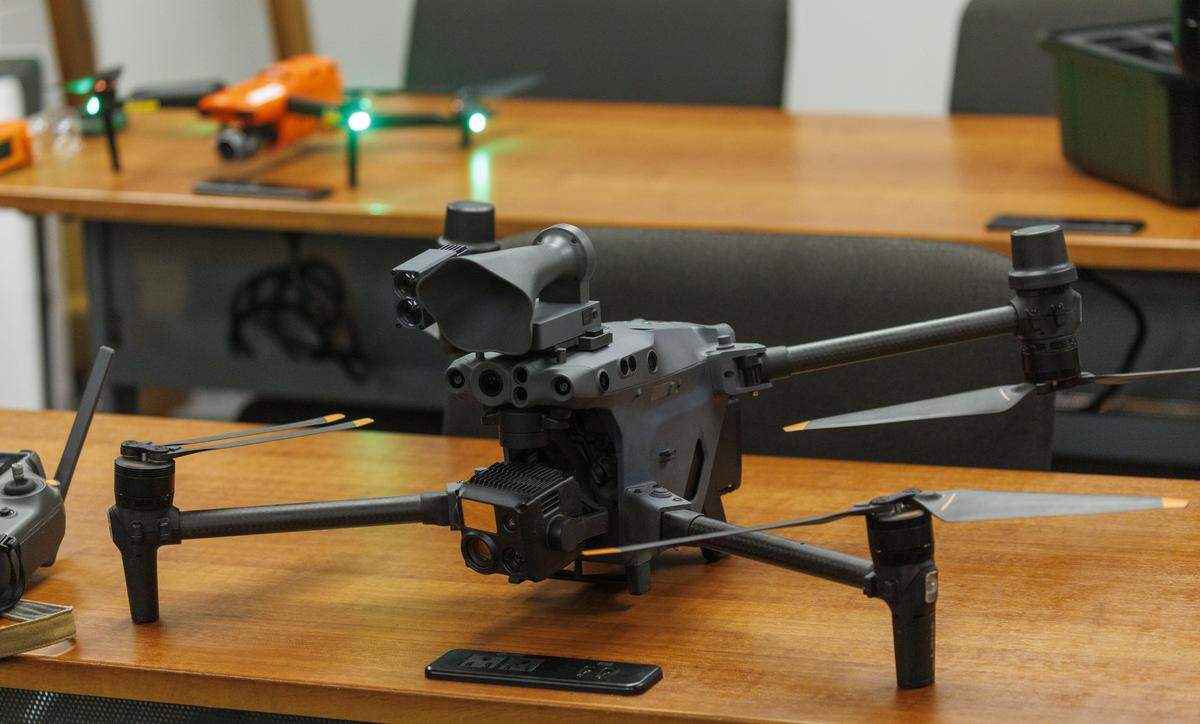
Where the Drone as First Responder program differs is with how the technology is controlled and launched. Currently, if the department wishes to use a drone while responding to a situation, the person who flies the drone has to physically be at the location of the incident, said Cpl. Stephen Murphy, a senior pilot with the department.
Murphy is part of the team that operates the drones. He’s had to use it in the past when responding to various incidents along the beach. When he gets an alert, he drives out to the beach, takes out his drone equipment and then launches it in the air.
“Ocean rescue is very, very high risk,” Murphy said. “What we want to see is we want to be able to put ourselves in that position to make that response.”
With the new program, officers don’t need to be at the location before getting the drone in the air. Instead, the drones are placed in pods throughout the city, and as soon as the department gets a 911 call, an officer can dispatch the drone and control it from their desk.
This allows officers to get a good look at what’s happening at a scene before they arrive, Crowell said.
“If we have an issue, that drone is going to get there, and it’s going to be able to tell us what’s going on,” Crowell said. “It (could save) one officer’s life because that drone can get there and say, ‘Hey, this guy has a gun.’”
If the department is able to get funding for the Drone as First Responder program in the future, it would start out with two drones, Crowell said.
Drone use in other cities
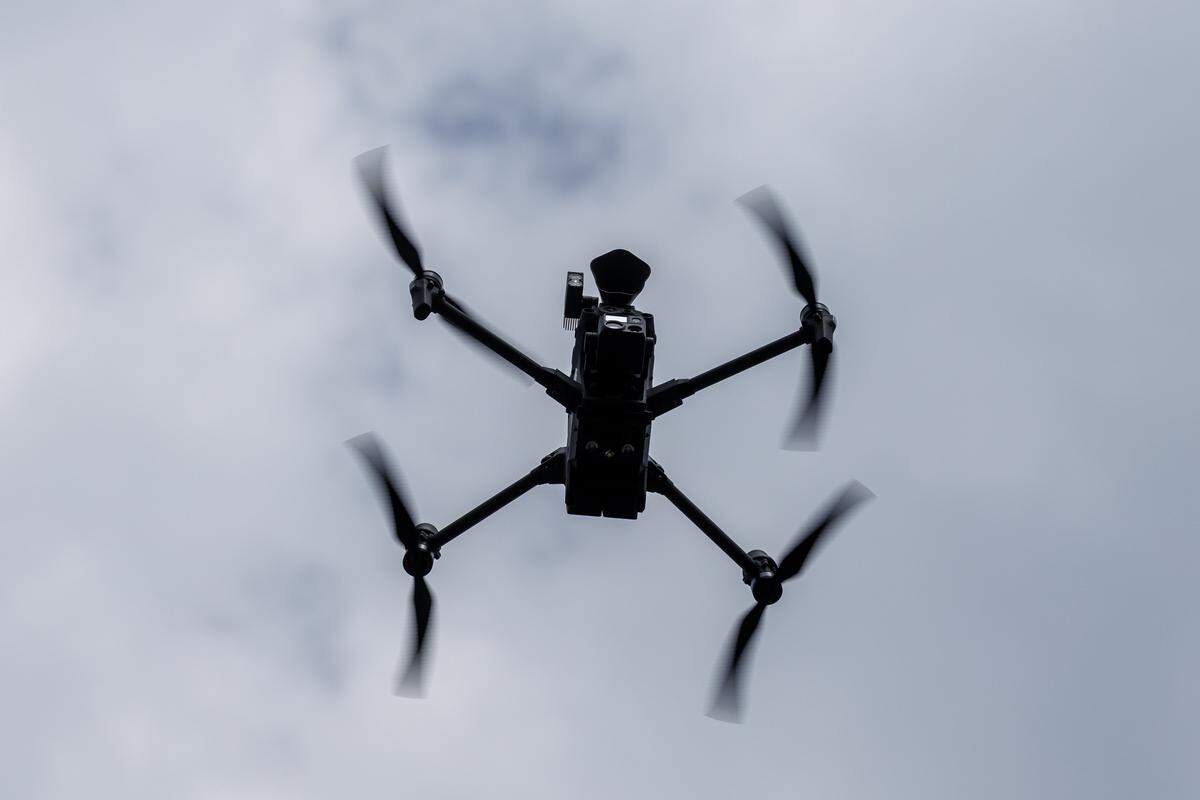
North Myrtle Beach Police Department is not the first one in the state to explore using this kind of technology.
Florence Police Department launched its Drone as First Responder program in May 2025. Since then, it’s helped get eyes on a scene quicker than an officer could, Lt. Justin Head said.
It normally takes officers three to five minutes to arrive on the scene whereas the drone can get there in two to three minutes, Head said. Florence Police Department has used it for both low priority calls, such as a red light at an intersection being out, and high priority calls, like a wanted person on the run.
The department first started looking into the drone program to help officers who may be short-staffed. This doesn’t mean that the technology does the job of an officer, Head said.
“This in no way replaces boots on the ground. This is just a way to keep (officers) safe,” Head said. “For the vast majority of calls, the drones are there to assist the officers that are going.”
Summerville Police Department is another law enforcement agency in South Carolina that has adopted the program. The department began using Drone as First Responder in February to help with responding faster to situations, Spokesperson Christopher Makowski said.
Florence Police Department has three drones to cover the city, while Summerville has one. The number needed depends on how much ground the drone would have to cover, Makowski said. Each drone can fly about three to five miles.
The drone doesn’t have to be deployed when responding to all situations, Makowski said. Summerville Police Department is still learning what calls would be best suited for a drone response, he said.
“There’s like a 50/50 chance you might deploy for a car accident. What’s a drone going to do for a car accident? You need hands on the ground in that situation,” Makowski said. “But (with) a robbery or a barricaded subject — there’s a ton of reasons for the drone to be deployed.”
Where does the cost come from?
The reason the annual cost would be so high at first is because of the drones the department would have to buy, Crowell said.
Once the drones are paid off, the cost per year would decrease to cover the software for the program and other operational costs.
The annual cost also depends on which software company a police department chooses to use for its drones.
Florence Police Department owns all of its drones but uses Paladin’s software to help run the program. The program costs the department $80,000 a year, Head said. In Summerville, the police department uses Motorola Solutions, which costs the program more than $10,000 a year.
For North Myrtle Beach, the department has been looking at Skydio drones due to its partnership with Axon, a weapons and technology company that the police department already uses for its body-worn cameras.
“A couple of years from now, we might be in a place financially to get it,” Crowell said. “We just wanted them to be able to see what’s out there and where we’re headed.”