
Horry County faces ‘extreme’ flood and home insurance costs. Five things to know
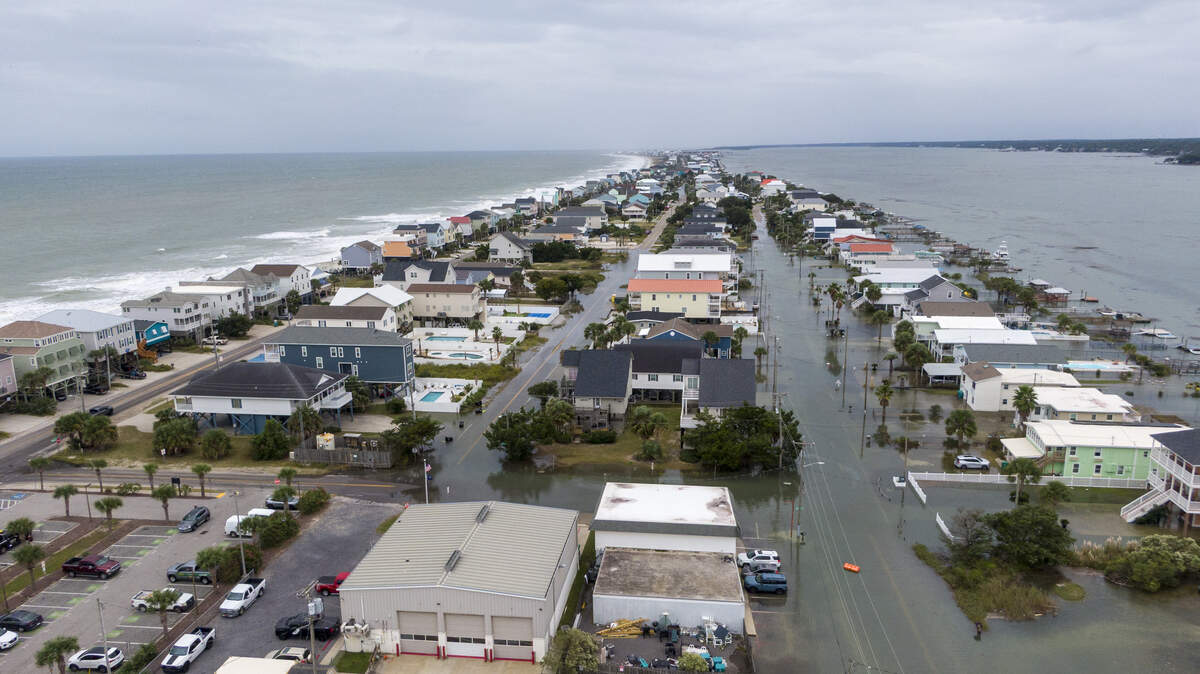
Horry County homeowners and prospective buyers face a shifting insurance landscape as climate risk pushes premiums higher across South Carolina’s coast.
Rising costs, expanded flood risk assessments and severe weather events are reshaping what it costs to own a home near the beach.
FULL STORIES: SC coastal homeowners will face major insurance hikes from climate risk, report says; Buying a beach home: These Myrtle Beach area communities face high risk of flooding; Beachfront dream, billionaire budget: Flood insurance pricing SC buyers from paradise
Here are five key takeaways:
- South Carolina homeowners could see premium increases between 60% to 203% within the next decade, with the state facing the second-most extreme insurance hikes in the country as coastal counties bear the highest risk.
- Horry County could see premiums increase up to 90%, or $2,400 over the next decade. Homeowners insurance has increased 38% nationwide since 2021 and could rise another 15% to 35% by 2035 and 35% to 107% by 2050, driven largely by more frequent billion-dollar weather disasters.
- Nearly 27,000 properties in Horry County carry a major, severe or extreme risk of flooding, but only 19,250 sit in FEMA-mapped A and V zones that require flood insurance with a mortgage.
- Horry County lost nearly 1,300 NFIP policies between 2024 and 2025, part of a broader trend where residents are dropping coverage as premiums double or triple, even in communities without recent flooding claims.
- Climate risks driving the insurance market shift include hurricanes, high winds, heat, flooding and wildfires. South Carolina has increasingly dealt with extreme flooding from heavy rainfall events like Hurricanes Matthew, Florence and Helene, while sea-level rise worsens King Tide flooding and storm surges erode protective dunes.
The summary points above were compiled with the help of AI tools and edited by journalists. The source reporting referenced above was written and edited entirely by journalists.