40 years of Atlantic Beach Bike Fest: How lawsuits, public safety have shaped it
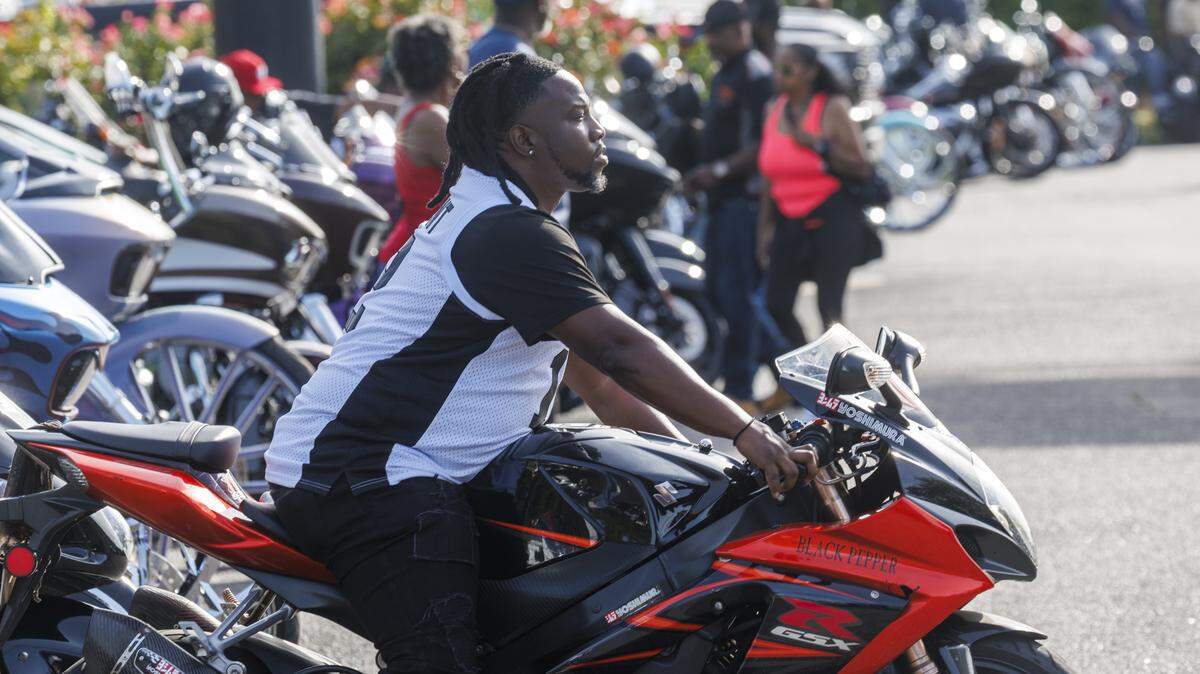
Atlantic Beach Bike Fest, officially the Black Pearl Cultural Heritage and Bike Festival but also referred to as Black Bike Week, has drawn tens of thousands of motorcyclists to the small Grand Strand town every Memorial Day weekend since 1980.
For more than four decades, the event has been shaped by lawsuits over traffic restrictions, deadly shootings and crowd safety incidents. Accusations of racial discrimination have changed how Myrtle Beach and other cities handle the busy weekend that draws bikers from all over the country.
Over the years the bike fest has been a source of contention between city and county officials, attendees, businesses and even at one point South Carolina’s governor.
Now, after 19 people were injured during the 2026 weekend event in what officials have called a “stampede” incident, the festival again is back in the spotlight with many taking to social media calling for its end and others supporting the decades-old event.
It has also raised concerns that the Atlantic Beach Bike Fest has long been treated differently than its counterpart, Myrtle Beach Spring Bike Rally, which is held two weeks before.
Atlantic Beach’s festival is predominantly attended by Black motorcyclists and concentrates in Atlantic Beach along Atlantic Street, 31st Avenue South and South Ocean Boulevard, while the predominantly white Spring Bike Rally stays on the southern end of Myrtle Beach, according to a comparison of the two rallies.
Here is a timeline of some of the events and history that has shaped the bike fest over the years:
- In 2009, Black and white biker groups united at Atlantic Beach Town Hall to protest Myrtle Beach’s 15 new rally laws, including helmet requirements and decibel limits.
- The NAACP first sued Myrtle Beach in 2003 over a one-way traffic plan used only during bike fest, reaching a five-year settlement that required equal treatment with Harley Bike Week and expired in 2010.
- Gov. Nikki Haley offered economic support to Atlantic Beach in 2016 if the town ended the festival. Town officials refused. Haley cited crime and violence surrounding the event and Memorial Day weekend. A 45-minute private meeting between town officials and Gov. Nikki Haley about the festival’s future took place.
- Myrtle Beach began enforcing a 23-mile one-way traffic loop in 2015, running 10 p.m. to 2 a.m. through Ocean Boulevard, Kings Highway, Harrelson Boulevard, U.S. 501 and S.C. 31.
- After a 2020 federal jury found the city’s actions racially motivated but not a Civil Rights Act violation, Myrtle Beach agreed in October 2021 to pay $50,000 to settle NAACP discrimination claims.
- Atlantic Beach received $20,000 from Horry County’s accommodation tax in 2023 for the first time, with nightly events drawing over 15,000 people and the town earning about $85,000 against $50,000 in operational expenses.
- Twelve people were hospitalized in May 2025 after fights erupted during Saturday night concerts, with attendees trampled trying to leave and no arrests made.
- Around 1 a.m. Sunday morning during the 2026 festival, 19 people were evaluated and three were hospitalized after someone running through the crowd caused what the Horry County Fire Department deemed a “stampede” near South Ocean Boulevard.
The summary points above were compiled with the help of AI tools and edited by journalists. The source reporting referenced above was written and edited entirely by journalists.