
Love the outdoors? Get ready to explore 4,600 acres of preserved land in Horry County
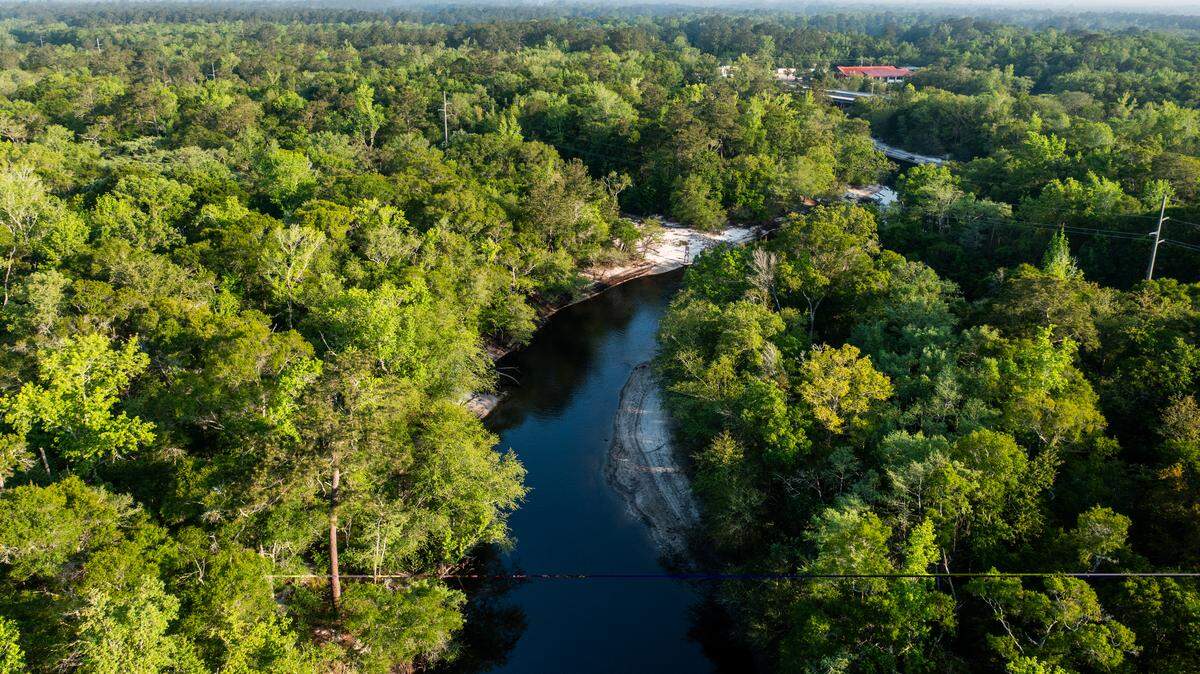
The Nature Conservancy South Carolina acquired over 4,600 acres of land from four former FD Timber properties in Horry County.
The land is planned for future public use through South Carolina Department of Natural Resources’ Heritage Preserve program, pending state approval.
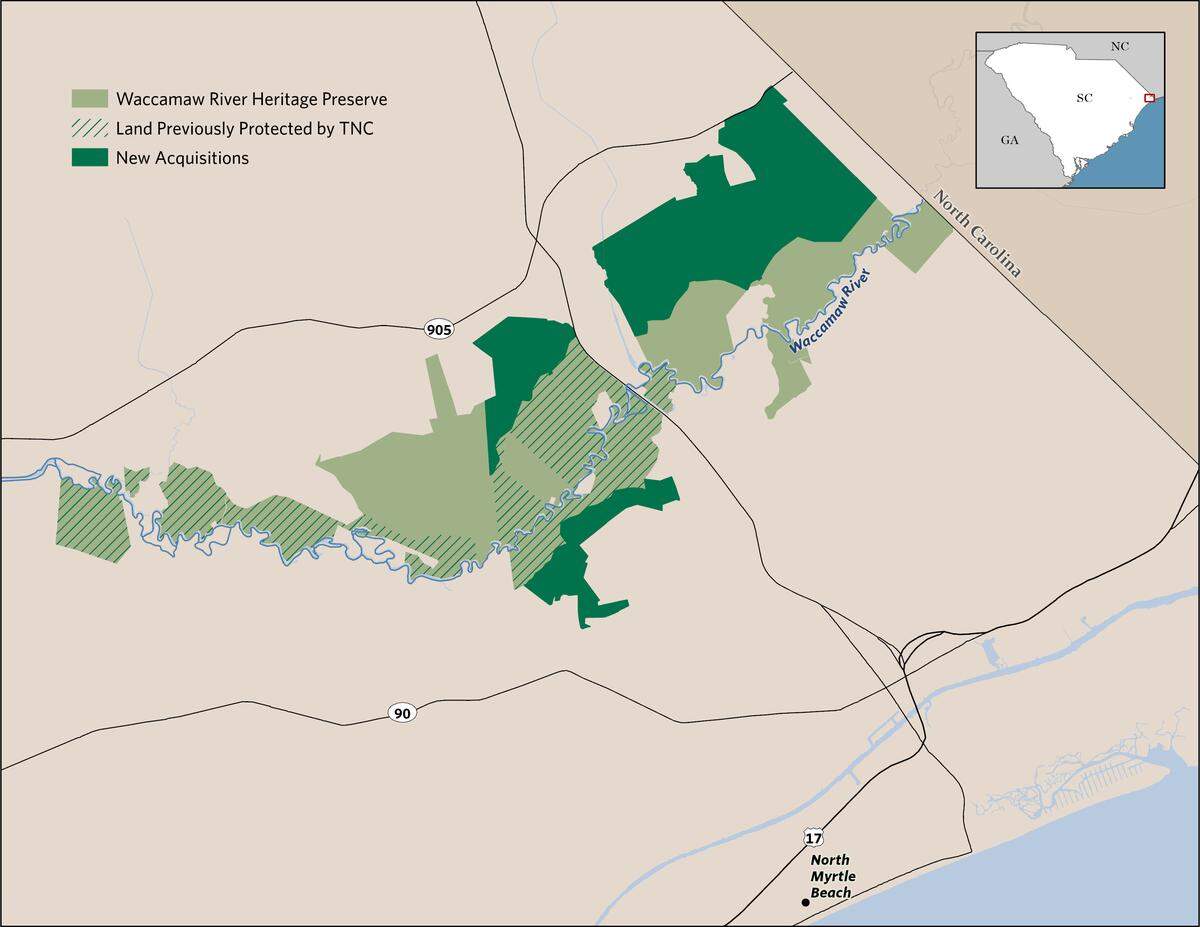
Nestled near the Waccamaw River, three of the properties totaling 4,025 acres are planned to be added to the Waccamaw River Heritage Preserve. The fourth property of 600 acres is planned to combine with the Little Pee Dee Heritage Preserve.
“The four tracts were identified as priority properties in areas that are already adjacent to (SC) Department of Natural Resources’ heritage preserves,” said Katy McWilliams, director of land protection with the Nature Conservancy South Carolina. “They’re lands that were a natural fit to be rolled right into the heritage preserve lands and a natural extension of them.”
The land will be available for hiking, fishing, paddling and hunting as early as February 2027, McWilliams said. SCDNR must follow a state driven process to transfer the land, but McWilliams said it has already gotten through a few hurdles to move the project along. The acquisition was a key preservation project in one of the fastest growing counties in the state.
“I think you often see the desire for preservation at the same time as you’re having growth,“ McWilliams said.
The Nature Conservancy has already protected 3,500 acres of the existing 7,000-acre Waccamaw River Heritage Preserve. The additional three land tracts would increase the preserve’s size by nearly 60% and will help build a forested buffer on both sides of the Waccamaw River, according to a press release.
The fourth land tract is just the start of a future 6,000-acre land acquisition located at Gunter’s Island to adjoin SCDNR’s Little Pee Dee Heritage Preserve. It spans 3.8 miles of creek front along Cold Water Branch, Palmetto Swamp and other streams that feed into the Pee Dee River.
The four properties boast essential wildlife habitat for black bears, migratory songbirds, wood ducks, barred owls, otters and many more animals already observed in the area, McWilliams said.
The land also preserves intact floodplains, which store floodwater and protect downstream communities. A 2020 study funded by the Nature Conservancy South Carolina showed the current floodplains on the Black, Waccamaw and Pee Dee rivers provide nearly $70 million of flood damage protection each year, according to a press release.
Allowing old-growth, bottomland hardwood forests of this size to grow without being cut removes nearly 6,300 metric tons of carbon per year, according to the press release. McWilliams said forested wetlands also help filter and improve water quality, especially in a booming area.
“When you have growth, I think (there is) a need to make sure that we are preserving properties that are important for the people who live in that area,” McWilliams said.
This story was originally published May 7, 2026 at 1:54 PM.