Festival focuses on carnivorous plants. Horry one of few spots in world to see them
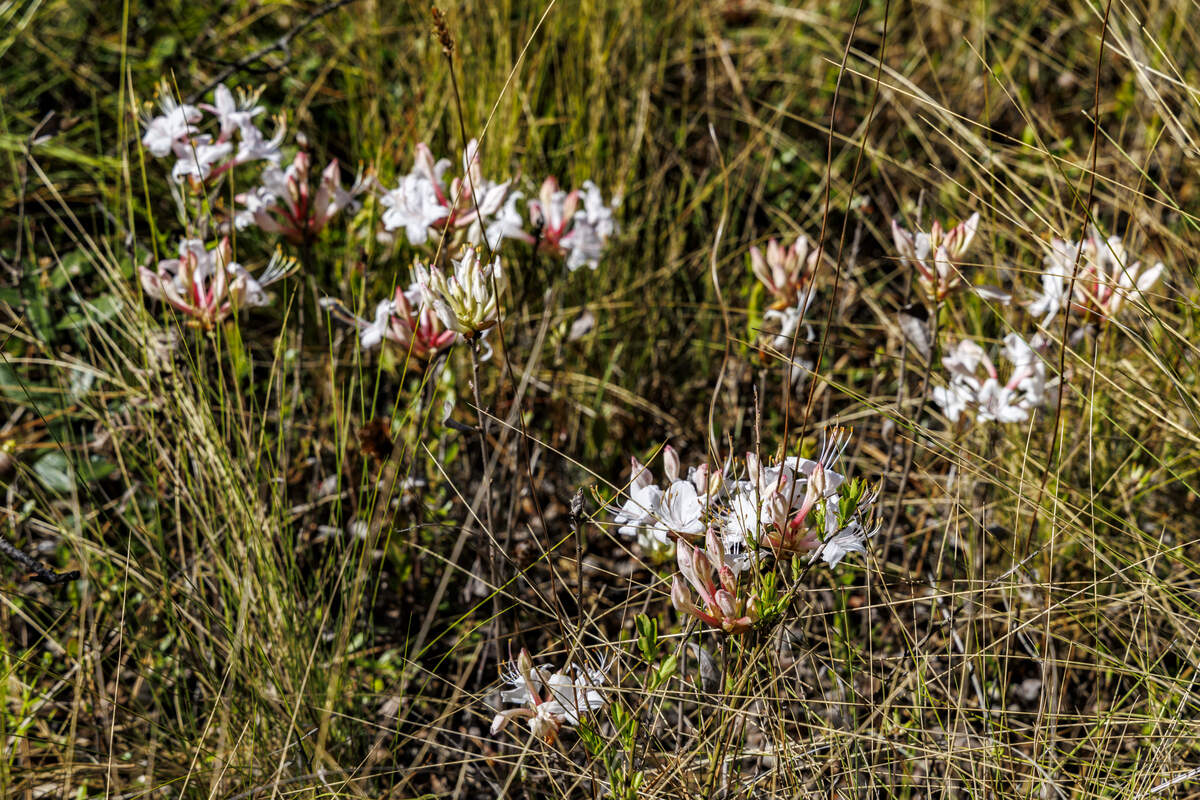
When wandering through the 10,400 acres of the Lewis Ocean Bay Heritage Preserve, you’ll hear the striking call of a Bachman’s Sparrow, see a flapping Palamedes Swallowtail butterfly and smell fragrant blooming Azaleas.
If you’re lucky, you might spot a native Venus Flytrap in the preserve, one of the few places in the world to see the carnivorous plant in the wild.
Wild Venus Flytraps are only found within a 75-mile radius of Wilmington, North Carolina, said Friends of Lewis Ocean Bay Organizer Scott Hartley.
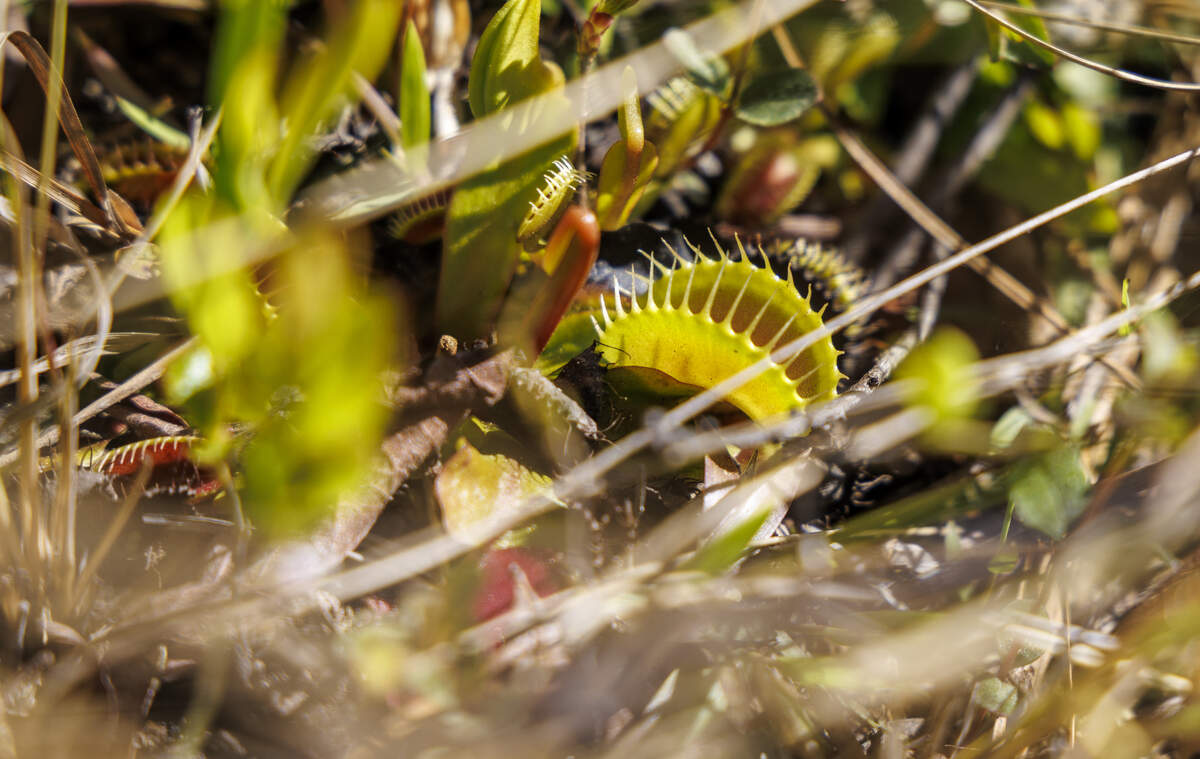
To celebrate the rare species, Friends of Lewis Ocean Bay, a local environmental education group, is hosting its inaugural Flytrap Festival May 7-10. The fest includes a Flytrap social at Bonfire - A Smokin’ Taqueria in Conway, 5K race, conservation fair and a Lewis Ocean Bay tour.
Interested attendees can visit the Friends of Lewis Ocean Bay’s website to register for the events. The 5K, sponsored by Horry County Parks and Recreation, costs $35 to register. All other events are free to attend.
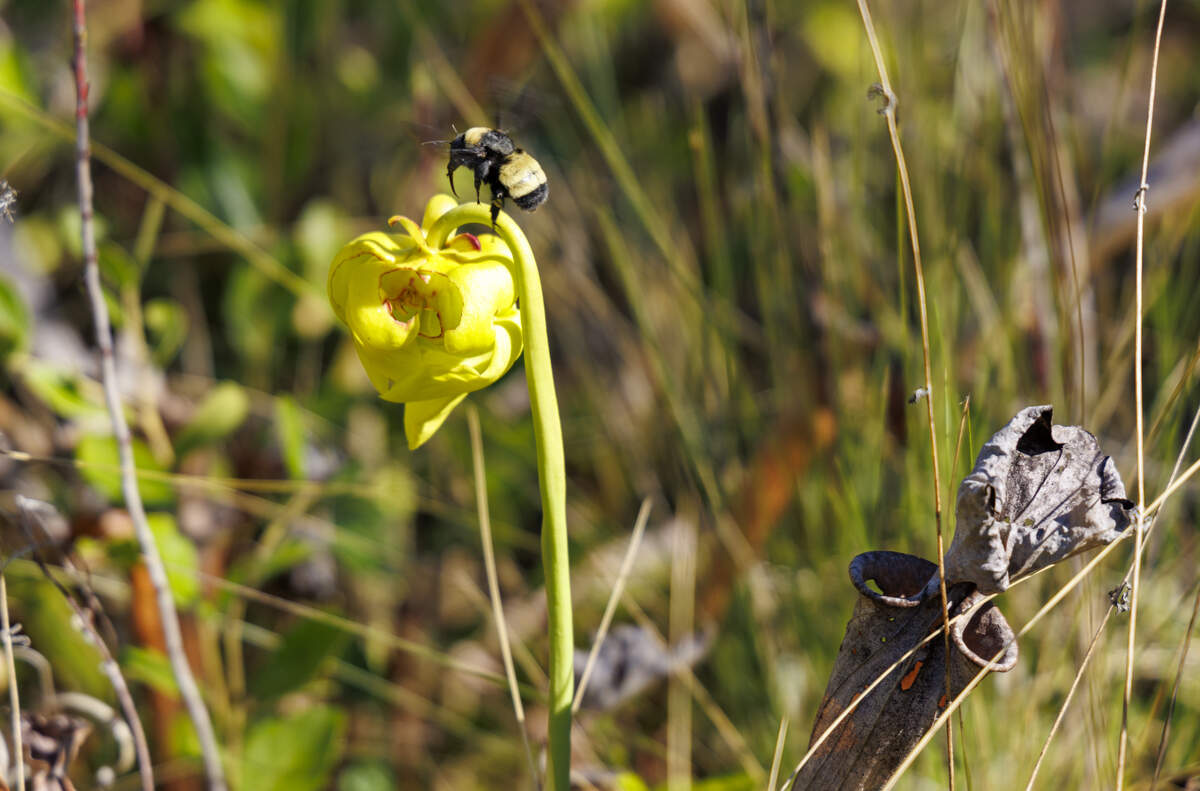
Attendees of the tour will get to see other carnivorous plants located in the preserve, such as Pitcher Plants and Butterworts, along with orchids, protected Bachman’s Sparrows and an array of other wildlife of the Longleaf Pine habitat.
The conservation fair will have a mobile bog garden showing the diverse plants found at the preserve, including some flytraps that were grown, but festival attendees likely won’t tour areas of the preserve with wild flytraps in an effort to keep them protected.
It is against the law to tamper or remove flytraps from the preserve.
“We want to educate so that people appreciate (the Venus Flytraps), but without risking losing the species,” Friends of Lewis Ocean Bay Organizer Sudie Thomas said.
The natural preservation of Lewis Ocean Bay is essential to maintaining rare and threatened species through its continued prescribed burns and wetland protection.
Why do Venus Flytraps need to be protected?
Venus Flytraps were discovered to exist in the Carolinas in the 1750s. Thomas said they were once found in parts of Georgetown and Charleston counties, but they haven’t been found since likely due to development and habitat loss. There are a few known locations of the Flytraps near development sites in Horry County where they are rescued and replanted, but they are primarily found naturally in the undisturbed acreage of the preserve.
Nobody knows exactly why the wild flytraps are only found in this part of the world, but their rarity makes them especially vulnerable to poaching. Humans are their biggest threats through poaching, development and habitat destruction.
Stealing Venus Flytraps in South Carolina is a misdemeanor. But in North Carolina, where they are found in a larger land area, it is a felony. Two people were charged for stealing nearly 600 flytraps in Brunswick County in 2024.
South Carolina Department of Natural Resources Region Four Heritage Preserve Coordinator LeRoy Humphries said poaching in South Carolina still occurs. Lewis Ocean Bay is a SCDNR-managed site and is required to be maintained in its natural state, so impacting any part of the preserve can lead to a fine. In the past, people were ticketed for collecting dry pine needles, Humphries said.
Flytraps are also easily trampled. While stepping on them unknowingly likely won’t hurt them, Humphries said, ATV, dirt bike and vehicle tires can cause serious harm.
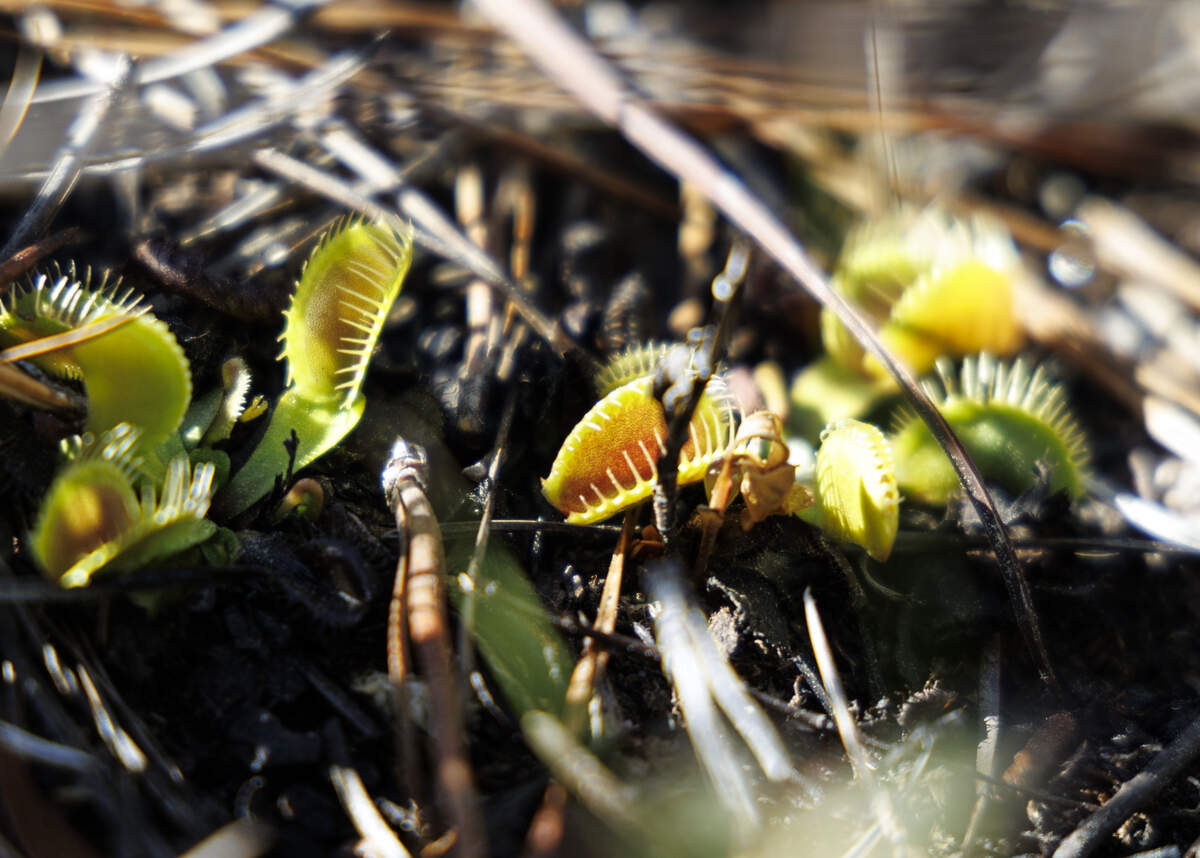
Friends of Lewis Ocean Bay organizers don’t discourage people from finding the wild flytraps on their own, as it’s certainly an accomplishment to find them, but they warn seekers to be careful.
When taking photos of the plants, turn off the location settings. If posted to social media with locations, poachers will find and track them down, Thomas said.
What does it take to keep the population stable?
Venus Flytraps thrive in wet, nutrient-poor soils, and are found within many of the Carolina Bays, which are oval-shaped wetland depressions found from Northern Florida to New Jersey. Lewis Ocean Bay has 23 Carolina Bays, and is the largest intact Longleaf Pine complex in Horry County.
Flytraps especially bloom after prescribed burns managed by South Carolina Department of Natural Resources.
Frequent wildfires caused by lightning once blazed the area and kept the habitats vitalized. Now with such development in the area, the prescribed burns are to mimic the fires while keeping them from encroaching on nearby neighborhoods.
The burns kill the vegetation and brush that shades the flytraps from the sun since they grow so closely to the ground. Only parts of the preserve are burned at a time, with each section burning every three to five years. After a burn and a little bit of rain, areas where they are known to grow will be a carpet of flytraps, Humphries said.
He said the biggest hurdles of conducting prescribed fires are wind and relative humidity. The conditions have to be precise for the burns to transpire. The SCDNR and South Carolina Forestry Commission monitor and track prescribed burns across the entire state.
Prescribed burns are essential to keeping the Venus Flytrap population, and several other species, maintained. Part of the Flytrap Festival aims to educate about the diverse habitat of the preserve and what it takes to keep it healthy.
In 2020, Conway Medical Center proposed to build their hospital adjacent to the heritage preserve. Because of the regular prescribed burns, environmentalists and community members opposed the location. The land was eventually sold to SCDNR, which added the land to the preserve.
The sand mine on Edge Road, also close to the heritage preserve, threatens to lower the water table and dry out the vegetation making it more difficult to conduct burns, Thomas said. If vegetation is too dry, the fire burns too hot and can get below the roots and kill the plant.
“Part of the reason for this education campaign is for people to understand (that) we need fire to preserve this ecosystem,” Thomas said. “It supports all these amazing and endemic plants.”