
Did Santee Cooper increase its peak hours in SC this summer? What’s going on
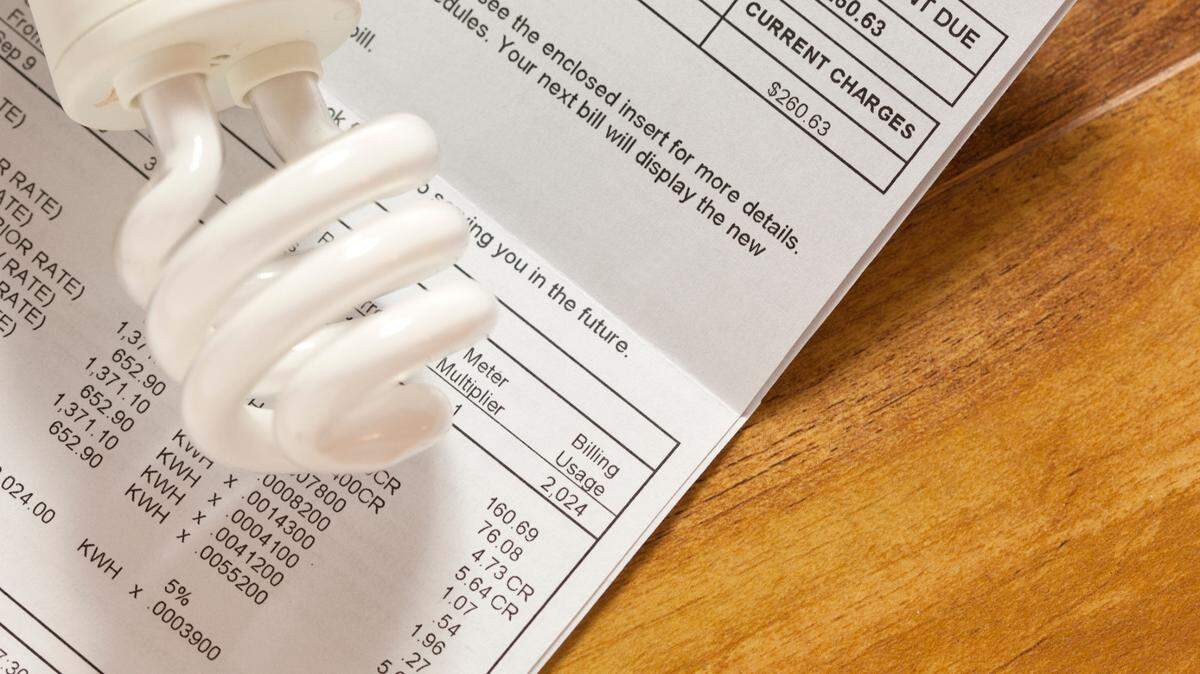
It’s officially spring in Myrtle Beach and, as temperatures rise and spring breakers flood the coast, Santee Cooper customers will soon see a shift in their electric bills – but some are concerned about expanded peak hours.
Ahead of this spring’s switch, some customers took to social media with concerns that the utility provider was expanding its peak window in the summer season.
In the winter months, Santee Cooper operates its peak window between 6 and 9 a.m., but on April 1 the peak window changes to 3 to 6 p.m.
Despite rumors that the provider will operate four-hour peak windows in the summer season from 3 to 7 p.m., no such change is planned.
The confusion stems from Santee Cooper’s commercial peak hours schedule, which has always been 3 to 7 p.m. in the summer season.
According to Santee Cooper public relations specialist Tracy Vreeland, the electric provider recently sent out a bill insert with the commercial schedule on one side and the residential schedule on the other, which may have confused some customers.
How do Santee Cooper’s peak hours work?
Last year, Santee Cooper introduced a new peak-hour rate structure for residential customers.
Within the peak window, the single hour in which a customer uses the most electricity each month will be charged $8 per kilowatt. For the rest of the month, including hours in the peak window that aren’t the single highest-usage, customers are charged a lower rate of $0.0792 per kWh.
To keep bills down, Santee Cooper recommends limiting, delaying and staggering the use of power-sucking appliances like washers, dryers and heaters during peak hours.
“Enough small changes by enough customers will reduce our system peaks and benefit the entire system,” said Marty Watson, senior director of commercial and customer service, in a release. “Customers who shift major energy use to non-peak hours also avoid the higher peak-hour demand charges and save money, while supporting a more reliable and efficient power system.”