
Grand Strand known for seafood. Why are these restaurants serving imported shrimp
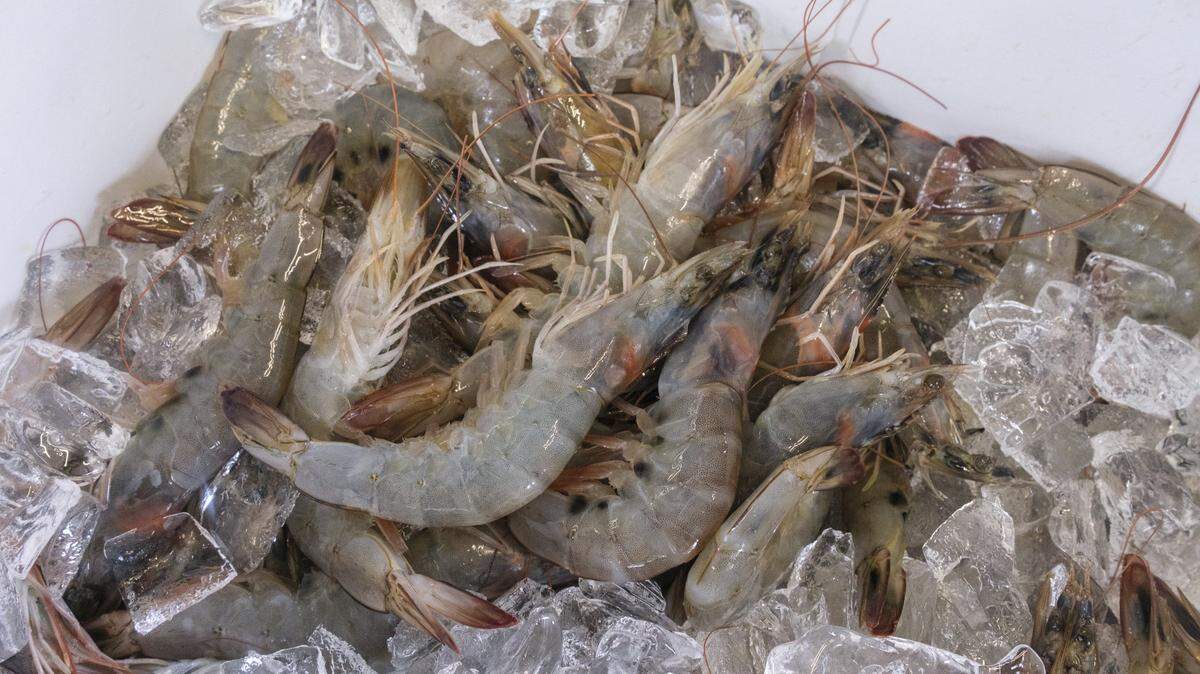
Myrtle Beach has remained a reputable choice for Calabash seafood, and Murrells Inlet is named South Carolina’s “seafood capital,” but a recent report shows that the majority of sampled restaurants along the Grand Strand were confirmed to be serving imported, farmed shrimp.
Out of 44 sampled restaurants, SeaD Consulting’s genetic testing found 33 of them “liable” for serving farm-raised imported shrimp, according to a press release sent Thursday from the testing company.
Fifteen of the 33 acknowledged serving imported shrimp, but the other 18 claimed, or their menus reflected, they were selling American wild-caught shrimp.
Glenda Beasley, spokesperson for SeaD Consulting, said the list of the restaurants serving imported shrimp will not be made public in an effort not to hurt the restaurant, but they are typically reported to regulatory agencies for investigation. South Carolina does not have any laws yet on mandatory disclosure, she said.
Eleven restaurants were confirmed to serve authentic, wild-caught shrimp, including:
Cape Fear Seafood Company, 1386 Highway 17 N, North Myrtle Beach
Chesapeake House (Steaks, Spirits & Seafood), 9918 US 17, Myrtle Beach
Crab Catchers, 4474 Waterfront Ave, Little River
Drunken Jack’s, 4031 US 17 Business, Murrells Inlet
Flying Fish Public Market & Grill, 4744 US 17 S, North Myrtle Beach
Flynn’s Irish Tavern, 421 Main St, North Myrtle Beach
Graham’s Landing, 5225 US 17 Business, Murrells Inlet
Groupers at the Pier, 9700 Kings Road, Myrtle Beach
LuLu’s North Myrtle Beach, 4954 Hwy 17 S, North Myrtle Beach
River City Cafe, 4742 Highway 17 S North Myrtle Beach
Tupelo Honey Southern Kitchen & Bar, 3042 Howard Ave., Myrtle Beach
It appears that most of the restaurants were not aware of the ongoing testing and did not provide comment when contacted.
South Carolina bill would require disclosure
Last week, 77% of sampled Charleston restaurants were reported to serve imported shrimp.
South Carolina House Bill 4248 would require restaurants to include country-of-origin of shrimp on menus.
“Mandatory disclosure and labeling standards enable choice by creating a transparent market that benefits consumers, hardworking shrimping families, and honest restaurants,” Blake Price, director of the Southern Shrimp Alliance, said in a press release.
Five other southern states passed or strengthened laws in the last couple of years to disclose the authenticity of shrimp served in restaurants.
This story was originally published February 24, 2026 at 10:51 AM.