
Can you take home a Civil War cannonball, relics found on SC beaches? What law says
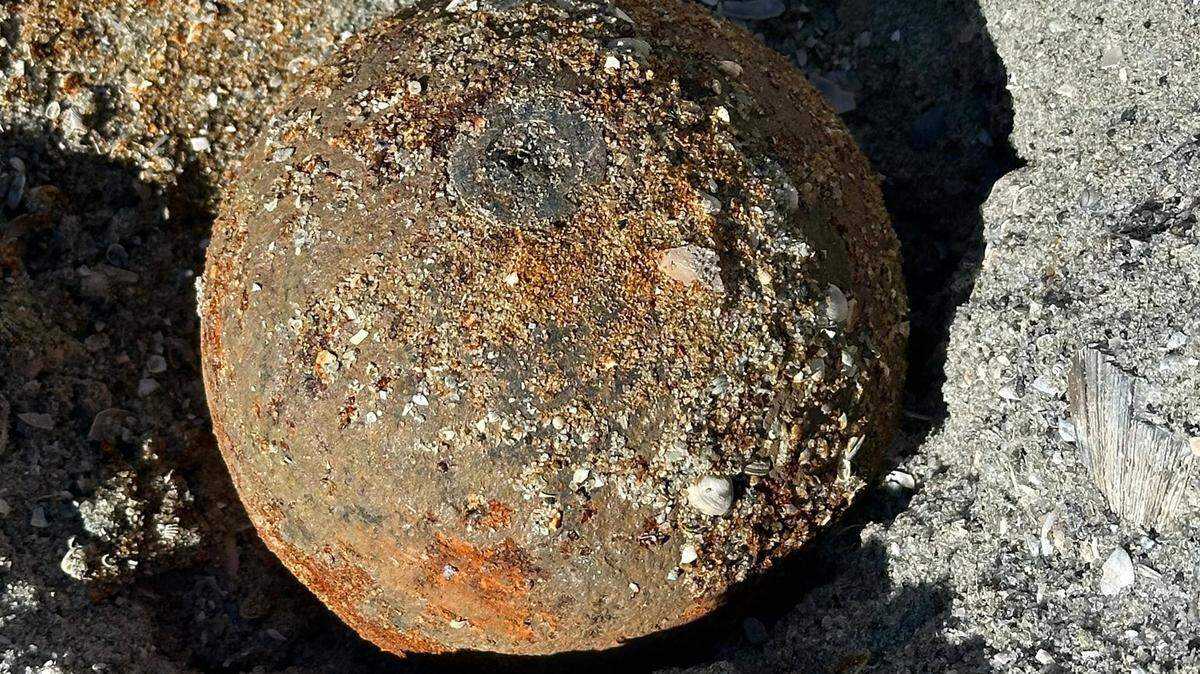
After more than 150 years, a Civil War cannonball turned up in North Myrtle Beach, South Carolina.
But while the couple who found it turned it over to police, are vintage explosives eligible souvenirs?
A couple searching the sand on Feb. 7, 2026, near 48th Avenue South with a metal detector unearthed a truly unusual find, a cannonball which the North Myrtle Beach Police Department believes was brought to the beach in the recent Grand Strand dredging.
Despite its age, the cannonball was still dangerous, according to authorities. NMBPD brought in the Horry County Police Department Bomb Squad, which confirmed the cannonball contained a fuse and was explosive.
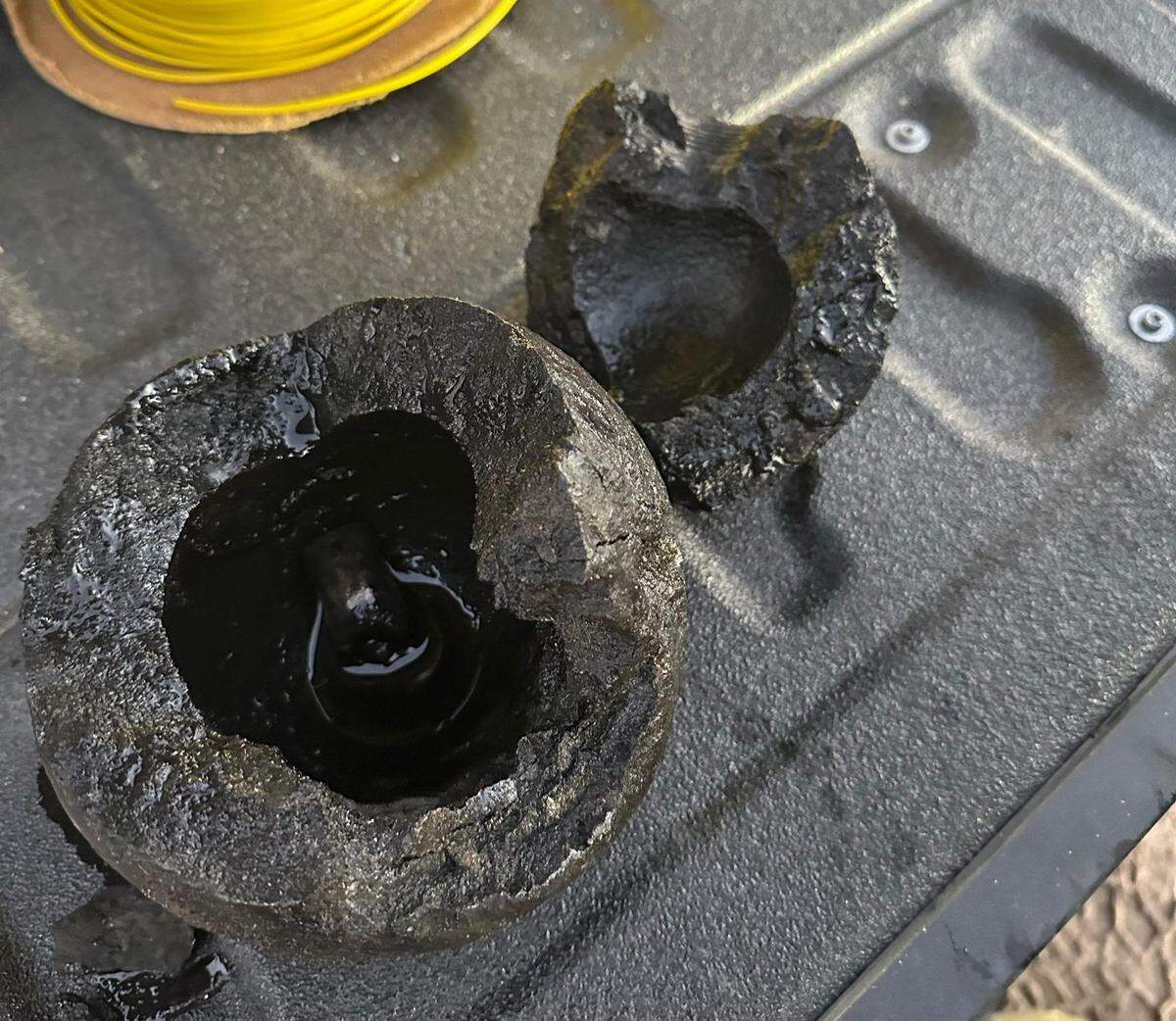
“If you come across something that you think is a cannonball, you should alert authorities,” said NMBPD public information officer Desirae Gostlin. “Some of them are steel balls and won’t potentially explode, but some of them are filled with black powder and can explode, cause great bodily harm or damage to property.”
In the case of the North Myrtle Beach cannonball, the bomb squad detonated it at a secondary location.
But did the metal-detecting couple have to hand over the historic cannonball? Legally speaking, yes.
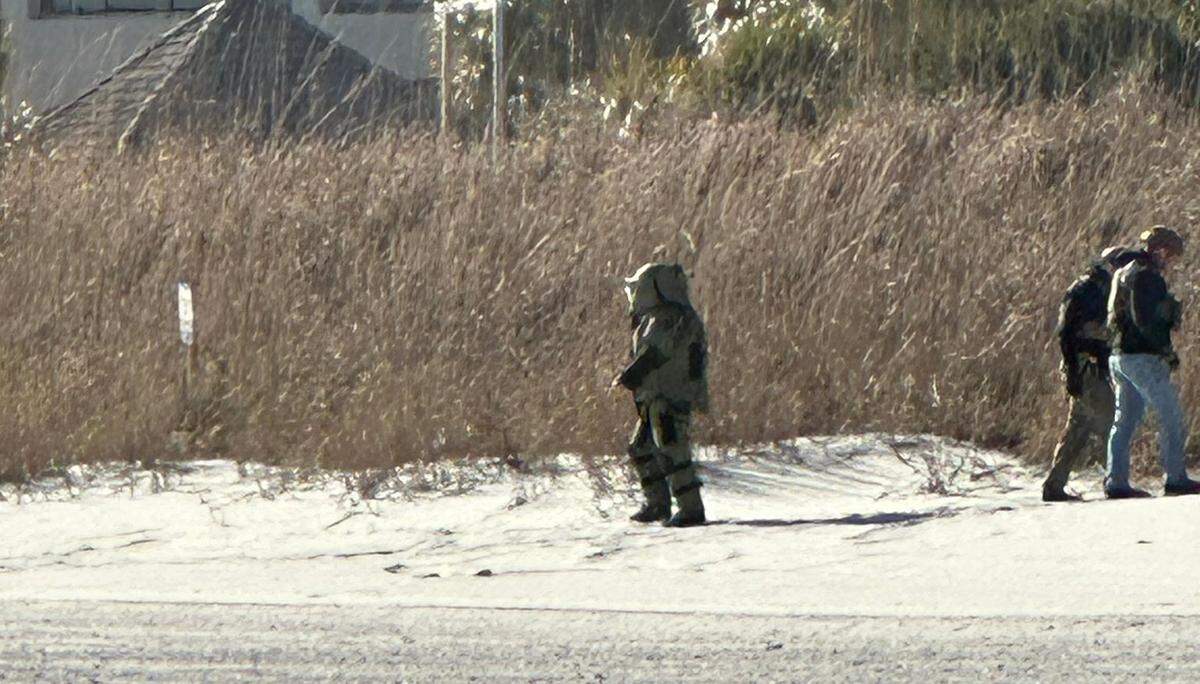
“It actually is illegal in South Carolina to possess an explosive device without the proper permits, so anybody who finds anything on the beach that they think is unsafe or dangerous, or possibly a cannonball or anything like that, they definitely should call 911,” Gostlin said.
Metal detecting regulations
Treasure hunters are generally permitted to use metal detectors on beaches, but looking for loot doesn’t override laws prohibiting trampling beach grass or sea oats, going on dunes and digging holes deeper than two feet. It’s also important to remember beach etiquette by watching for others and filling holes before leaving the beach.
Although metal detecting is permitted on city beaches, it’s not allowed in state parks.