Did police give evidence to Scott Spivey’s shooter? What Horry Police texts show
Text messages between Horry County Police officers reveal details about how evidence in the deadly shooting of a North Carolina man may have been shared.
The Sun News received text messages through a Freedom of Information Act request between detectives and officers who were either part of the investigation or on the scene the night of the shooting of Scott Spivey on Sept. 9, 2023, and the days following.
Spivey was shot and killed in a hail of gunfire on the side of Camp Swamp Road off of Highway 9 in the Longs area. The shooters were Weldon Boyd, owner of Buoys on the Boulevard in North Myrtle Beach, and his friend, Kenneth “Bradley” Williams.
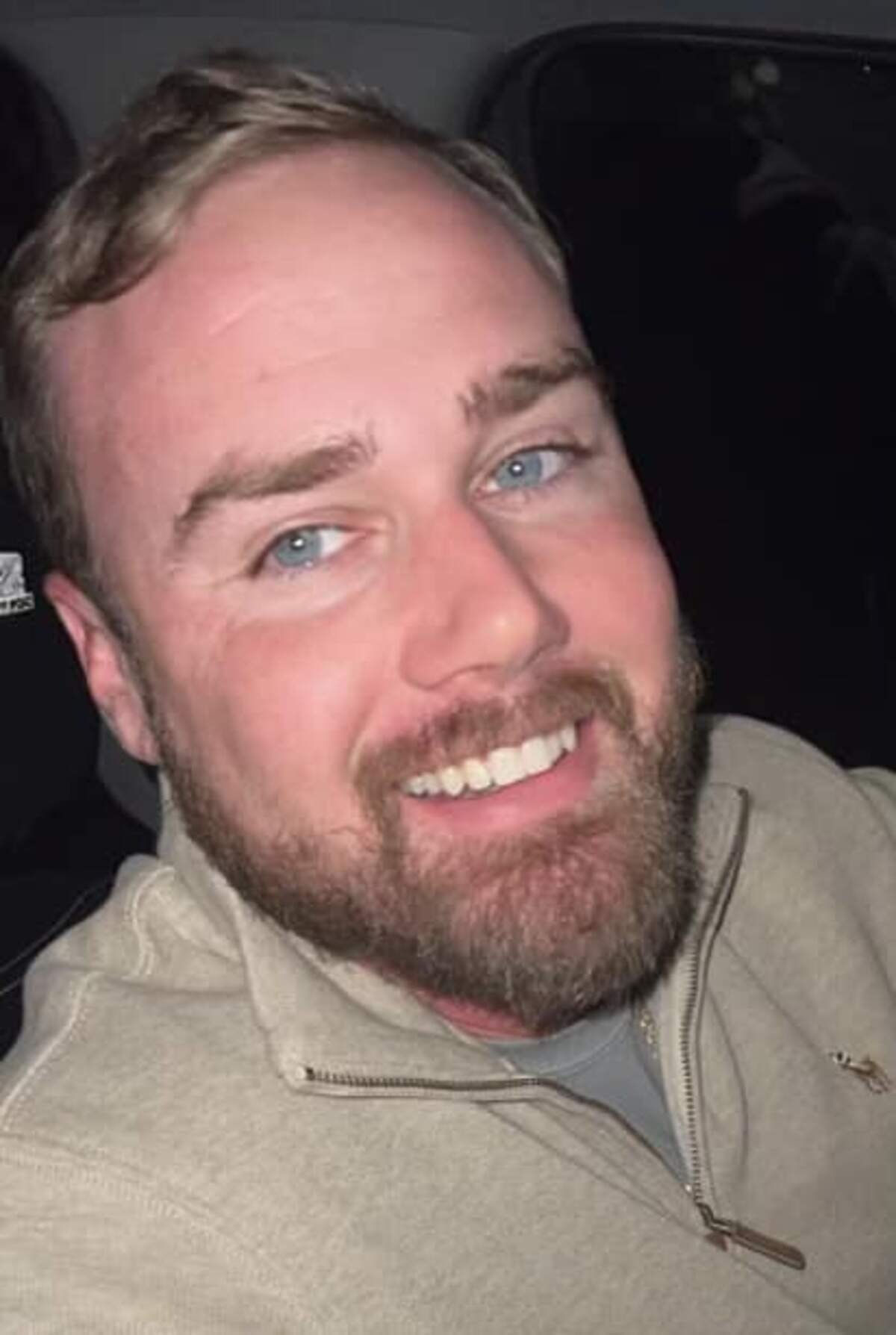
Neither man has been charged in the shooting, and the case has been ruled self-defense.
However, a wrongful death lawsuit filed by Spivey’s family against the two men uncovered documents and audio recordings that have led to alleged corruption by the Horry County Police Department in investigating the case. Several high-ranking officers lost their jobs, a SLED investigation was also opened into police actions and letters from the county council and local state legislators were sent asking Gov. Henry McMaster to consider reopening the case.
When did top criminal investigator know about shooting?
A message sent at 6:38 p.m. on Sept. 9, 2023, in a group text titled “Chiefs CID,” an HCPD Criminal Investigations Department, alerted Deputy Chief Brandon Strickland; Chief Joseph Hill; Deputy Chief Kris Leonhardt, who is now chief after Hill’s retirement; and Deputy Police Chief Lance Winburn about CID responding to a “homicide at Highway 9 and Camp Swamp Road. Two individuals exchanged gunfire. One deceased. Other still on the scene.”
.jpeg "Screenshot (601).jpeg")
Strickland responded “OK” to the text. However, just 7 minutes earlier that same night, Strickland had received a panicked phone call from Boyd, one of the shooters, asking him to come to the scene to help him. The shooting happened at 6:04 p.m., police said.
The call was part of more than 90 audio recordings from Boyd’s phone that were given to Spivey’s family in their 2024 civil lawsuit. The recordings showed that Boyd had friendships with many HCPD officers, including a close companionship with Strickland.
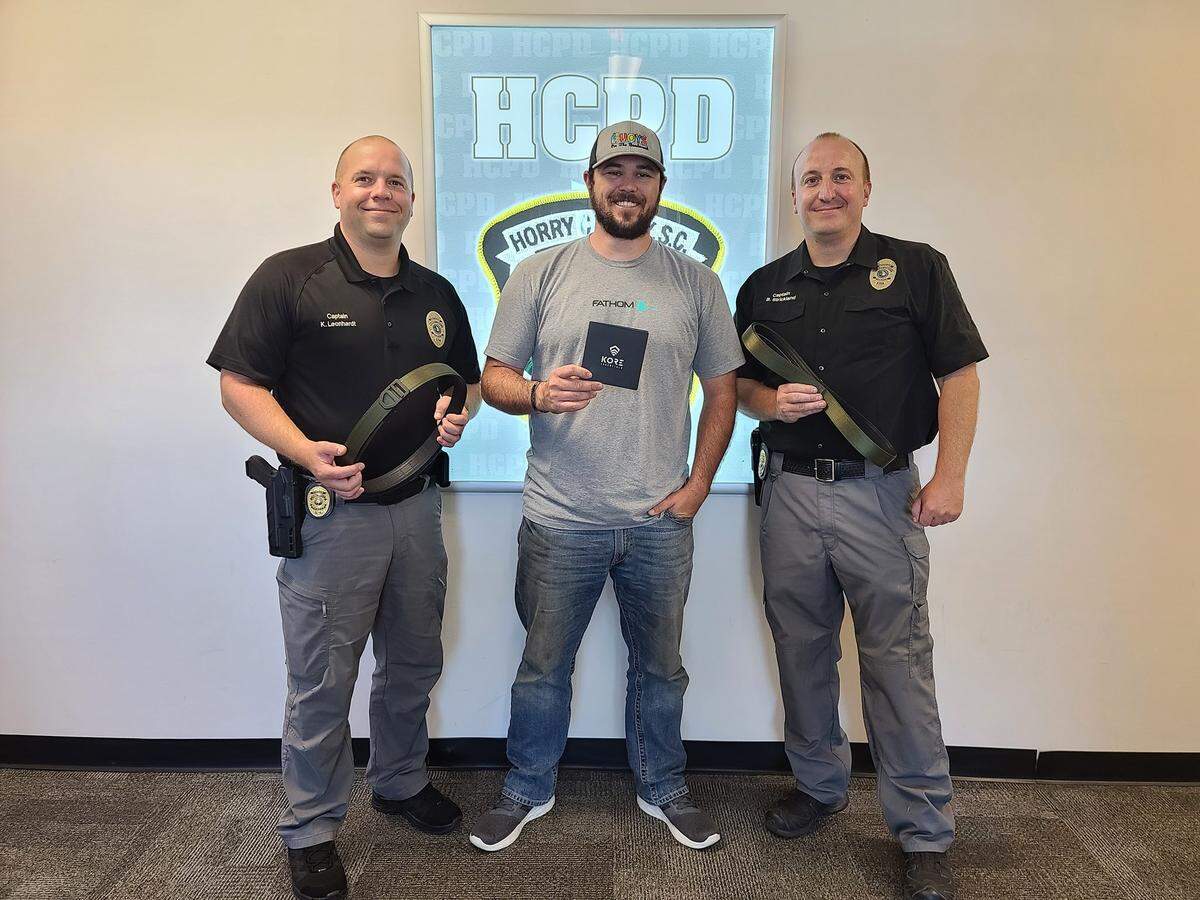
Strickland, who was deputy chief of the administration bureau, which included the Criminal Investigations unit, can be heard in the recordings telling Boyd that he is handpicking officers to send to the scene, appearing to potentially use his position to protect Boyd.
Strickland resigned on March 11, 2025, after being informed of an internal investigation regarding policy violations, according to a separation document filed by the department with the South Carolina Criminal Justice Academy. Strickland is also under criminal investigation by the South Carolina Law Enforcement Division regarding his conduct during the investigation of Spivey’s death.
Was Weldon Boyd provided evidence by police?
One of Strickland’s handpicked officers sent to investigate the shooting was Det. Alan Jones. Jones sent a message on Sept. 11, 2023, to the HCPD Homicide text group with what appears to be a video at a business. The video and photos were taken from Spivey’s phone.
Jones asked the group what bar the photo showed. It was later identified as Boardwalk Billy’s in North Myrtle Beach, where Spivey went to eat and have drinks hours before he drove home and was killed in the shooting.
.jpeg "Screenshot (600).jpeg")
During phone calls with his mom, dad, and Williams, the business owner discusses evidence and information about the case that was shared with him and his attorney, Ken Moss, by HCPD detectives. Boyd can be heard talking about Spivey being at Boardwalk Billy’s, his alcohol consumption and whether a tox screen would be done on the 33-year-old to try and show that he may have been on drugs.
Boyd also talks about the number of shell casings found in Spivey’s truck.
.JPG "MYB_SpiveyInt-12 (1).JPG")
Some of that evidence is revealed in the text messages between officers involved in the case.
At one point, Boyd can be heard in a phone conversation with his parents, “We know more than the family knows,” adding that he is privy to the information because of his relationship with the police department.
Moss said by email that he doesn’t discuss pending litigation, “That said, I do not recall any information being provided to me by HCPD until we finally received FOIA and subpoena responses. From Mr. Boyd and my perspectives, it was very difficult to obtain documentary information from HCPD.”
When asked whether Boyd was provided any evidence or information was shared with him by officers or detectives involved with the investigation, Horry County spokesperson Mikayla Moskov said by text, “We would not have anything additional to provide at this time.”
Moskov said that the SLED investigation and the internal investigation regarding the case is still ongoing.
A message inquiring whether the criminal investigation into the actions of HCPD officers was complete was not immediately returned.
Boyd and Williams claim that Spivey ran them off the road, waved a gun out his window and pointed it at them as they were driving. Boyd followed Spivey for 9 miles along Highway 9, calling 911 to report the incident and telling a dispatcher, “I’ve got a guy pointing a gun at me driving. We’re armed as well. He keeps throwing the gun in our faces, acting like he’s about to shoot us. If he keeps this up, I am going to shoot him. ... Listen, if he shoots at me, we’re going to put him down.”
What’s next in case?
Spivey’s family claims that the investigation was not conducted correctly and that Boyd’s connections within the Horry County Police Department and government influenced the outcome of the case.
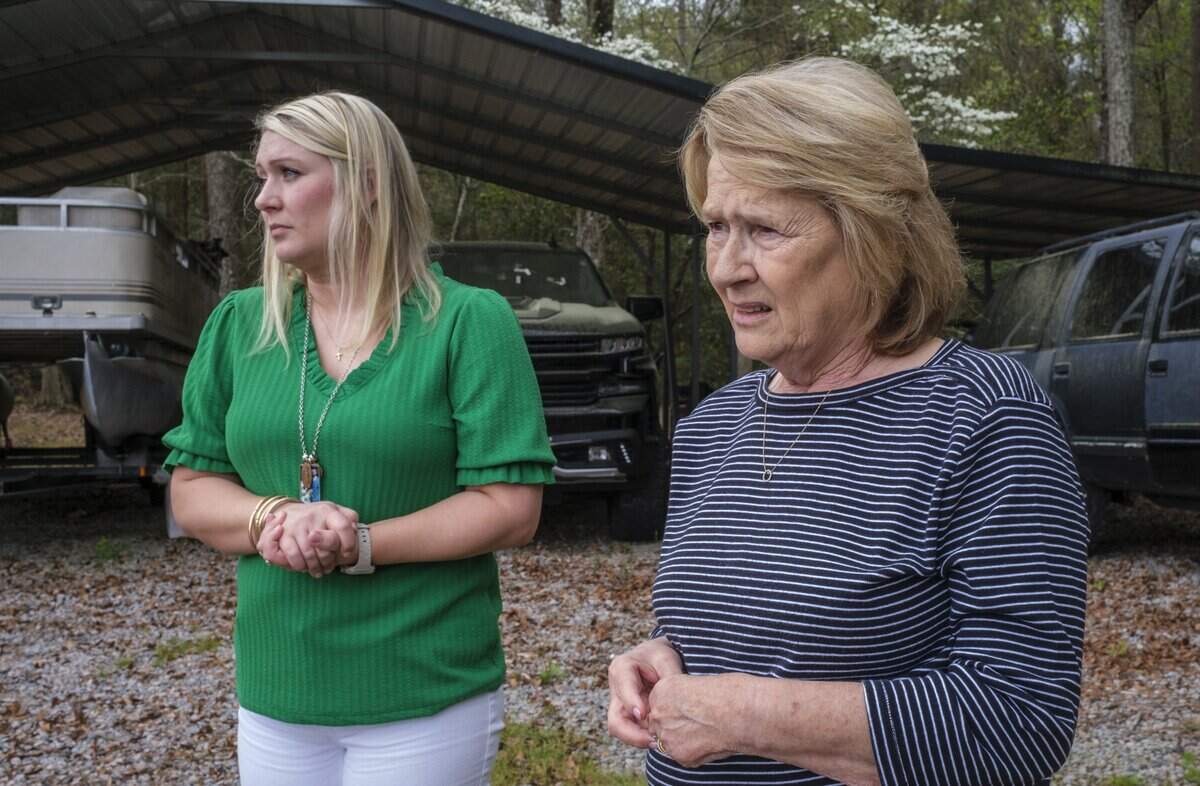
The family has pushed for answers in Spivey’s death, refusing to accept that the shooting was in self-defense. The case was ruled such as part of South Carolina’s “Stand Your Ground” law.
A Stand Your Ground hearing could be scheduled soon in the family’s civil case that would determine if Boyd and Williams are entitled to civil and criminal immunity related to their actions during the shooting.
The law, which most states have in some form, allows people to use force, including deadly force, to protect themselves against a perceived threat. South Carolina’s law explicitly eliminates the duty to retreat when a person is in a place where they have a right to be.