
These biting bugs are out in force in Myrtle Beach. Here’s how to avoid them on your SC beach day
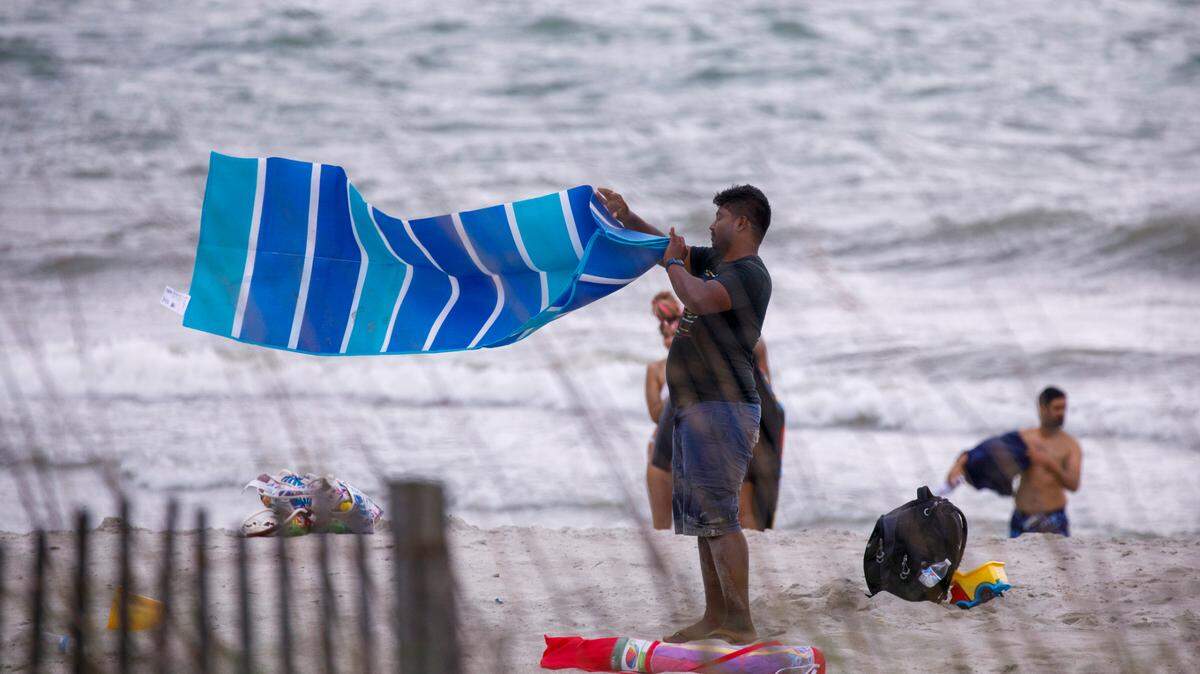
Grand Strand Beaches are cooler and less crowded now that the summer season has passed, but beachgoers lying out on the sand this fall might encounter some unwelcome companions.
Biting bugs are common along the shore in the Myrtle Beach area and their itchy, stinging bites can bring down a beach day.
“We have an array of different biting insects that associate with wetland habitats, and because our beaches are close to salt marshes and wetlands, there are some insects that will kind of drift and work their way over towards the beaches,” said Clemson University extension entomologist Ben Powell.
Here’s what beachgoers should know about the insects that bite on Grand Strand beaches.
Which bugs bite on the Myrtle Beach shore?
There are three main culprits that bite beachgoers around the Grand Strand: no-see-ums, biting flies and mosquitos.
No-see-ums
Biting midges, which locals often call no-see-ums or sand flies for their tiny size and beach habitats, are small biting flies that are common around salt marshes. No-see-ums are crepuscular, meaning they’re typically most active around dawn and dusk.
“The biting midges don’t fly very well,” said Powell. “They’re not very strong flyers, so they tend to be most active on really calm, moderately cool days, so if it’s in the 70s [degrees Fahrenheit] and there’s not much wind, then there’s a good chance that the no-see-ums will be out.”
Biting flies
Larger biting flies, typically horse flies and stable flies, are also known to plague Grand Strand beaches. These flies are larger, stronger and more painful than no-see-ums.
“Horse flies and stable flies are very strong flyers. They actually are active even when it’s breezy outside,” Powell said. “You could tell it’s them because they’re large enough to be able to identify easily, and their fight is quite painful.”
Mosquitos
A scourge across the South, mosquitos are found throughout wetlands and urban habitats. Like no-see-ums, mosquitos prefer the cooler morning and evening temperatures.
Beyond natural bodies of fresh water, bird baths, buckets and other containers that fill with water around beachfront developments make for easy mosquito breeding grounds. When tropical storms and king tides strike the Myrtle Beach area in the fall, they can bring mosquito population bumps.
Where are beach bugs most common around Myrtle Beach?
Biting bugs can be a bigger nuisance on saltwater beaches where nearby freshwater contributes to the presence of pests. The Grand Strand is full of wetlands, natural inlets and planned swashes, all of which can be inviting habitats for biting beach bugs.
“Most of these things reproduce in freshwater wetlands or brackish wetlands,” said Powell. “If you’re at a beach where you’re near an inlet or a swash, then you’re more likely to encounter some of these biting insects because they’re reproducing up where there’s more fresh water.”
Beachgoers worried about insect bites might want to set up their beach blanket away from swashes and steer clear of estuaries and marshy habitats.
How can beachgoers protect themselves from bug bites?
Bites from beach bugs can be irritating, itchy and downright painful. Fortunately, Powell says there are two easy and affordable ways beach visitors can protect themselves: chemicals and clothes.
“The best repellent is long clothing,” Powell said. Particularly in the mornings and evenings, when no-see-ums and mosquitos are most active, covering up can be the most effective protection. But common chemical repellents can also be good options.
Beachgoers should look for insect repellents containing DEET to keep biting insects away on their beach day. For no-see-ums, specifically, Powell recommends using Skin So Soft oil to ward off the tiny flies.
Are biting beach bugs dangerous?
While mosquitos can transmit diseases to humans, biting flies and no-see-ums pose little threat beyond irritation. If a person gets a fever or hives after being bitten, or the bite gets especially hot, red or swollen, it could be a sign of infection and should be checked by a doctor.
However, in most cases beach bug bites heal normally. Myrtle Beach’s biting bugs can be a nuisance, but aren’t much of a danger to the beach’s human visitors.
“The threats there are minimal, and they are a part of nature,” said Powell. “They’re not out to destroy us. They’re just part of the system.”
This story was originally published September 19, 2025 at 6:00 AM.