Seeing fewer seagulls in Myrtle Beach? It could be part of a larger trend
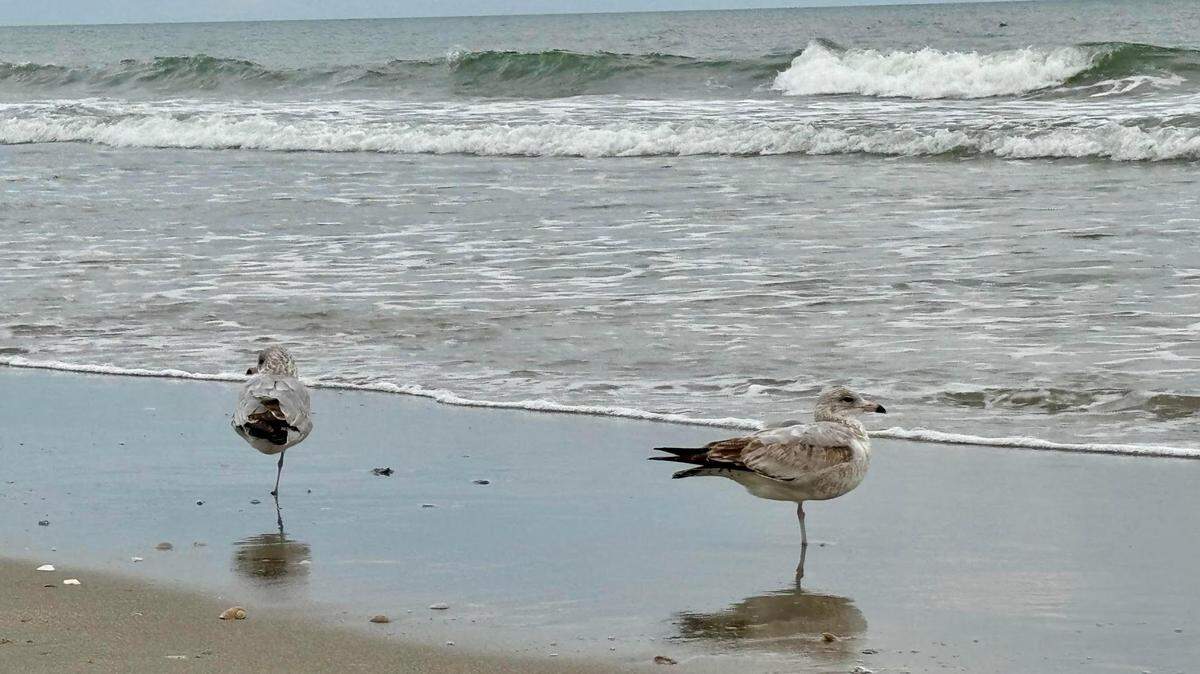
As visitors return to Myrtle Beach year after year for their summer vacations, they may notice a startling trend on the beaches — the seagulls seem to be disappearing.
The seabirds are sometimes seen as a nuisance for their loud cries and the way they swarm beach picnics, attempting to steal food. But in recent years, visitors and locals alike have been taking to online platforms to ask the same question: where have they all gone?
The impacts of large storms like Hurricane Erin could play a role in the birds’ declining presence on the beach, but their smaller numbers appear to be part of a broader trend.
Seabirds in decline
“Seagulls” is not an official species of bird, but a term used to refer to several kinds of seabird, like laughing gulls, herring gulls and ring-billed gulls. Sometimes, the term also refers to birds known as terns. In general, their numbers are in decline, along with other seabird populations, according to the 2025 U.S. State of the Birds Report.
That decline has been steep, and it hasn’t been specific to South Carolina. Studies in Alaska and Hawaii show that seabird populations have gone down 55% to 95% in recent decades, according to the report. Nearly all North American seabirds, including gulls, showed “steep declines” between 2021 and 2022.
Factors contributing to this decline include habitat disruptions like rising seas and heatwaves, plastic pollution, habitat loss from development, predation by invasive species and more, the report says.
Do hurricanes impact seabird populations?
Storms like Hurricane Erin and other, more severe local weather events can also contribute to declining seabird populations. Observations suggest that seabirds tend to shelter in place and reduce foraging activity when a storm approaches, which can lead to fewer bird sightings on beaches, according to Camille Duquet, a biologist with the South Carolina Department of Natural Resources’ Coastal Bird Program.
Storms can also cause storm surge and unusually high tides which impact seabird nests, Duquet said. Seabirds typically nest in shallow depressions in the sand called “scrapes,” which can be flooded or destroyed by incoming water during weather events, according to Duquet.
Protected nesting colonies and marine foraging areas can provide refuge to these birds during extreme storm events, the State of the Birds Report states.
How you can help
Every beachgoer in the Myrtle Beach area can do their part to keep seagulls and other seabirds on the beaches.
Beach visitors should not feed birds or leave trash at the beach. Seabirds are healthiest when they eat their naturally obtained food, according to SCDNR. Feeding them can attract more gulls, crows and other opportunistic feeders, according to SCDNR. These birds can become a threat to other birds by preying on their eggs and chicks.
Visitors should also give birds space to rest and feed. Chasing or scaring them into flight can cause them to waste energy needed for migrating or raising young, SCDNR says.
Leaving dogs at home when going to the beach can also help preserve seabird species, as dogs look like predators and often scare birds away, leaving their eggs and young vulnerable, according to SCDNR.
While walking on the beach during spring and summer, beach visitors are encouraged to walk below the high tide “wrack line,” where birds do not nest, to avoid stepping on their eggs.