Why a Myrtle Beach area living museum of Black farm families changing hands
O’Neal Smalls has made it his mission to preserve the history of Black farmers in the Myrtle Beach area.
Smalls operates and maintains in the Burgess community Freewoods Farm, believed to be the only Black living history farm museum in the country.
But now, after 25 years, the 82-year-old is turning over control to the 1890 Research and Extension program at South Carolina State University. The program focuses on education, research, and community and economic development, including for small and family farms.
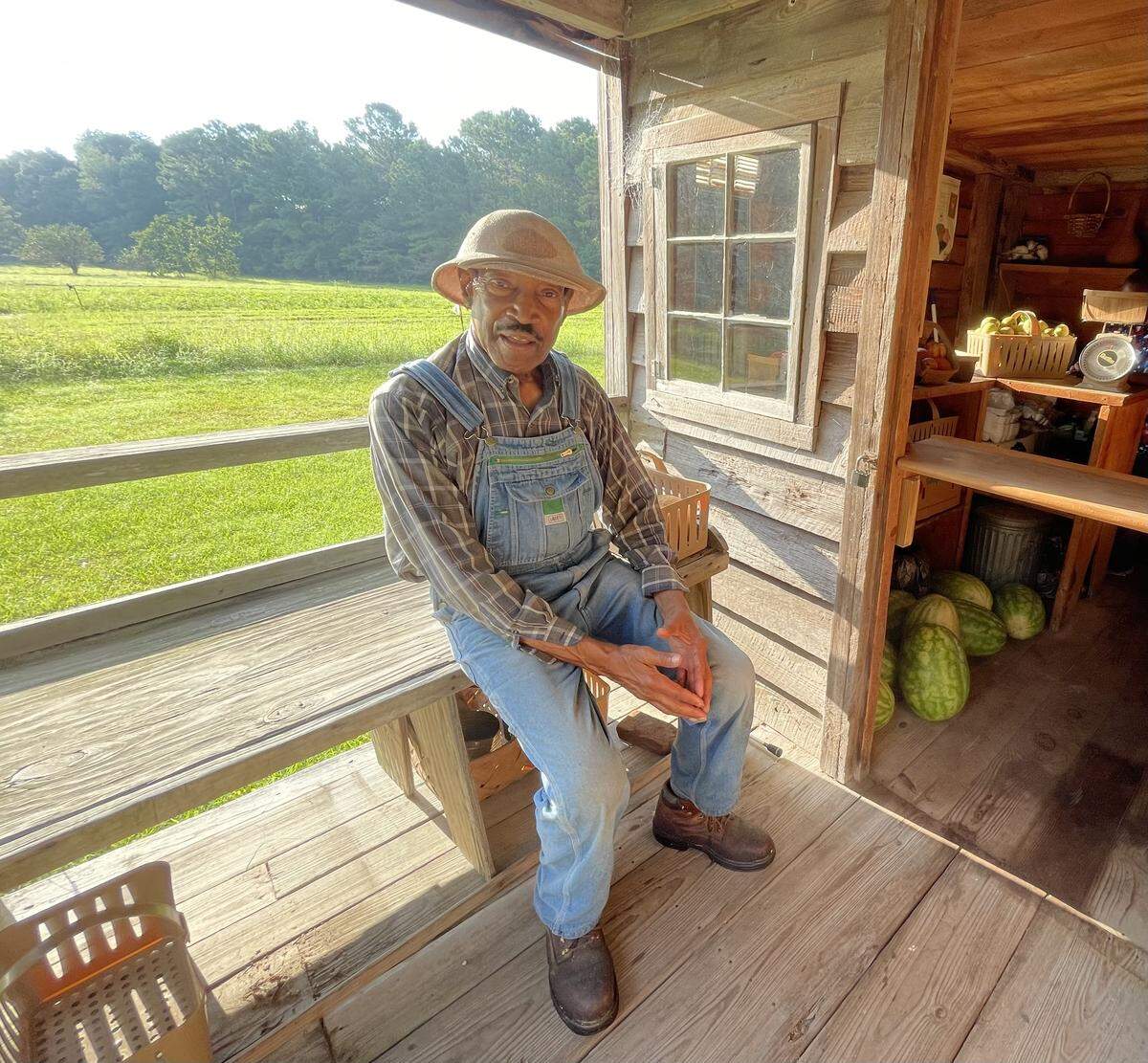
The program will take over by the end of the year and Smalls said he will slowly “recede into the background,” he said.
It is unclear what the program will do with the farm and whether changes will be made.
Elizabeth Mosely-Hawkins, senior director of strategic communications at SC State University, said by email that the university is not “quite ready” to share details about their plans for the farm.
“I can tell you that we are taking steps to ensure the farm remains centered on strengthening our support to South Carolina farmers and advancing agriculture in the state of South Carolina - as with all our mission-focused programs,” Mosely-Hawkins said.
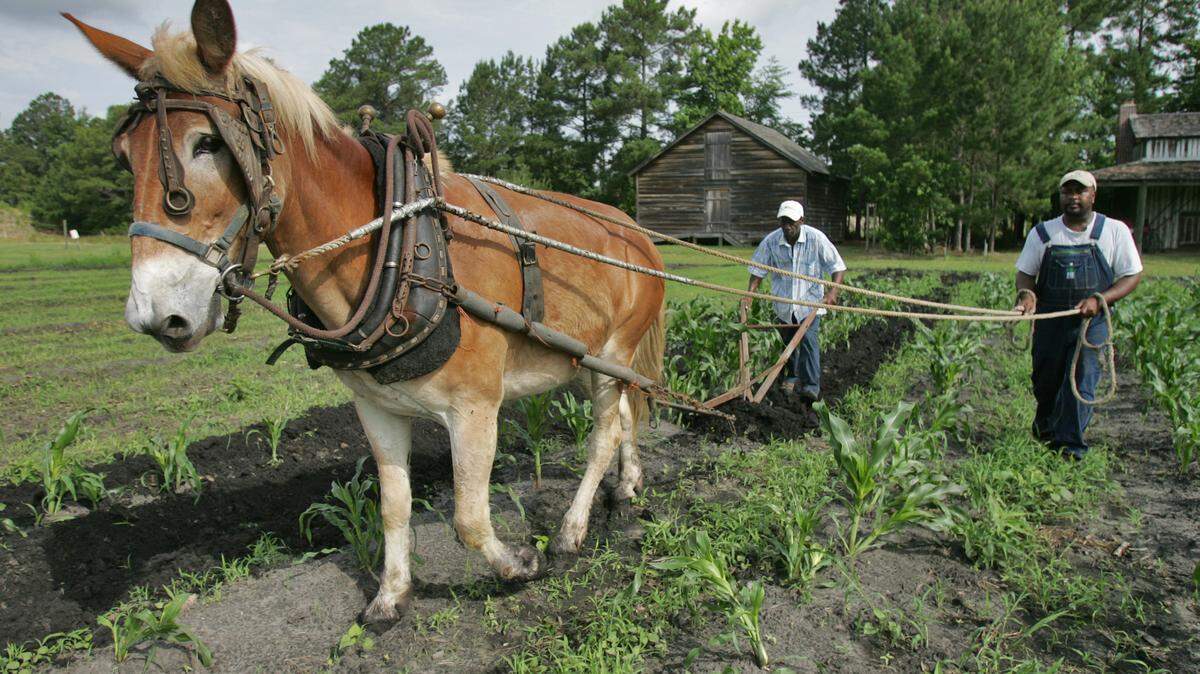
The working farm, located at 9515 Freewoods Road near Socastee, is 40 acres and shows practices that were common to Black farms from the turn of the 20th century to 1950s.
“We have 40 acres and a mule,” Smalls said. “We tell the story of what Black people did during the first century of freedom.”
The phrase “40 acres and a mule” came from compensation – 40 acres of land and a mule to plow it – that was to be awarded to freed Black slaves after the Civil War, but was instead returned to former landowners. The land was divided up to Black families living near South Carolina, Georgia and Florida coasts.
Smalls’ great-grandfather was a slave on the Longwood Plantation in Murrells Inlet, he said. After the Emancipation Proclamation, the Burgess and Freewoods areas near Myrtle Beach became home to many Black farming families who owned their land and passed it down through generations.
After Smalls retired as a University of South Carolina law professor, he returned to the farming community where he grew up. In 2000, he became the president of the Freewoods Foundation, with a goal of sharing the farm and the Black farming community’s story.
“It’s truly a remarkable story,” Smalls said of the struggles of freed Black slaves after the Civil War.
Smalls, as well as volunteers, grows such crops as potatoes, peanuts, watermelons, string beans, cotton and sugar cane, which is used to make syrup each November, and is available to purchase at the farmers market.
The farm is open year round to visitors.