
The tourist’s guide to visiting Myrtle Beach in hurricane season
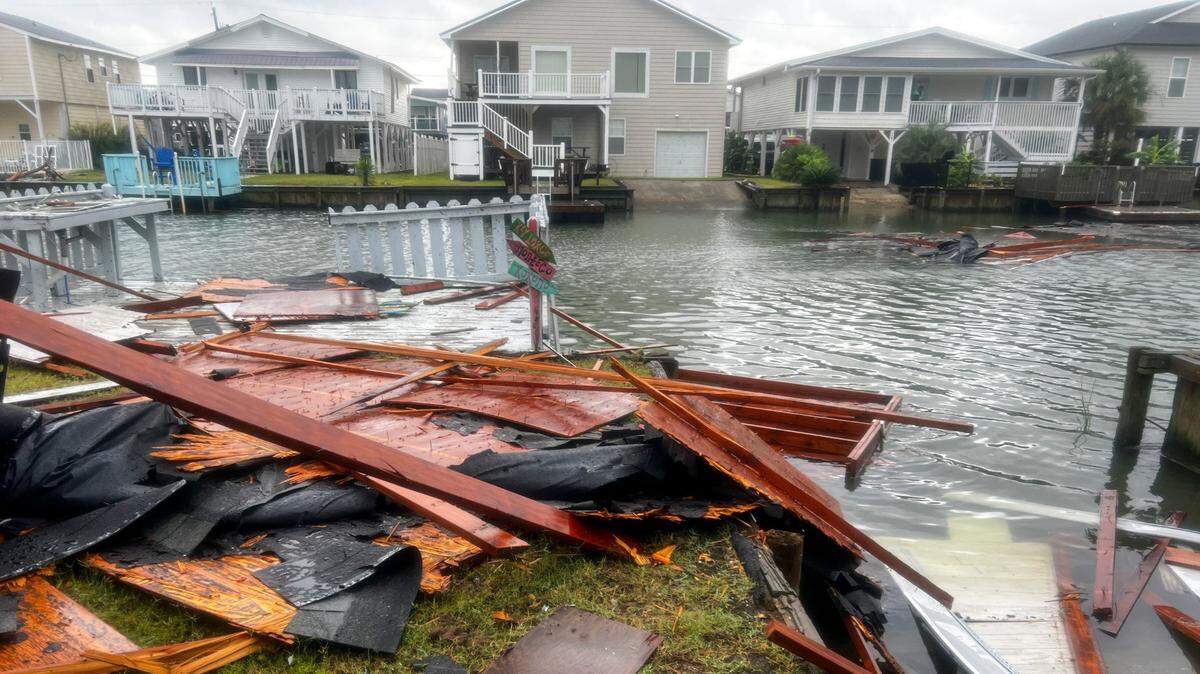
Hurricane season is ramping up around the Grand Strand, but tourist season in the Myrtle Beach area is still going strong.
August through October is the busiest time for tropical storms and hurricanes around South Carolina and, for visitors enjoying the last of summer or ushering in the fall at the beach, that vacation might bring some unwanted weather.
An extreme weather warning or watch doesn’t always mean you have to cancel your beach trip, but it’s important to be prepared. If you’re not from the area, here’s what you should pack, prepare and plan for a trip to Myrtle Beach in hurricane season.
Emergency hurricane planning
If a hurricane or tropical storm might impact the area while you’re visiting the Grand Strand, it’s essential to have an emergency plan.
Make sure everyone you’re traveling with has one another’s emergency contact information and knows your evacuation plan. The South Carolina Emergency Management Division (SCEMD) Know Your Zone initiative identifies specific, location-based evacuation zones for coastal areas.
“In South Carolina, it’s crucial to be aware of your designated hurricane evacuation zone and the routes available to you,” said SCEMD Chief of Public Information and External Affairs Tiffanie Barrett.
Coastal areas around the Grand Strand are in zones A, B or C. To find out if your accommodations are included, enter the address on the Know Your Zone webpage.
Although storm conditions can change evacuation plans, it’s a good idea to learn your designated evacuation route on the South Carolina Hurricane Guide Website.
“These routes are equipped with signage to guide drivers during evacuations,” Barrett said. “In certain situations, lane reversals may be implemented to maximize the flow of traffic away from affected areas.”
Essentials to pack or buy
Any trip to the beach requires certain necessities, like vacation outfits and sunscreen, but if an extreme weather watch or warning is issued, you might need some additional supplies.
The South Carolina Emergency Management Division recommends having:
- Diapers, if needed
- Cash or traveler’s checks and change
- Cell phones and chargers
- Family emergency contact information
- Food, at least three days worth of nonperishable options for all people and pets
- Important documents, including copies of insurance policies, identification and bank account records, in a waterproof container
- Local maps
- Prescription medications
- Water, at least two gallons per person, per day for at least three days to cover drinking and sanitation, plus extra for pets
Before tropical storms and hurricanes hit, some locals prepare by filling bathtubs, trash cans or buckets with water. This can be useful for hygiene and flushing toilets if you have a tub in your accommodations, but refrain from drinking it.
Stocking your hotel, motel or rental
As far as stocking supplies, guests shouldn’t need to pack anything special for a Grand Strand vacation in hurricane season because accommodations should assist guests, according to the Visit Myrtle Beach Executive Vice President of Marketing and Communications Diane Charno.
“Accommodation property managers in the Myrtle Beach area will assist guests by following hospitality industry best practices like monitoring storm forecasts, keeping emergency supplies on hand (like water and flashlights) and communicating safety procedures to guests promptly and clearly” Charno said.
But if you’re in town when a named storm could hit, you may not want to rely on that manager in a worst case scenario, so it’s a good idea to make sure you’ll have emergency essentials before inclement weather arrives.
Other supplies to get
- Battery-powered, solar-powered or hand-crank radio
- First aid kit
- Flashlight with spare batteries
- Garbage bags
- Manual can opener
- Moist towelettes
- Whistle to call help
- Wrench or pliers to turn off utilities, depending on the property
In case of a medical emergency, that first aid kit should have:
- Antiseptic
- Assorted safety pins
- Cleaning agent or soap
- Gauze pads
- Hypoallergenic adhesive tape
- Latex gloves
- Moist towlettes
- Needle
- Petroleum jelly or other lubricants
- Roller bandages
- Scissors
- Sunscreen
- Thermometer
- Tongue depressors
- Triangular bandages
- Tweezers
Ensuring your car is storm-ready
Whether you’re braving rain and flooding or forced to evacuate, if a hurricane or tropical storm hits the Grand Strand, you could find yourself in a car.
“During hurricane season, make sure your vehicle is ready in case you need to evacuate,” Barrett said. “Keep the gas tank at least half full, service your vehicle, check the tires, brakes and battery.”
If you can, top off your vehicle before setting off. Gas station lines will probably be long, but demand will likely grow.
SCEMD recommends keeping your car or rental car stocked with:
- Bottled water
- First aid kit
- Flashlight and batteries
- Jumper cables
- Nonperishable snacks
Staying up-to-date
If hurricane or tropical storm conditions are possible, officials will issue a hurricane watch 48 hours prior to the possible onset. If that happens, review your evacuation plan, prepare your temporary accommodations and stay up-to-date on official announcements.
When conditions are expected officials issue a hurricane warning 36 hours before the expected onset. In that case, finish preparations and evacuate if ordered.
To stay informed, establish multiple ways of receiving emergency information, like wireless mobile alerts, NOAA weather radios and local broadcasts. SCEMD offers emergency alerts through text, call and mail through its CodeRED program.