Thousands come to this Myrtle Beach area spiritual mecca each year. Here’s why
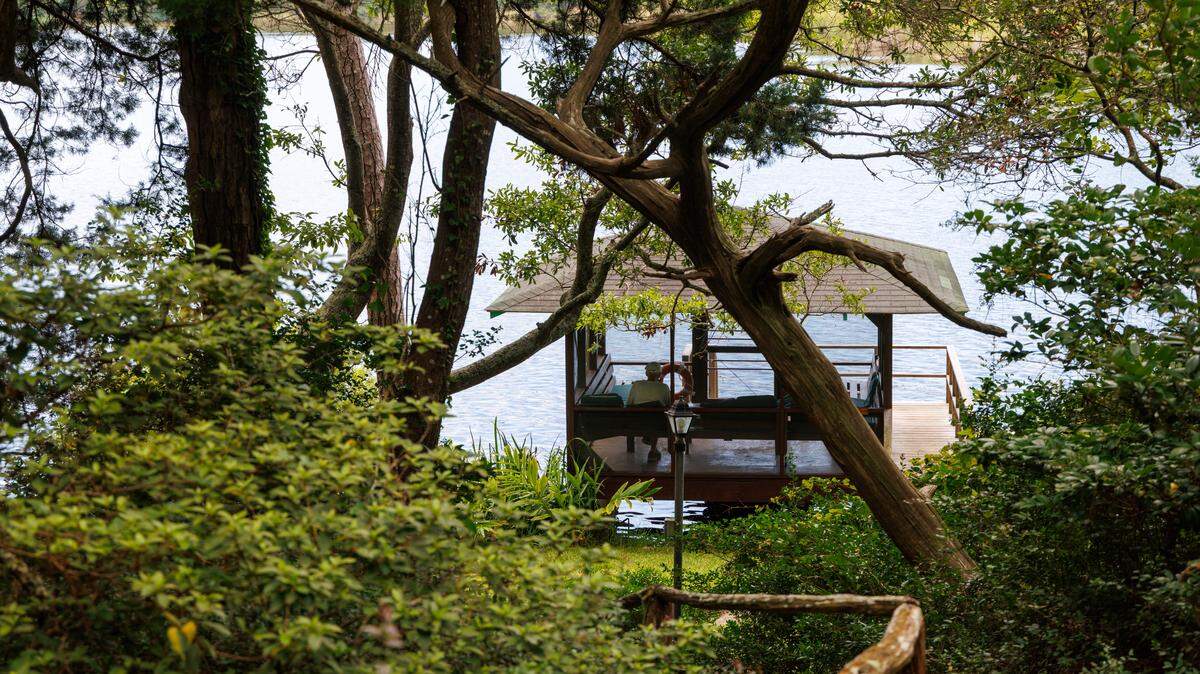
Tucked into a wooded area just off U.S. 17, just a short distance from the town of Briarcliffe Acres, sits a spiritual mecca that has drawn thousands of visitors for more than 80 years.
The 500 acres of mostly pristine land is home to the Meher Spiritual Center – only one of three spiritual retreats in the world where followers of Meher Baba come to rest, meditate and seek information about the Indian spiritual master, who claimed to be the avatar, or total manifestation of God in human form.
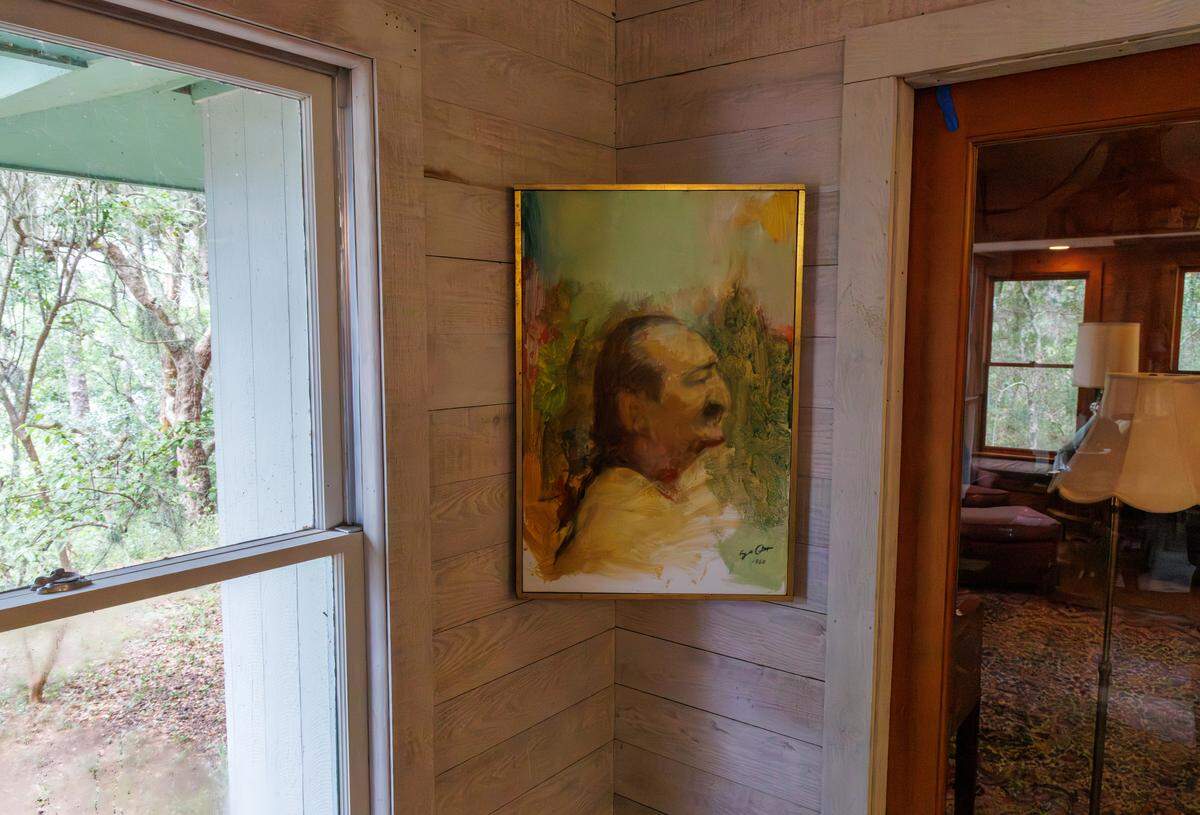
Meher Baba and the center dedicated to him have remained an enigma over the years.
The center opened during a time when the South was religiously conservative. And while the Myrtle Beach area is still conservative, it’s more open to different beliefs, said Buz Connor, the center’s executive director.
It has been accused of being a cult, Connor said, but there are no specific practices or activities that are usually tied to institutional religions required at the center.
People come from all different spiritual and religious traditions, Connor said. People come for “rest, meditation, and renewal of the spiritual life,” its website describes.
“We’re not a place to turn people into followers of him. We don’t do that here,” Connor said. “We’re not concerned with what people believe.”
‘This is a pilgrimage’
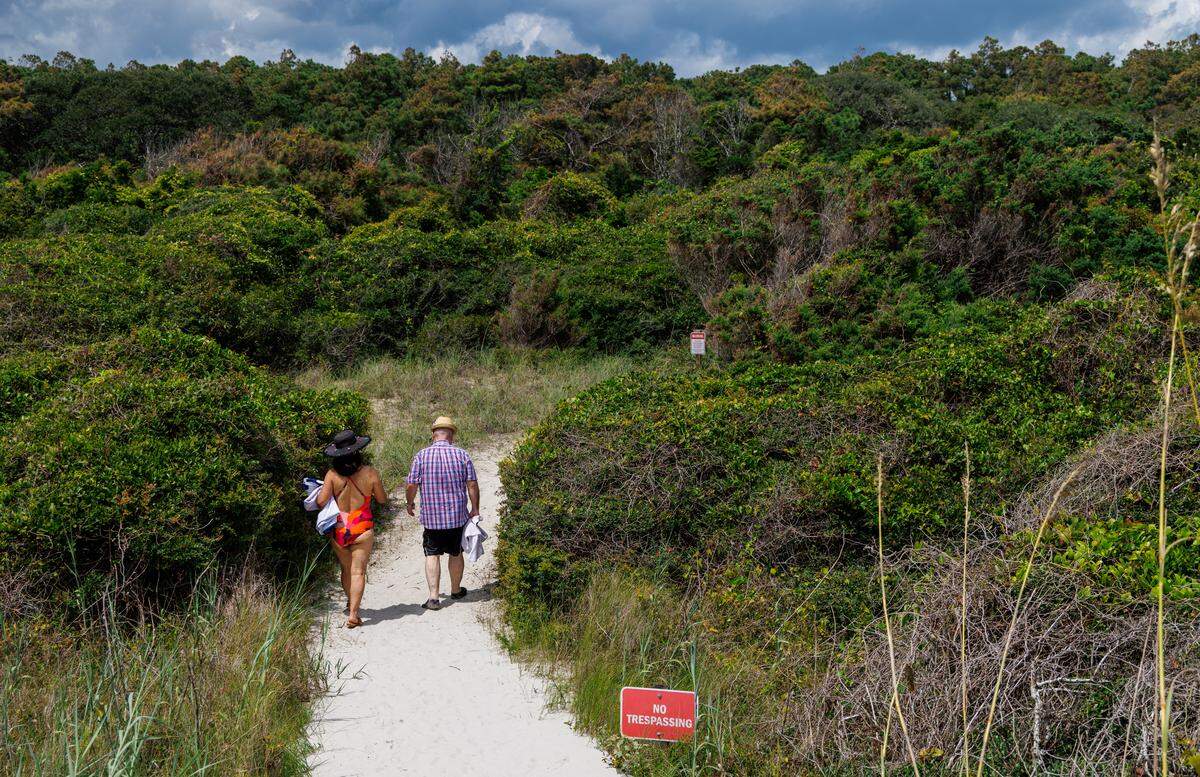
The acreage that lies between North Myrtle Beach and Myrtle Beach and abuts the Atlantic Ocean is still and surprisingly quiet, although busy highway traffic and the Myrtle Beach Mall and restaurants lie just outside its entrance.
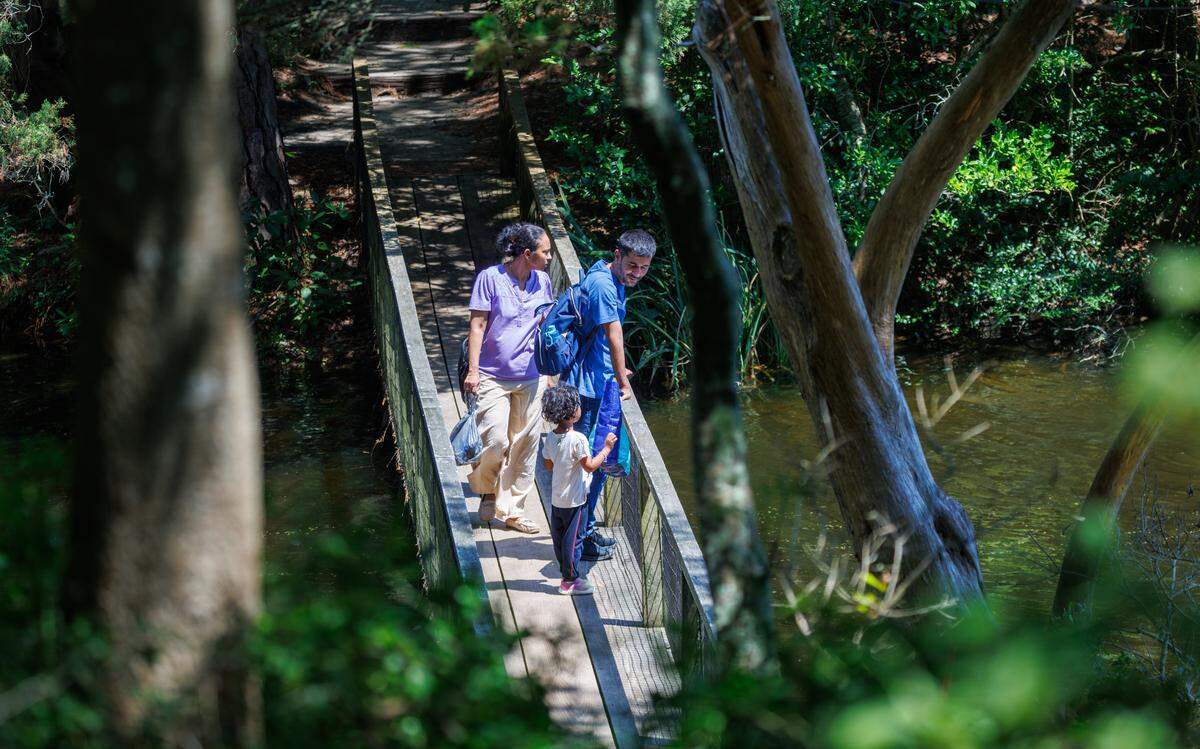
Woodland trails and dirt roads wind throughout the property, which has mature trees and two lakes, and has been designated a South Carolina Wildlife Sanctuary.
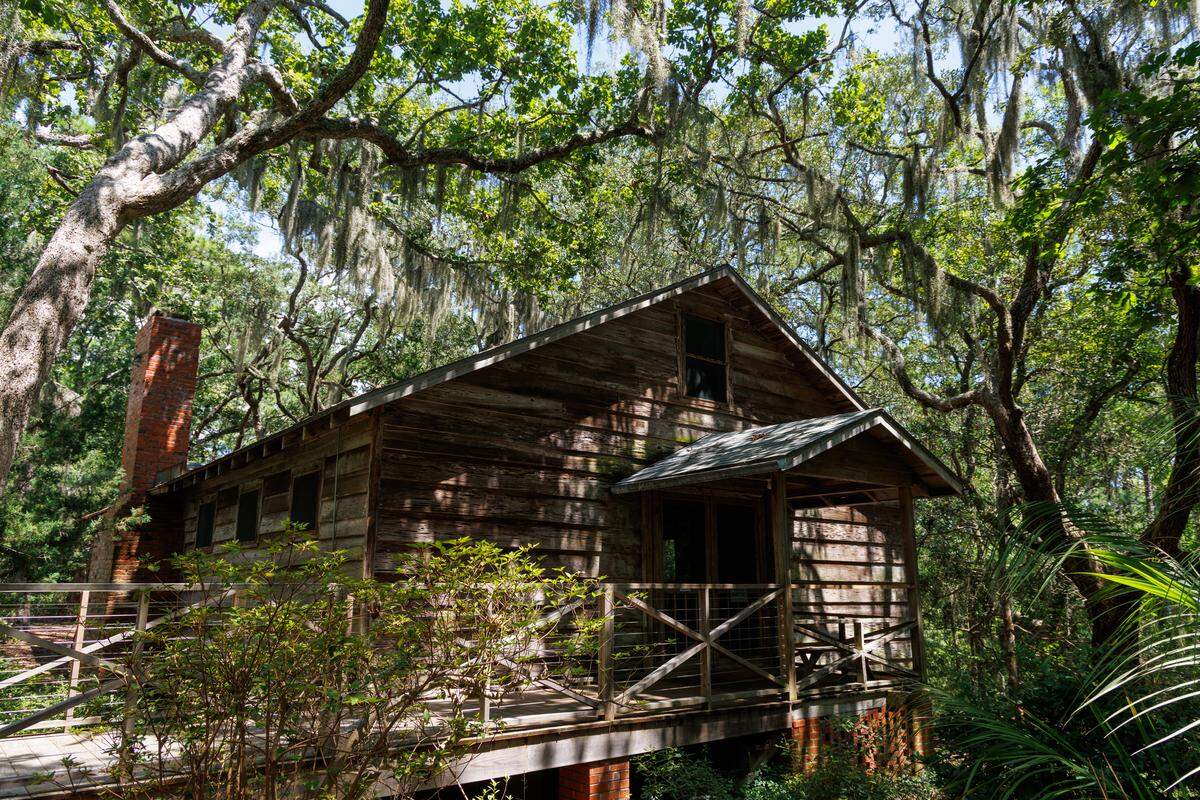
There are 23 rustic cabins and the center is in the process of building two more. There is also a library filled with books, including those by Meher Baba; a reconstructed barn, two communal kitchens, access to the beach and Baba’s home. Three of the buildings – the barn, a lagoon cabin and his home – are considered sacred because they are where Baba visited or stayed. The home is open to the public a few times a week.
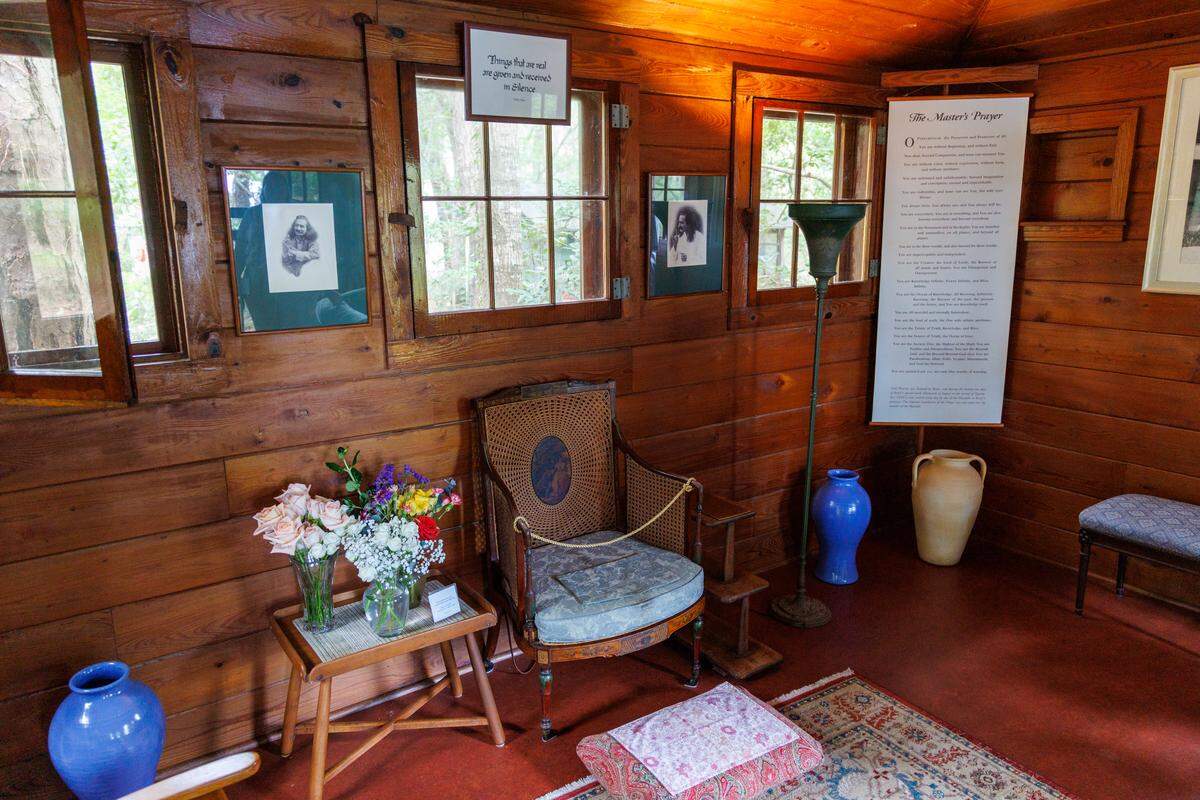
Baba had visited what he referred to as his home in the west three times: In 1952, when he inaugurated the center, 1956 and 1958. The other two spiritual retreats for him are located in Australia and India, where Baba was born and later buried.
Portraits, paintings and photos of Baba can be found in almost every building on the property.
Not much has changed on the property or inside the buildings over the years. And there are about 30 full-time staff and about 200 volunteers who work to keep it that way, preserving the property, which is limited to a few modern amenities, “as it was when Baba visited it,” Connor said.
The center is an open secret. After first time visitors have taken a tour, they can spend a day on the property, but to stay, visitors must want to know and seek Baba’s teachings, Connor said.
While it does cost to stay on the property, there is nothing to join, Connor said. However, visitors are required to watch a video about Meher Baba and the center’s history before being allowed access to the property through a gate that prevents unauthorized visitors.
“There are no services or tithing or things that are normally associated with organized religion,” he said.
The center does have programs tied to Baba’s teachings, but those are not mandatory. The center is a nonprofit and operates on donations.
“The center’s donors are not a huge one, but a loyal one,” Connor said.
The center gets 35,000 visitors each year, and Connor estimates about 25 million since the turn of the century.
“People who come consider this as a pilgrimage,” Connor said.
How the center came to Myrtle Beach area
Thousands around the world consider Meher Baba to be the avatar, the reincarnated version of God. He told his followers that he was born to help “a suffering humanity,” Connor said, and spent his life in service to the poor, sick and needy.
There are about 400 to 500 people in the Myrtle Beach area Baba community, Connor said. That includes Connor, who grew up Episcopalian and has been coming to the center since 1971. He now lives on the property with his wife.
Many of Baba’s followers call themselves Christian or Jewish, but Baba was “much more akin” to Buddhism and Hinduism, Connor said. Baba used pieces of other religions for his universal teachings like “many beads on one string,” he said.
Baba’s path to the Myrtle Beach area came through Elizabeth Chapin Patterson, who during a 10-year stint in India became a disciple of Baba. Patterson was the daughter of Simeon B. Chapin, one of Myrtle Beach’s founding fathers.
Baba asked Patterson and Norina Matchabelli, co-founder of the perfume company Prince Matchabelli, in the early 1940s to find a center for his work in the United States. The women searched the country for nearly two years without success. Then, on a trip to Myrtle Beach in 1943 to visit Patterson’s father, Patterson was able to convince her father to purchase the 500-acre parcel from Myrtle Beach Farms and then give it to her for the center.
Patterson, in turn, gave it “from the heart” to Meher Baba, and work began on the center in 1944. Meher Baba opened the center in 1952 when he came to the U.S.
“It felt like an answer to their seeking,” said Preeti Hay, volunteer liaison, of Patterson’s ability to find the property in Myrtle Beach.
Since the time of its opening, and more than half a century after his death, Baba’s mission has been “to awaken divine love” and for visitors to renew their spiritual life.
“That’s what this place is for,” Connor said.
This story was originally published September 18, 2025 at 5:00 AM.