
Snow is coming to Myrtle Beach. Check out these lifesaving tips every southerner should know
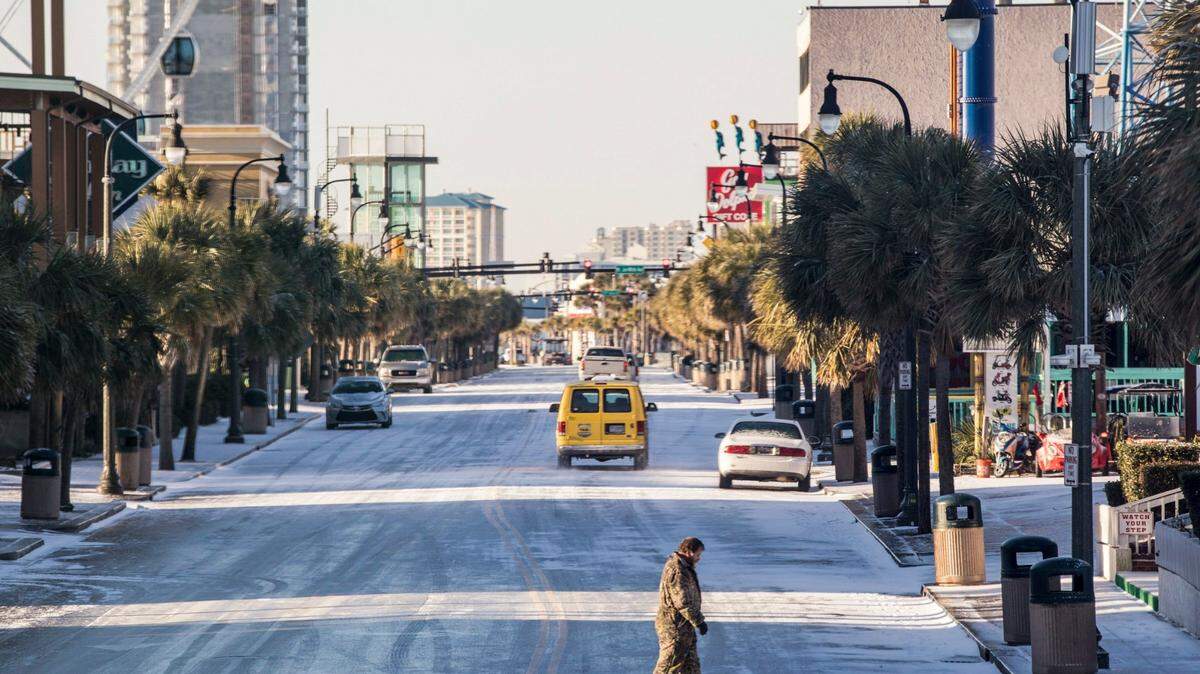
Winter weather is headed for the Grand Strand and the area is expecting as much as 5 inches of snow and Tuesday night.
While snow isn’t unheard of around Myrtle Beach, winter storms are rare for the area. With the freezing temperatures and snow on the way, here are four tips every southerner should know in a winter weather event.
Beware of carbon monoxide poisoning
When temperatures drop below freezing, it might seem tempting to open your oven to heat your home. It’s critical not to use a gas oven for heat because it puts you, your family and your pets at risk for carbon monoxide poisoning, which can be deadly.
Carbon monoxide is a colorless, odorless gas. Excessive exposure can cause headaches, nausea and confusion and, yes, death.
Similarly, generators and other gas, propane or charcoal-powered appliances like grills and heaters should never be run inside your home or garage attached to your home, even if the garage door is open. You can learn more about generators and where to place them here.
Keeping warm in your car can also pose a risk of carbon monoxide poisoning. Running a car in a garage causes carbon monoxide to fill the enclosed space. Because the gas causes unconsciousness and disorientation, it can kill before people realize they’re in danger. Anytime you’re running your car, ensure that the area is open and the exhaust pipe is clear.
Gather supplies
Pack an emergency kit that can support your household for at least three days with water, non-perishable food, a first aid kit, important documents, medications, flashlights and batteries. If your power goes out, flashlights are a safer alternative than candles to keep your house lit.
It’s a good idea to create or update a survival kit to keep in your car and ensure your car has at least half a tank of gas.
Protect your pipes
Anytime temperatures drop consistently below freezing (32 degrees Fahrenheit) pipes are in danger of freezing and potentially bursting.
While it can be tempting to lower your thermostat, especially if you’re not home, the Red Cross advises setting your thermostat no lower than 55 F and keeping the temperature consistent day and night. If you have exposed pipes without insulation in your home, open the kitchen and bathroom cabinets that house them to circulate warm air around the plumbing.
Allowing a small trickle of cold water to drip from faucets with exposed pipes also helps keep pipes from freezing when temperatures drop.
If your home has water spigots outside, disconnect any garden hoses, shut off inside valves that supply the water, allow the water to drain and keep the outdoor valve open so any remaining water can expand without bursting the pipe. You can check out insulated covers made for outdoor faucets at hardware stores, or wrap them yourself with rags, t-shirts or towels sealed with plastic bags and tape.
Keep an eye on pets
While many pets are equipped with a fur coat, in freezing temperatures most pets will be cold just like humans. According to the American Veterinary Medical Association, cats and dogs are susceptible to frostbite and hypothermia and should be kept inside, as a general rule.
“Longer-haired and thick-coated dog breeds, such as huskies and other dogs bred for colder climates, are more tolerant of cold weather; but no pet should be left outside for long periods in below-freezing weather,” the AVMA says.
For pets and livestock that can’t come in, it’s critical to provide plenty of food, water that isn’t frozen and warm, solid shelter. The AVMA advises against space heaters because they pose a burn risk.
If you want to be a friend to strays, skip the blankets and towels. According to the Humane Society, these materials can absorb body heat and actually make animals colder. Instead, they recommend leaving out straw or pillow cases loosely stuffed with packing materials like shredded newspaper and foam peanuts. If you do provide a shelter for strays, replace and wash the materials as needed.
This story was originally published January 21, 2025 at 2:33 PM.