
Save your stuff and your sanity: SC expert bed bug tips to know on your Myrtle Beach vacation
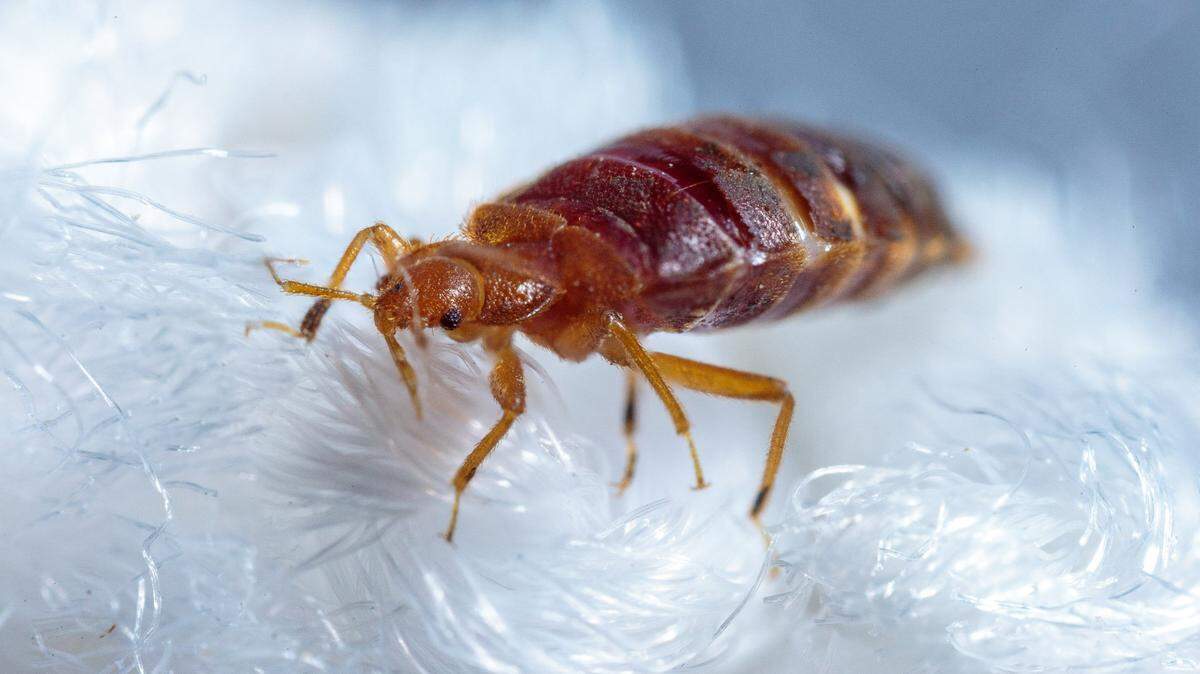
Bed bugs are a pain.
Beyond itchy, sometimes painful bites, the bugs’ persistence is enough to make a person feel crazy. The Centers for Disease Control, Environmental Protection Agency and United States Department of Agriculture have even identified bed bugs as public health pests.
As a major travel destination, the Grand Strand sees millions of visitors every year. With all the traffic through the region, the Myrtle Beach area sees its share of infestations and hysteria.
In the last two months alone, three lawsuits have been filed in Horry County over alleged infestations at vacation rentals in the area.
To get the inside scoop on how to prevent a disastrous vacation, The Sun News spoke with attorney Trevor Eddy, who is currently representing plaintiffs in a personal injury lawsuit surrounding bed bugs. The Columbia-based lawyer says he handles “an extremely high volume of bed bug lawsuits,” and offered expert tips for South Carolina vacationers.
If you’re planning a trip, on vacation or in the unfortunate position of facing off against bed bugs in your luggage, here’s what you need to know to save your stuff and your sanity.
Before you travel
Before booking accommodations for a trip, Eddy recommends doing some internet research on potential lodging.
“Number one thing, you’ve got to read the online reviews,” Eddy said. “In all of our cases, before we get to the filing of a lawsuit stage, we do extensive searches through Google reviews, Booking.com, Tripadvisor and Yelp.”
He recommends these sites, specifically, because they allow users to do keyword searches for terms like bugs or bed bugs.
“A lot of these places, you’ll see a ton of prior complaints about bed bugs, and it’s just not worth rolling the dice if you see that before you book,” Eddy said.
Taking precautions
While they’re commonly found in and around beds on mattresses, bedding, frames and upholstered headboards, bed bugs can make a home in plenty of other places.
The parasites are sometimes found on furniture, in curtains, in drawer joints, in electrical outlets and appliances, under loose wallpaper and wall hangings, on cardboard, at the junction between the wall and the ceiling and even in the head of a screw, according to the EPA.
“Do not bring your luggage directly into the room. If you have to bring it through the threshold, you put it in the bathroom and, even better, in the bathtub,” Eddy said. “I know this seems silly, but anytime that your luggage touches the carpet, you are now exposing yourself to getting the bugs, the eggs in your belongings.”
If your belongings get infested with bed bugs, you’ll have to begin the long, arduous process of eliminating the parasites or throw your stuff away. To prevent infestation, Eddy recommends storing your luggage in the bathroom until you’ve checked the room.
Finding bed bugs
While bed bugs can seem elusive, according to the EPA the adults, nymphs and even eggs should be visible to the naked eye.
They also leave behind rusty reddish stains when they’re crushed, small dark spots from their excrement, whitish eggs about a millimeter in length and pale yellow skins that the nymphs molt as they grow.
“The easiest, quickest thing to do is just to check the four corners of the beds. Corners are their favorite spots to hang out, and if there is going to be an infestation, it is very likely that you will see evidence around the four corners,” Eddy said. “This includes the box spring, a step we see routinely skipped by the hotels and resorts.”
He also advises hotel guests to check in upholstered headboards on beds and use their noses.
“Not always, but often, bed bug infestation also has a very musty smell to it, especially if it’s established,” Eddy said. “So if someone walks into a hotel room and they smell a weird mustiness, unfortunately that’s a red flag.
Getting rid of bed bugs
Bed bugs are notoriously difficult to eliminate — and for good reason. If you encounter bed bugs on your vacation, here’s what you should know about treating your belongings so you don’t bring them back home with you.
While some home remedies can be viable options, the EPA advises against using sticky traps, which are ineffective for bed bugs, or taking a crack at evicting the parasites with home chemicals. Because of their flammability, using gasoline, kerosene or rubbing alcohol to fight bed bugs puts your property and family at risk.
You can learn more about dangerous, illegal and ill-advised home methods of bed bugs treatments to avoid here.
In addition to professional pest control options, you can try using extreme temperatures to kill the bugs and any eggs they may have left on your stuff.
Using cold
Bed bugs can survive pretty extreme temperatures, but prolonged exposure to frigid temperatures can reliably kill the pests.
If you have a freezer that reaches 0 degrees Fahrenheit, the EPA says you can gather your belongings in a sealed bag and leave them for three days. To ensure that your freezer truly reaches 32 degrees below freezing, check it with a thermometer before treating your stuff.
Using heat
While high temperatures can kill bed bugs and even their eggs, there isn’t an exact method for using heat to eliminate the pests.
If you’re considering a heat treatment, avoid trying to evict bed bugs by raising indoor temperatures with fireplaces, propane space heaters or thermostats, as the EPA says these methods are both ineffective and dangerous.
According to the EPA, bed bugs die when their body temperatures reach 113 F. However, the agency doesn’t have guidelines for necessary temperatures or times required for heat treatments and warns that do-it-yourself solutions might not work.
Clothing and other fabric items can be run through a dryer on a high-heat setting, and items that fit in a suitcase can be transferred into black trash bags and left in a hot car in the sun. Without recommendations on how long to leave belongings in different levels of heat, the longer you can heat the objects, the better your chances are of killing the bed bugs.
According to pest control company Orkin, the adult bugs can be killed at 119 F and the eggs die at 125 F. The company says that oven-safe objects can be baked for 3 to 5 hours to kill the parasites.
Both wet and dry steam cleaners that reach 130 F can also be used to kill bed bugs, the EPA says, but it’s important that the airflow isn’t too strong or it can cause the pests to scatter. To keep the bugs from scurrying away, try using a diffuser.