It took 4 years and $200K of taxpayer money to convict SC man in murder case. Why so long?
Sitting at his desk, Jimmy Richardson pulls out a list of open court cases in Horry County, and points to the first name — Frederick Stevens.
Stevens was arrested for possession of crack or methamphetamine in 1997. However, he will never face a trial.
Stevens had died, but the court was not informed of his death until September 2024, explains Richardson, who is the 15th Circuit solicitor. Stevens’ 27-year-old case wasn’t cleared until the end of 2024 when the court reopened it and dismissed his charges.
Before being dismissed, it became the longest standing court case in Horry County.
Stevens’ case is one of 17 that are older than four years in Horry County, as of Dec. 18, 2024.
Having court cases that drag on for years is not unique to Horry County. However, such backlogs can cause taxpayers thousands of dollars in housing inmates and other costs
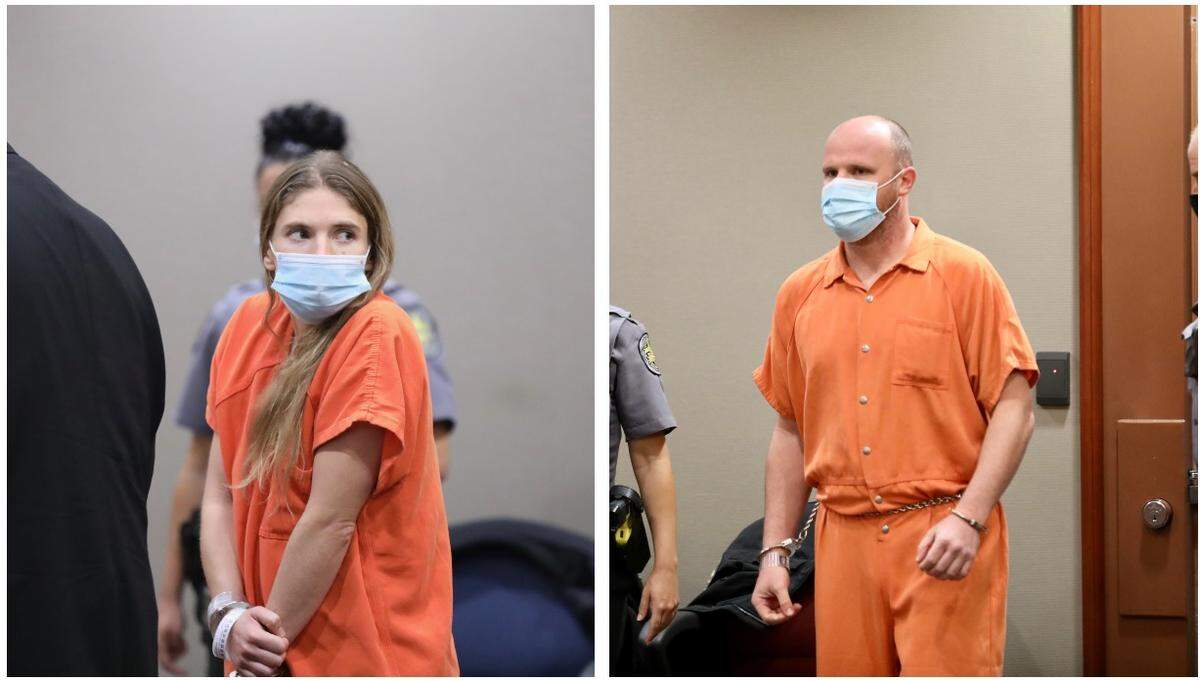
A more recent case involves charges against former Horry County coroner Christopher Dontell, who, after spending four years in jail, pleaded guilty in December to accessory after a murder and criminal conspiracy to commit murder.
Dontell was originally charged with murder and criminal conspiracy for his involvement in the killing of his mistress’ boyfriend. He was eventually indicted on two lesser charges — but not until two weeks before his June 2024 murder trial.
Dontell was willing to plead guilty to the lesser charges early on, but the court wouldn’t accept it, his attorney Aimee Zmroczek said.
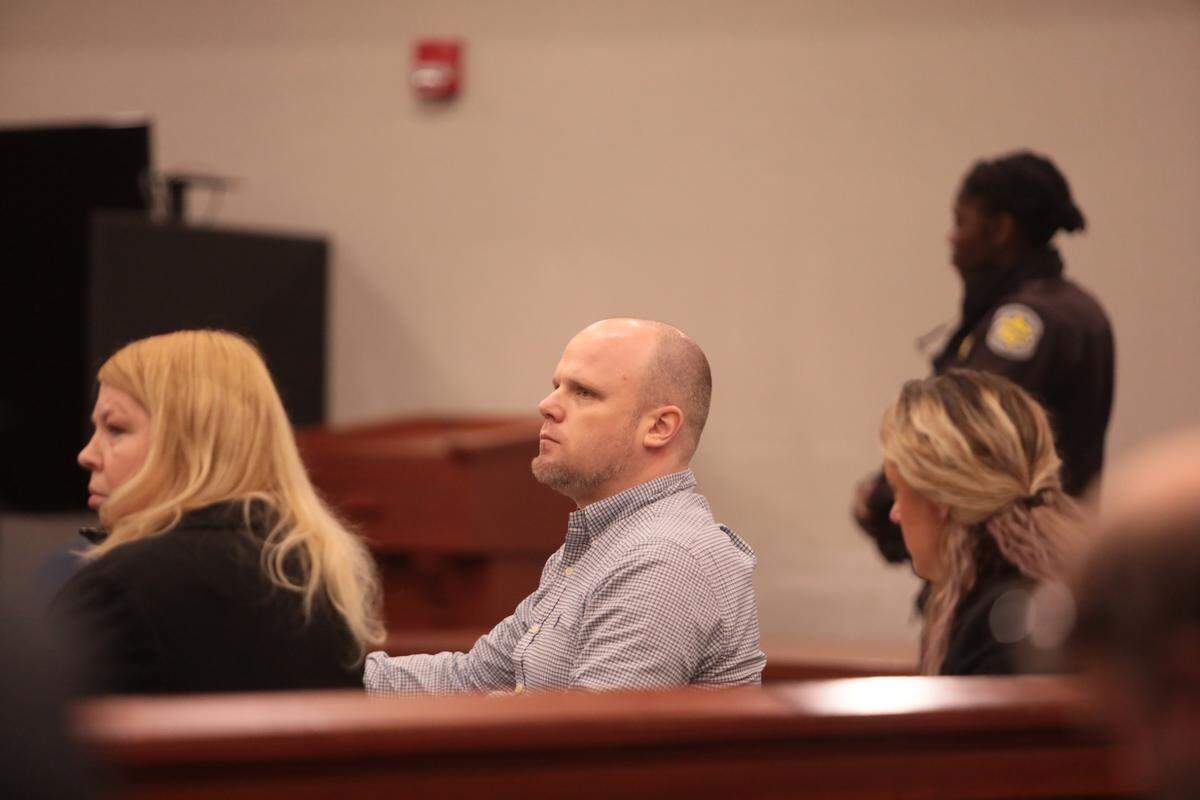
Given the timing of the new charges filed, Zmroczek said the trial had to be continued. This caused Dontell to wait in jail longer until he was able to plead guilty.
This timeline isn’t an anomaly, said Madalyn Wasilczuk, an assistant professor of law at the University of South Carolina.
“The average time to a major trial (in South Carolina), which is like criminal sexual conduct or robbery or murder charge, is five years,” Wasilczuk said.
In Horry County, major crimes can on average take up to two and a half years to reach trial, Richardson said in an email to The Sun News.
With less than 500 cases over three years old, Horry County is doing better than other South Carolina counties — some that have thousands of open cases. However, there are still court cases in Horry County that drag on for years.
South Carolina’s backlog can prevent speedy trials, allow cases to linger for years, overcrowd jails with inmates awaiting a trial and cost the taxpayers money. In addition, families on both sides have to wait just as long for a verdict.
How much does it cost to bring a defendant to trial?
With the rise in population comes a rise in crime. Compared to 10 years ago, there are nearly 50% more criminal cases going through the 15th Circuit Court, according to data from the South Carolina Courts. In 2013-2014 fiscal year, there were 7,200 cases, while over 10,600 were reported in 2023-2024.
It costs about $150 a day to keep an inmate at J. Reuben Long Detention Center, said Brennan Cavanagh, the Horry County Sheriff’s Office public information officer.
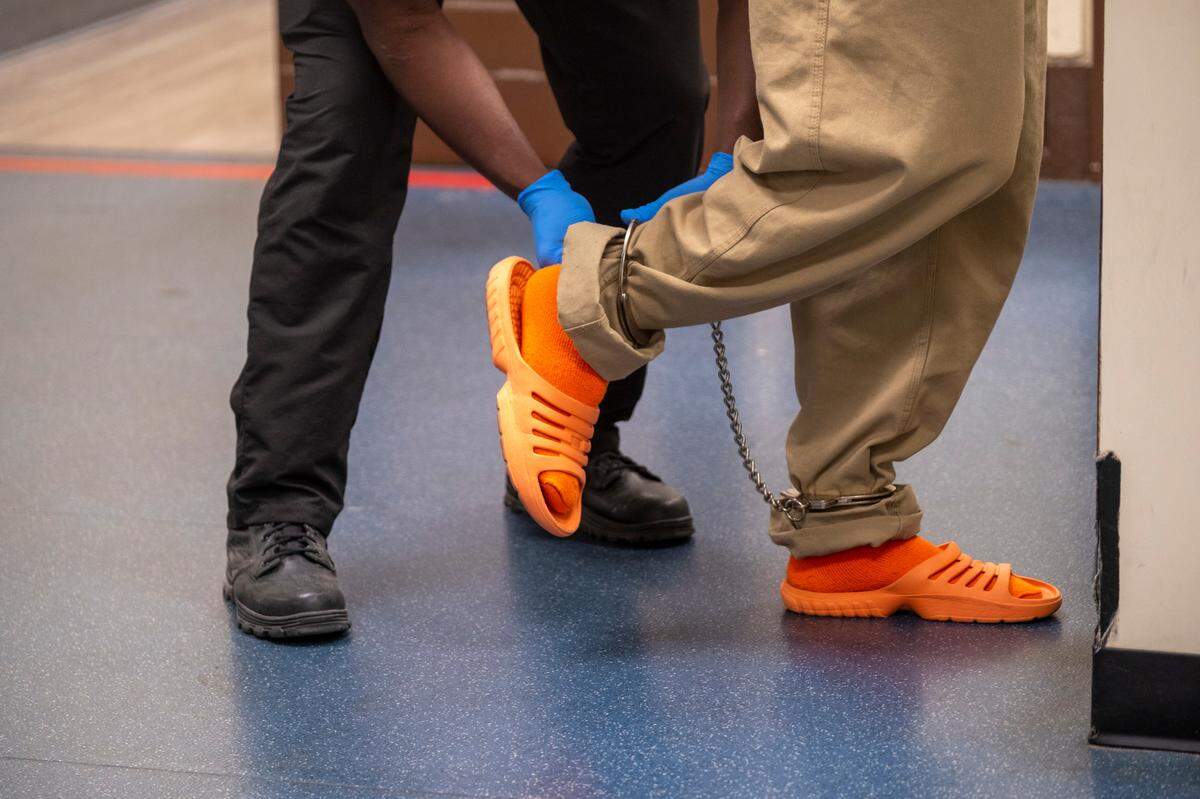
Given that Dontell spent about 1,350 days in jail before going to trial, over $200,000 was spent on his stay. That doesn’t include the time and money spent by taxpayers for state prosecutors and police investigators to bring him to trial.
If Dontell had been able to plead guilty to lesser charges earlier, thousands of dollars could have been saved on his jail time.
Many cases put on back burner
For 10 out of the 17 longest cases in Horry County, charges included such crimes as drug possession or a hit and run, according to information from the Solicitor’s office.
In the case of Stevens, he never appeared for his court hearings after he was released from jail on bond, Richardson said. The courts gave the person who paid Stevens’ bond time to find him, but when that wasn’t possible, Stevens’ case was put in the contingent docket — lawyer speak meaning he was put on the back burner.
When people with minor charges don’t show up, there often isn’t a push for law enforcement to find them.
“If it’s a murderer, everybody goes to look, and we’d call in Marshal Service,” Richardson said. “But I’m not going to call the Marshal Service on the possession of crack case.”
When a defendant skips court, which happens often, prosecutors don’t begin work on the case until the person is brought back in. That could mean years.
It’s also often in the best interest of the defendant to delay a trial if possible, Richardson said. If a trial happens three years after the incident, it can be harder for the state to round up witnesses.
“I’ve had DUIs dismissed because they’ve gotten old and the officer left for another job and (the state) can’t prosecute without the witness there,” said Lacey Thompson, a Columbia-based criminal defense lawyer.
COVID-19 backed up thousands of cases
In comparison to other counties in South Carolina, Horry and Georgetown counties are in good shape, Richardson said. After the COVID-19 pandemic hit, South Carolina shut down courts for months at a time, The State reported. But Horry and Georgetown counties worked through the pandemic.
“We didn’t work from home. We didn’t stop court,” Richardson said. “There was about three weeks at the very tail end of that first COVID kick that Columbia said you can’t hold court anymore.”
As a result, while other courts have over 9,000 cases over three years old, Horry County has under 500. The backlog makes it difficult for courts to try new cases as they have to wade through the old cases first.
Looking at data from the South Carolina Judicial Branch, the 15th Circuit ranks near the middle of the list for long outstanding cases. The circuit court has 2,275 cases older than 1 1/2 years, comprising 21% of its total cases, a 2023-2024 report showed. This is the fifth lowest in the state.
Historic funding has been given to solicitors and public defenders in South Carolina in an effort to move through the mountain of old cases. In 2023, the South Carolina Supreme Court stated that 70% of cases on a proposed trial docket must be 30 months or older in an effort to try older cases first and blast through the backlog.
Because Horry County isn’t facing the same pileup of court cases, it has special permission to fill a docket with newer cases, Richardson said.
Defense frustrations with court processes
When it came to the murder trial for Dontell, his lawyer Zmroczek said she had several frustrations with how long it took for his case to make it to trial.
Dontell faced charges in a murder case involving his ex-mistress, Meagan Jackson, and her former boyfriend Greg Rice.
Dontell was originally charged with murder and a criminal conspiracy charge in November 2020 after Rice’s body was found wrapped in a tarp in the Pee Dee River. In June 2024, the courts added an accessory after the fact and conspiracy to commit kidnapping charges, The Sun News reported.
The former coroner dumped the body of Rice in the Great Pee Dee River on Oct. 3, 2020, after Jackson, allegedly asked him to, Zmroczek said.
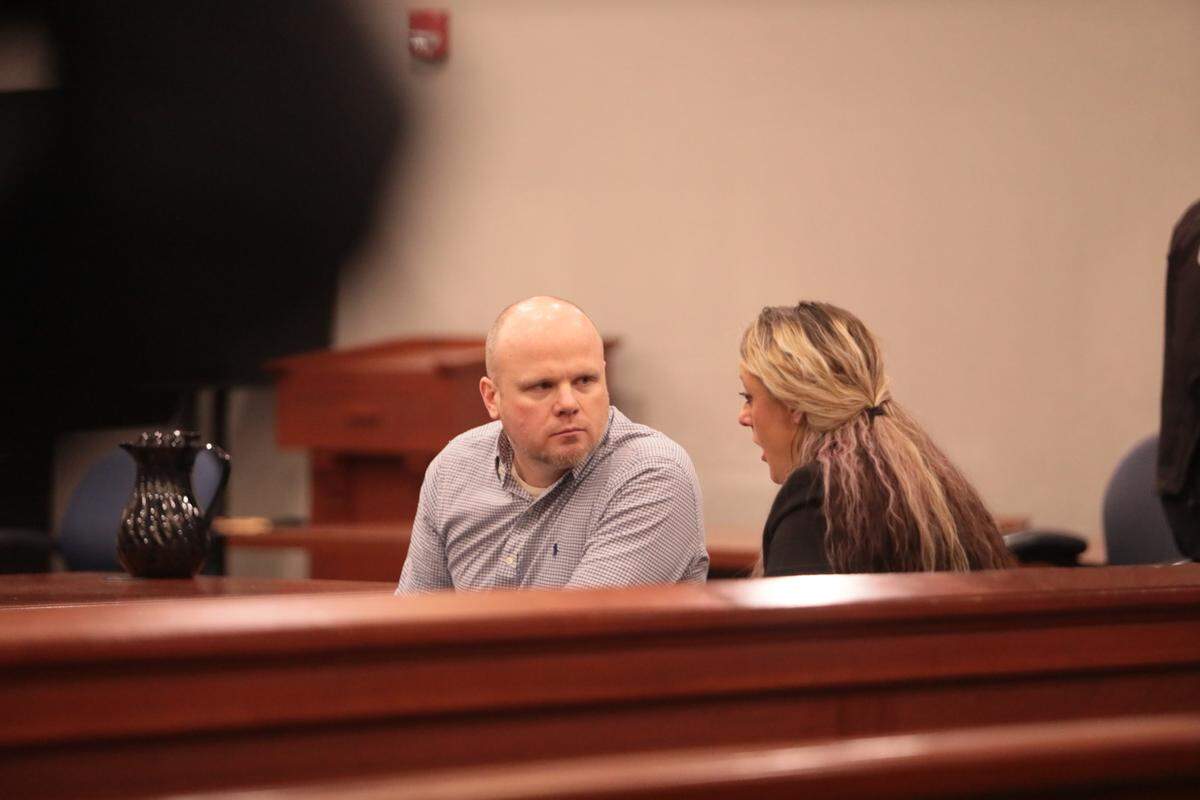
He pleaded guilty to criminal conspiracy and accessory after the fact in December 2024. He’s awaiting sentencing until after Jackson’s trial, which was set to begin in February but was delayed.
Zmroczek believes part of the reason it took four years for Dontell to go to trial was because the state did not turn over evidence in a timely manner. Generally, defendants have a right to know what evidence the state has against them and can be obtained by filing for discovery, according to South Carolina Courts. The state then has 30 days to respond.
Court records show Dontell filed two different discovery motions, which then took over three months to complete.
Zmroczek was also frustrated with the charges Dontell faced.
“Up until June of 2024, he was charged with murder and he wasn’t gonna plea to that. I had offered to plea to what he was guilty of, which was accessory after, and they wouldn’t accept that plea,” Zmroczek said.
Before he pleaded guilty, Dontell’s case was the oldest case in Horry County, as Richardson put it. All the older cases had either been on the contingent docket for years or held up for other special circumstances.
Dontell’s case could have been cleared earlier if it hadn’t been continued, but Zmroczek said because of the timing of the new charges, the trial had to be postponed.
When asked why a guilty plea may be entered and accepted this late in a case, USC Law Professor of Practice Mark Yancey said sometimes the state realizes it doesn’t have the evidence until its time for a trial. At that point, the state could be more willing to convict on a lesser charge.
“When the prosecution really started putting their case together and getting ready for trial, they recognized ‘We don’t have the evidence to get a conviction beyond a reasonable doubt with respect to a couple of counts. So let’s take another stab at getting some type of guilty plea in this case,’” Yancey said, speaking broadly about criminal cases.
After Dontell, pleaded guilty, the state’s evidence showed he did not commit murder.
Now, since Dontell’s case is done, Jackson’s is the oldest open court case. When her murder trial begins, it will be over four years old.