Do snakes hibernate? Where they go in winter in the Myrtle Beach area and should you worry
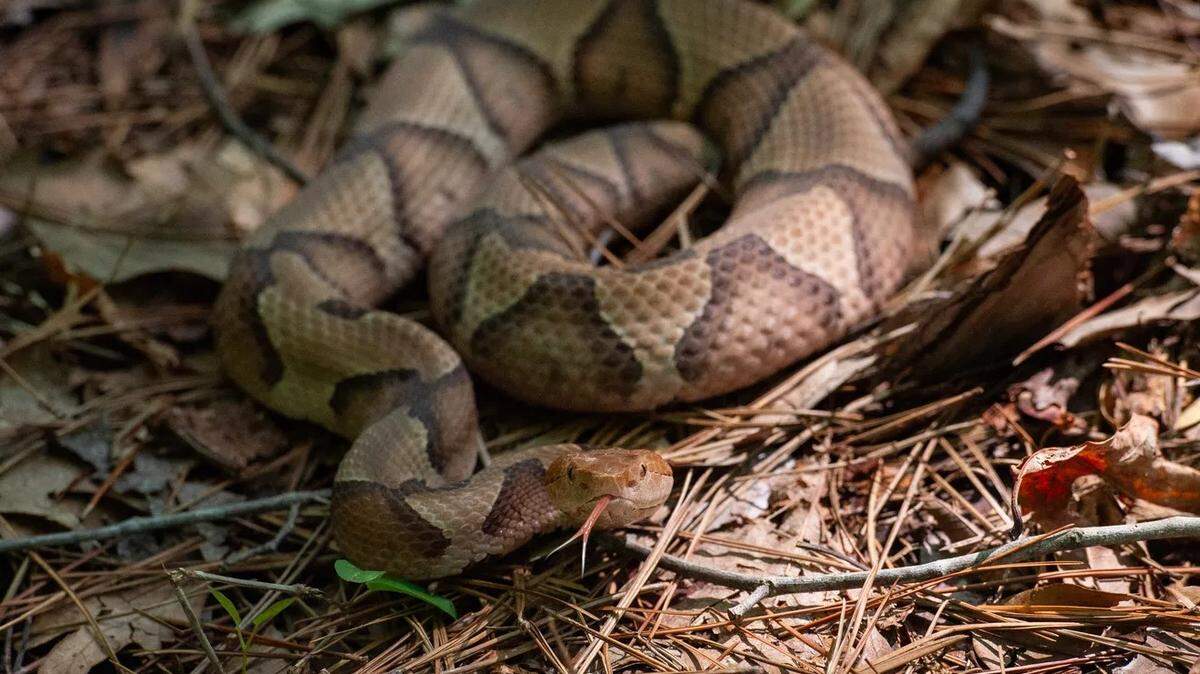
When winter months set in, humans add on extra layers, bears hibernate and turtles dig themselves into the ground. But what do snakes do?
Unlike in colder climates, snakes in Myrtle Beach rarely enter brumation, the reptile version of hibernation, said Coastal Carolina University Professor Scott Parker. They continue to move around, but less than the summer months.
“(Snakes) are definitely less active, so a lot of times they’re going to spend time under leaf litter, underground in root cavities, things like that,” Parker said. “But on a nice, sunny day, they’ll still come out to bask.”
In the winter time, people are less likely to run into snakes, but it’s always possible to see one. Be cautious when clearing brush or debris and keep all hands and feet visible, Parker said. Not all snakes are venomous in South Carolina, but it’s better to be safe than sorry.
Common snake species in South Carolina include black racers, corn snakes and brown snakes, none of which are venomous, according to the South Carolina Department of Natural Resources. More dangerous snakes to watch out for include cottonmouths, eastern coral snakes and rattlesnakes, according to the University of Georgia.
Despite cold weather, snakes will stay outside. It’s rare for the reptiles to enter a human home, and if they do, they might have done so accidentally.
No matter the temperature in Myrtle Beach, stay vigilant when dealing with brush. In his research, Parker said he’s seen baby cotton mouths leaving their burrow at night in 45 degree weather.
“They’re active at much colder temperatures than we would have ever predicted,” Parker said.