
Shells, shark teeth & more: which souvenirs can you legally take from Myrtle Beach, SC?
Myrtle Beach is home to dozens of gift shops and beach stores, but if you don’t live by the beach a natural souvenir might be a more memorable token from your trip than a T-shirt.
If you’re looking for a free memento to take home from the beach, here’s what you should know about what you can collect from area beaches and what you should leave on the shore.
Sand from the Grand Strand may seem like a fun souvenir to remind you of your trip. However, it’s actually illegal to take sand from the Myrtle Beach coast, so it’s best to leave the sand in pictures and memories.
Still, there are plenty of other natural souvenirs you can take home from the beach.
You can find shark teeth on beaches around Myrtle Beach and, if you’re especially lucky, you might even find the oversized tooth of a megalodon, an enormous shark that grew up to 60 feet in length and died out two and a half million years ago.
Perhaps the most popular and abundant natural souvenirs from Myrtle Beach are seashells. Not only is shelling legal, it’s a popular pastime in the Grand Strand.
The Myrtle Beach area is home to lots of gorgeous shell varieties, including augers, baby’s ears, banded tulips, calico scallops, cockle shells, coquina clams, Florida horse conches, keyhole limpets, lettered olives, moon snails, oysters, quahogs, slipper snails, Venus clams and whelks.
You might also find sand dollars at the beach, but it’s important to note you can only take one of these sea creatures home if it’s already dead.
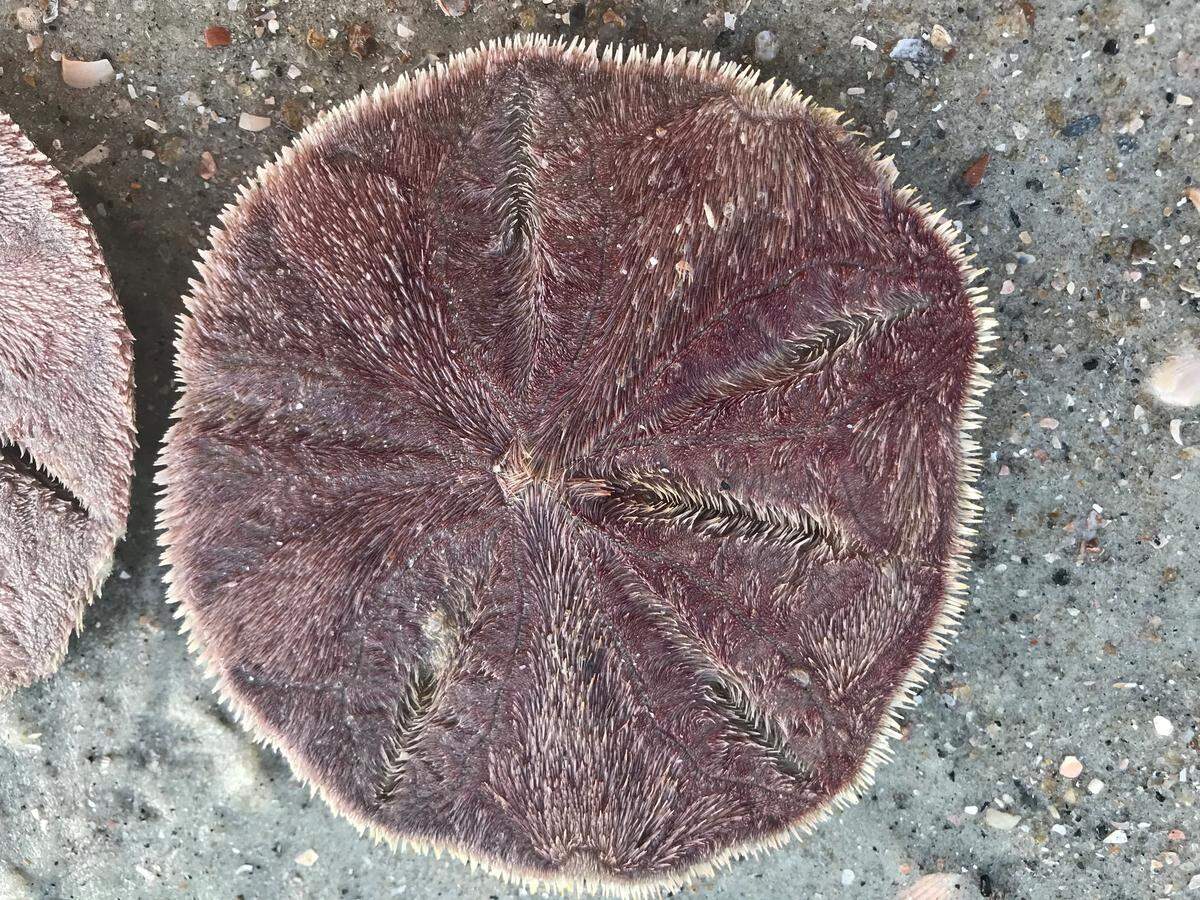
To identify whether a sand dollar is dead, take a look at its underside. If its cilia — small, hairy brown spines on the urchin — are still moving, the animal is alive. If the animal is still alive, you can help it by returning it to the water.
If the sand dollar is smooth and gray or white, like you see in a gift shop, instead of dark and fuzzy, it’s been dead for a while. According to the South Carolina Department of Parks and Recreation, you can clean up a dead sand dollar to use as a souvenir two ways.
If you’re patient, you can let the sun bleach sand for a few months, or you can soak the sand dollar, changing the water out every few hours until the water is colorless. After that, soak your souvenir in one part bleach with three parts water for 15 minutes, before letting the sand dollar dry in the sun.
This story was originally published December 2, 2024 at 6:00 AM.