
Is your home a winter fire risk? Here’s how to tell, Myrtle Beach, SC safety experts say
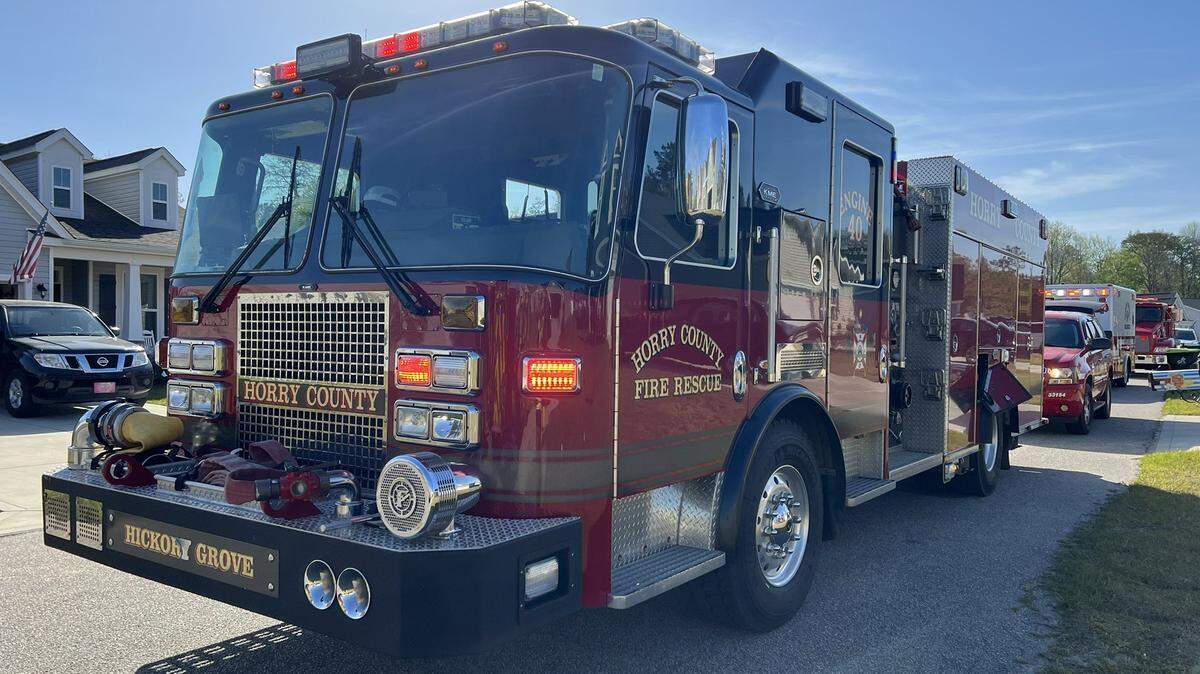
As temperatures drop and South Carolina prepares for winter, the Horry County Fire Rescue is expecting an increase in home fires.
According to HCFR public information officer Tony Casey, the department starts getting heating-related emergency calls every year when people crank up the heat for winter. HCFR recently responded to a home fire which Casey said appears to have started in the residence’s chimney.
“We just want people to be really careful and, just like anybody else, people can overlook the maintenance and the service side of things,” Casey said.
Home Heating Dangers
Whether you’re heating your home with an HVAC system, fireplace, portable heater or some combination of methods, there are two distinct risk factors that pose fire risks.
For smaller concentrated heating sources, like fires and heaters, close proximity to other items can start a fire.
Another major issue is maintenance. If equipment hasn’t operated in a while, it may not be in good condition and up to the task of warming your home.
“They’re not used for several months, or not used in that way for several months, so you’re kind of shocking the system when you ask it to produce heat for the first time,” Casey said.
According to Casey, maintenance-related fires aren’t unique to heating equipment and HCFR receives similar calls in the spring, as temperatures rise and people run cooling systems for the first time in months.
Taking precautions
Before cranking the heat this winter, it’s important to make sure equipment like heaters, HVAC systems and fireplaces are clean and in good working order. While you can likely visually assess some wear and tear, Casey recommends getting professional inspections for heating equipment.
“I mean, do an inspection yourself … but electrical work and anything on heating would be best done by a licensed professional,” Casey said. “It might seem like a cost that isn’t worth it, but it’s minimal compared to losing your entire house and all your possessions.”
With localized heating options, like fireplaces and space heaters, it’s also important to shut heat sources off when you’re not around to supervise and keep them away from other items.
“If you throw a blanket on top of a couch right next to a portable space heater, that could be a fire risk, so we always try to emphasize 3 feet for heat,” Casey said. “We actually want more than 3 feet, but that’s a good way to remember that.”
As the risk of residential fires increases, you can also promote fire safety by keeping an eye out for “vulnerable populations.”
“They could be the elderly or people who don’t have family or friends. It’s worth always checking in on your neighbor to make sure they have everything they need going into a cold snap or cold season in general,” Casey said. “So send the text message, get your neighbor’s number, check on them, make sure they have everything they need, and that’ll keep everybody safer.”