
Why can drinks around Myrtle Beach, SC be so expensive? Here’s how taxes break down
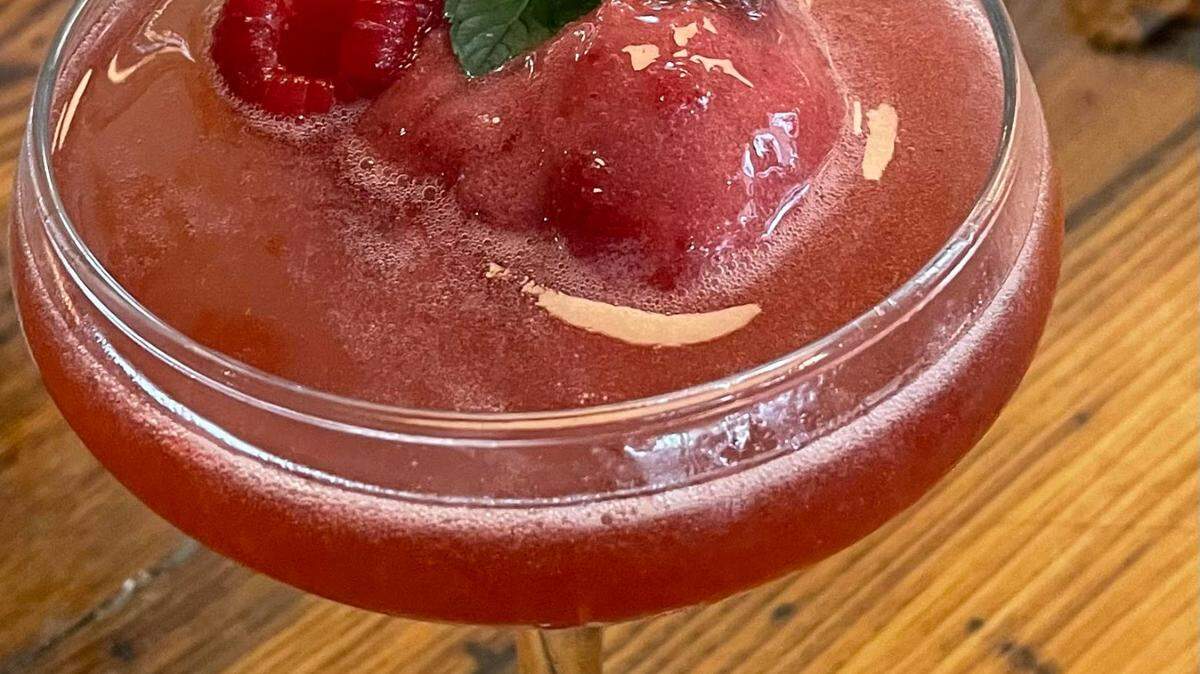
For tourists and locals alike, restaurants and bars are a popular draw for Grand Strand nightlife. But for visitors hoping for cheap drink deals, alcoholic beverages can be surprisingly costly. Because of local liquor taxes, drink prices that don’t include taxes can show up considerably more expensive on a receipt than on a menu.
While alcoholic beverages purchased from stores are still taxed, the items are considered retail purchases, which have lower tax rates. Alcohol bought from liquor or grocery stores in the city of Myrtle Beach is taxed at 9% and alcohol bought in stores everywhere else in Horry County is taxed at 8%.
However, alcoholic drinks purchased at restaurants, bars and other establishments intended for on-premises consumption have different rates. Here’s how those taxes break down.
Booze tax breakdown
Most restaurant purchases in Atlantic Beach, Aynor, Conway, North Myrtle Beach, Surfside Beach and unincorporated areas of Horry County are taxed at 10.5%, according to Horry County director of public information Mikayla Moskov. This includes foods, non-alcoholic drinks and all non-liquor alcoholic beverages, like beer and wine.
The 10.5% tax is comprised of:
5% state sales tax
2.5% local hospitality fee
1% state tax relief
1% local education improvements sales tax, which went into effect on March 1, 2009 and will sunset on Feb. 28, 2039
1% capital projects tax for Horry County road improvements, known as RIDE 3, which went into effect on May 1, 2017 and will sunset on April 30, 2025
On top of that 10.5%, South Carolina has a 5% liquor by the drink tax that applies only to beverages with liquor purchased for on-premise consumption. With that added tax, liquor and mixed drinks purchased at restaurants in these areas incur a 15.5% tax rate.
But there are two cities in Horry County where that rate is a little different: Myrtle Beach and Loris.
Myrtle Beach has an additional 1% tourism development fee, which brings the tax rate on non-liquor restaurant purchases, including beer, wine and food, to 11.5%. Likewise, liquor purchased in restaurants is taxed at 16.5%.
Loris, on the other hand, has a slightly lower tax rate in restaurants. Because the local hospital fee remits 0.5% to the city, the total hospitality fee in Loris is 2%. This means that the sale of liquor in restaurants is taxed at 15% and all other restaurant purchases are taxed at 10%.
This story was originally published November 14, 2024 at 6:00 AM.