Does this Myrtle Beach area have the highest number of black bears in South Carolina?
Reality Check is a new Sun News series holding those in power accountable, shining a light on local issues, and answering readers’ essential questions. Have a question or concern we can answer? Email online@thesunnews.com.
As more development happens in the Carolina Forest area, it leaves black bears displaced and makes them more visible to humans, said Kayla Brantley, the coastal bear biologist with the South Carolina Department of Natural Resources.
A resident shared on Nextdoor how a bear had been climbing over her fence and exploring her backyard at night, which is not an uncommon occurrence in the area. One person commented saying that the Carolina Forest area has the largest bear population in South Carolina according to the SCDNR.
The Sun News spoke to Brantley to find out if this is true. Brantley said there hasn’t been a bear population study done in the area since 2009 so it’s not known how many bears there are in the area. However, Carolina Forest does have more bears than other parts of South Carolina.
“The bulk of the coastal population is going to come from Georgetown and Horry County,” Brantley said.
Charles Ruth, the SCDNR big game program coordinator, said he doubted the coastal area has more bears than the mountains in the west.
Despite likely not having the largest community of bears in the state, bears have become a nuisance for Carolina Forest residents in recent years. Development has turned what used to be bear habitats into housing, schools and places to shop, leaving bears living in human habitats.
“I‘ve got a increase in general sighting calls, which can turn into a nuisance because of bears coming back to the same yard,” Brantley said. “Basically they’re looking for food.”
There were many calls about bears over the summer, it slowed down, and it’s now picked up again as bears bulk up for the winter, Brantley said. Bears typically don’t hibernate as it doesn’t get cold enough in the Myrtle Beach area, but pregnant bears will “den up” with their cubs starting around November.
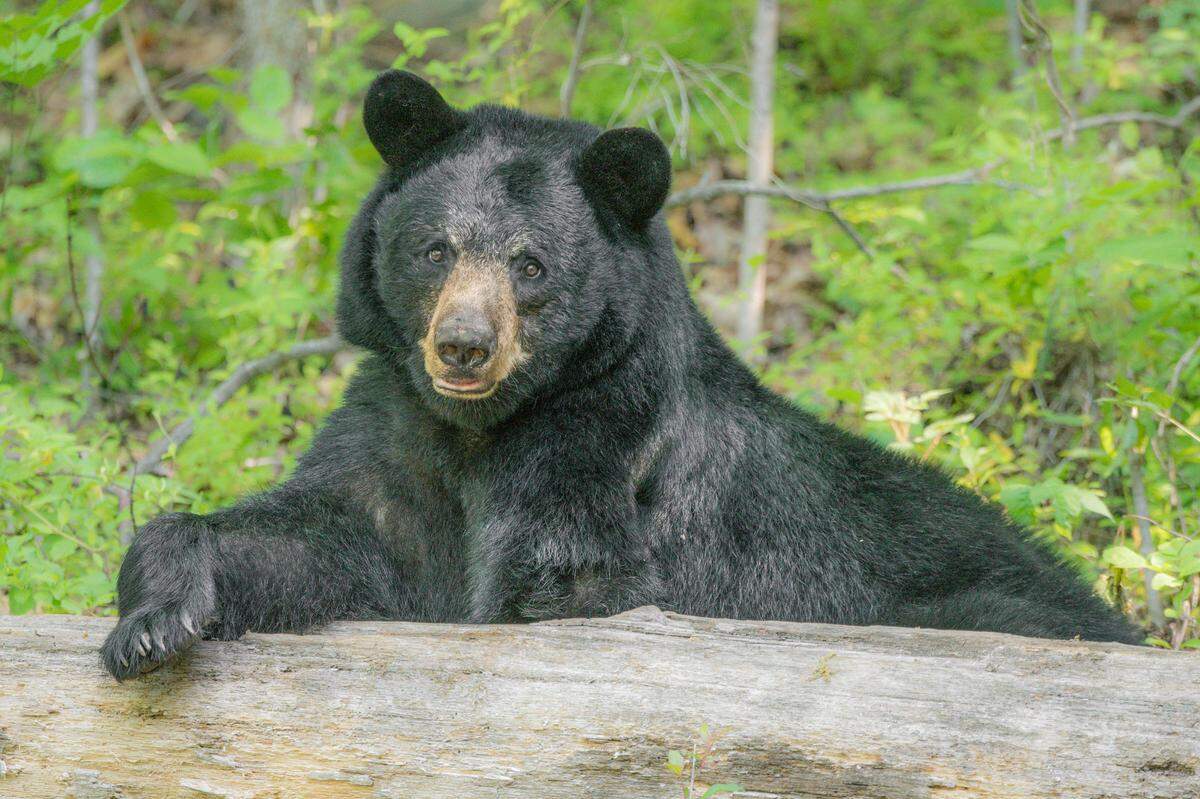
If a bear is in someone’s yard, remove any food items that may attract them for at least two weeks. This includes storing a bird feeder, keeping the garbage can in the garage and thoroughly cleaning a grill. If you have a dog and spot a bear, check for bears before bringing the dog outside.
Brantley encourages people to report their bear sightings to the SCDNR through its website. People can also find more tips on dealing with bears at BearWise.org.
While the large mammals can seem scary, black bears are often not aggressive and will leave if spooked. Shouting or making loud noise is enough to send a bear back into the forest. Be cautious when the bear has a cub or if they’re around food.
“When there’s a sow with a cub involved, just like any other mother, they’re going to become a little bit more protective,” Brantley said. “They show a little bit more aggression up front.”