
Alligator encounters rising around Myrtle Beach after Debby, wildlife remover warns. What to know
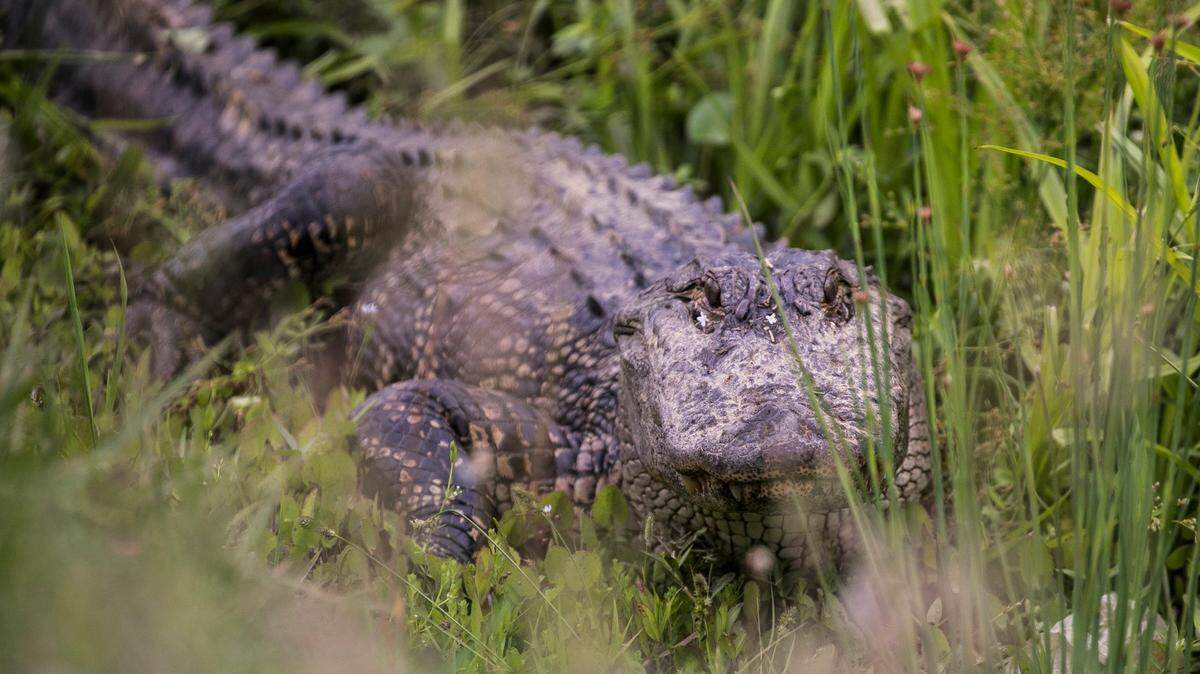
Russell “the Snake Chaser” Cavender operates a nuisance wildlife removal service around the Grand Strand area. Although he cannot remove alligators because he doesn’t have a permit from the South Carolina Department of Natural Resources (SCDNR) to do so, Cavender still receives calls asking for help with gators.
On Thursday morning, Cavender estimated that he’d received eight calls looking for alligator removal since Tuesday. In a normal week, Cavender says he typically gets “maybe one” call about gators. Next week, Cavender says, there will be even more calls.
“Mostly, I get [calls] after the storm, once the water starts to recede a little bit because what the water does is, it rises, especially rivers,” Cavender said. “It pushes the alligators up higher and then when the water recedes, where they are would be retention ponds or ditches or people’s backyards.”
Alligator encounters are more common closer to bodies of fresh and brackish bodies of water. While gators can walk, they generally prefer to travel through water. With flooding from Tropical Storm Debby, there’s more territory underwater to explore and travel than usual.
“We get reports of alligators in swimming pools or community ponds on a regular day, and so, during flooding times, those calls can sometimes go up just because the alligators are moving around a little more,” said SCDNR Alligator Project leader Morgan Hart.
After heavy rain, one alligator found its way to freshwater in a flooded area near a loading dock of a Publix Super Market on Wednesday. Pictures of the gator garnered attention on social media.
An alligator in your backyard can be an alarming sight. Here’s what you should do if you see one.
Keep your distance from the alligator
Gators that have moved to unusual areas after a storm will leave on their own, in their own time. Hart advises using common sense and giving alligators respect and plenty of space.
“Don’t approach them, don’t try to catch them, just let them move on. As the waters recede, they’ll go back to where they were originally,” Hart said. “They’re not going to start living under your porch.”
Cavender echoed Hart’s advice to remain calm and let alligators be.
“I tell people just to leave them alone. I mean, they are part of our natural fauna,” Cavender said. “They belong here, and these kinds of things happen.”
Under no circumstances ever should you feed an alligator. It is illegal and dangerous for you, the gator and everyone the gator will encounter in the future. Alligators are naturally frightened by humans and feeding one confuses that instinct. They will approach people for food in the future, which could require euthanasia.
Keep a safe distance from water
Alligator attacks are, “very, very rare,” Cavender said.
Still, taking precautions is the best way to stay safe.
Although alligators are naturally shy of humans, the animals do surge out of water along the bank to attack prey. So the SCDNR website recommends keeping a safe distance from the edge of water where a gator might be lurking.
“There’s a possibility of an alligator being in pretty much any fresh water source, so our advice is often just behave as if an alligator is there, even if you don’t see one, because they’re ambush predators,” Hart said. “They’re very good at hiding, and they usually will see you long before you see them and leave before you see them. They are generally scared of people.”
Keep an eye on your pets
Alligators don’t hunt on land but they can emerge from water very suddenly and quickly. Because pets like small to medium-sized dogs are similar to some foods in an alligator’s regular diet, like opossums and raccoons, owners should keep them on leashes at least 15 feet away from the edge of the water.
If you need help from experts
The SCDNR doesn’t relocate alligators because of the animals’ strong homing instincts. According to the department, gators will travel miles across highways and neighborhoods to get back home.
If an alligator is dangerous or has lost its fear of humans due to feeding, it cannot be relocated to an area without humans because that would upset the social structure of the gators already living in the area. Because of this, when an alligator is removed, it is euthanized.
“In cases like this where alligators are just in the wrong place at the wrong time, our first course of action and our first recommendation is just to give them time, because they will eventually move back to where they originally came from, or move on to another water body,” Hart said.
However, if you need immediate assistance, the SCDNR’s Operation Game Thief can help you figure out the situation. The program can be reached by phone at 1-800-922-5431.
Remember
If you do spot an alligator as Tropical Storm Debby moves away and flooding subsides, it will probably also just be trying to get back to its normal life.
“Alligators have been here for thousands of years. They were here before we moved here,” Hart said. “They’ve been weathering these weather events long before we knew what they were, and generally, if you stay away from them, they’ll stay away from you.”
This story was originally published August 9, 2024 at 6:00 AM.