Judge rules on North Myrtle Beach noise ordinance. What will the city do now?
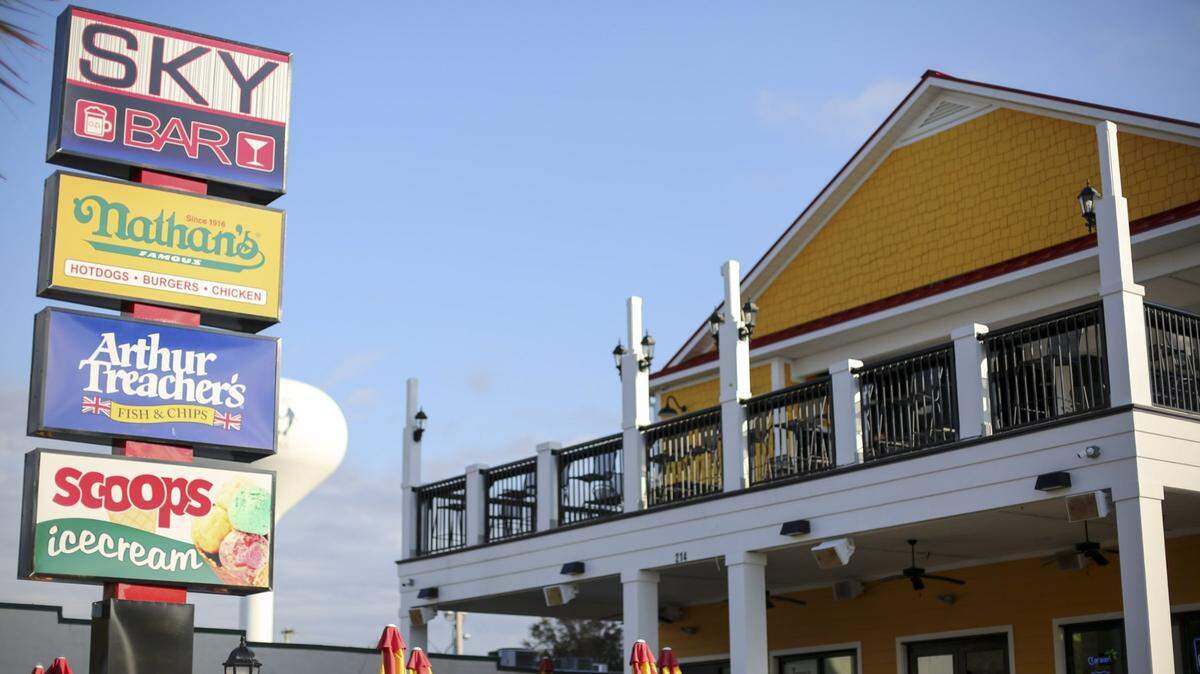
A judge has ruled in a North Myrtle Beach night club’s federal lawsuit, which claimed that the city’s noise ordinance violated its First Amendment rights.
SkyBar, located at 214 Main St., filed a lawsuit in U.S. District Court on July 5, 2022, alleging North Myrtle Beach’s October 2021 noise ordinance was too broad.
The judge ruled March 13 that the ordinance’s restrictions on “profane” language did indeed violate free speech, saying in the ruling that it was “unconstitutionally overbroad” and vague, according to court documents. However, the judge sided with the city when it came to obscene and vulgar language.
The city of North Myrtle Beach was to meet in executive session Monday night to discuss the lawsuit and judge’s ruling. It did not make a decision regarding the suit.
“The city is pleased that the federal court ruled in its favor on two of the three challenges to the ordinance brought by the ACLU on behalf of the plaintiff,” according to an emailed statement from city spokesperson Lauren Eckersley.
“In this order, the court grants summary judgment to the city and upholds the provisions of its noise ordinance ... which regulate obscene and vulgar sounds being broadcast into public spaces at certain times and levels,” the statement said.
It’s unclear if the council will decide to alter the ordinance based on the judge’s ruling.
Bar owner Michael Moshoures, who is being represented by attorneys from the state American Civil Liberties Union chapter, named North Myrtle Beach, Mayor Marilyn Hatley and Police Chief Dana Crowell and former chief Tommy Dennis in the suit.
Meredith Dyer McPhail, one of Moshoures’ attorneys with the state ACLU, said Monday that the judge’s ruling changes what the city can and can’t enforce.
“To anybody else in North Myrtle Beach, the city can no longer enforce the broadest part of the ordinance of profane speech,” McPhail said.
The ACLU is considering appealing the ruling on the obscene and vulgar portions, McPhail said.
The U.S. Supreme Court established a test that judges and juries use to determine whether matter is obscene. It includes whether the average person finds that the matter appeals to prurient interests, describes sexual conduct in an offensive way and that the matter lacks serious literary, artistic or political value.
Moshoures’ suit stems from incidents in which police entered the bar and forced a DJ to stop playing music multiple times, according to the suit. Music played by the night club includes songs that could be considered profane language.
The city’s ordinance prohibits the use of sound equipment to broadcast obscene, profane, or vulgar language from any commercial property, private property, public right-of-way or city property in excess of 30 decibels from 7:01 a.m. to 10:59 p.m., the noise equivalent of speaking in a whisper, and 50 decibels from 11 p.m. to 7 a.m., roughly as loud as a normal conversation.
The SkyBar is open from 8:30 p.m. to 2 a.m. Friday and Saturdays, according to its website.
The ACLU believes the ordinance was targeted at the music the bar played. That music includes such genres as top 40 dance, club music and R&B.
McPhail said since music is an artistic value, “we don’t think the ordinance can be lawfully applied to music.”