Can you legally not pay your HOA? Here are the laws that govern HOAs in SC
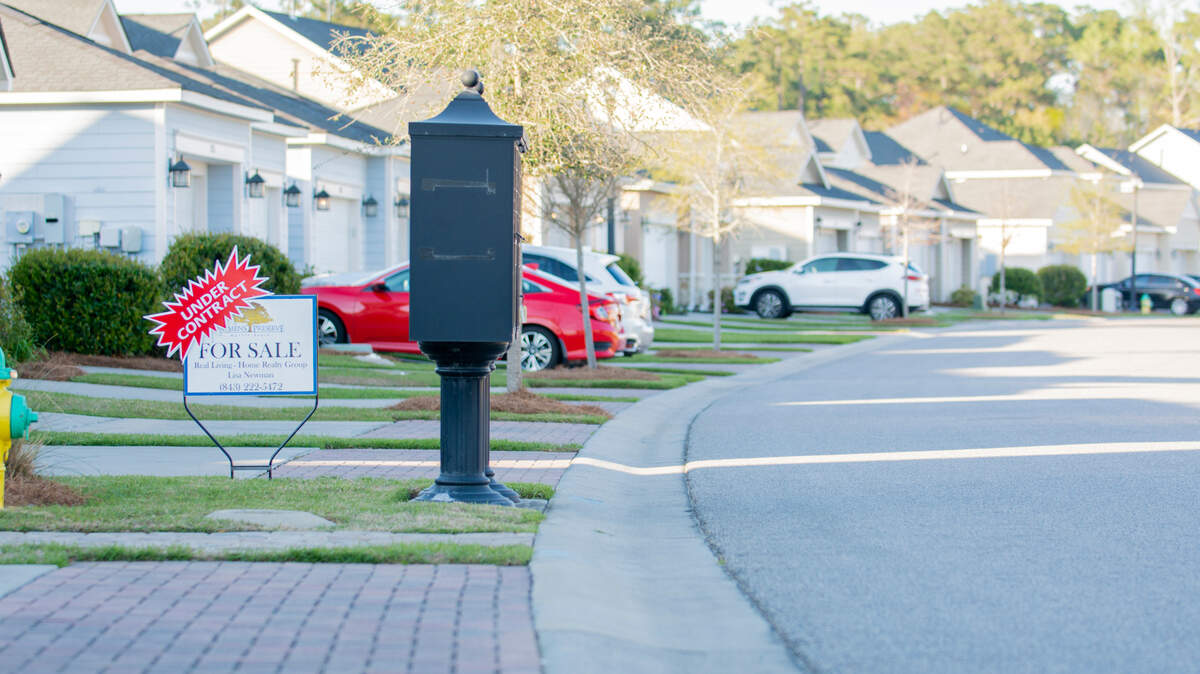
When buying a home you often have to join a homeowners association and deal with the subsequent fees, rules — and drama — that comes with it.
Typically HOAs require property owners to pay fees to maintain the neighborhood and its amenities, such as parks and swimming pools. This could be a quarterly or annual payment with additional fees added on for problems that arise, such as storm damage.
Read up on your neighborhood’s HOA laws to make sure the board, and yourself, are following the rules.
You have to pay your HOA fees — or you could face foreclosure
If a resident cannot or refuses to pay HOA fees, the HOA has the power to foreclose upon a home. This is a last resort measure. Before foreclosing upon a home, an HOA may take away privileges for neighborhood amenities, add a late fee or file a lawsuit or lien on the property.
A lien means an individual cannot transfer the property to someone else until they pay off a debt, according to The South Carolina Department of Revenue. By securing a lien, the HOA could foreclose on the house if the homeowner continue to not pay dues.
HOAs are able to require payments by including a covenant on properties. When a person buys a house with an HOA covenant, they are legally required to pay HOA fees, Make sure you can afford HOA fees before purchasing a house.
HOAs have to provide transparency
The South Carolina Homeowners’ Association Act requires HOAs to register their governing documents with the local government. This means recording this documents with the clerk of court’s or the county register of deeds office.
If rules change, the HOA must update these documents by Jan. 10 of the following year. If HOA board members do not document new bylaws with the local government, they may not be enforceable.
Also, HOA rules must be easily accessible to residents. HOAs must put the rules in an easy-to-find commonplace, on its website or send a copy of the rules when a homeowner requests it.
Many HOAs are nonprofits, but if an HOA is not incorporated under the South Carolina Nonprofit Corporation Act, it has to follow the Homeowners’ Association Act when increasing the budget.
HOA leaders must give notice about a budget increase meeting at least 48 hours ahead of time. This can include putting up signs, sending out an email or posting on the website about the meeting.
What to do if you have problems with your HOA
First, understand that an HOA is a legal entity and must be in compliance with local, state and federal laws.
If you have a dispute with your HOA, start a conversation with its board members. This is the easiest solution and can prevent you from having to hire a lawyer or involve government agencies. You can also check documents to see if your HOA has a way to formally file a complaint.
You can also get involved in the HOA board voting. You can either vote for the people who best support your interests or you can run for the board. Before running, make sure you meet the qualifications for HOA board, such as being apart of the association and having paid your dues.
Lastly, you can turn to the South Carolina Department of Consumer Affairs or the magistrates court. The South Carolina Department of Consumer Affairs offers mediation for homeowners and HOAs to resolve issues.
If there’s a monetary dispute, the homeowner must go through magistrate court. In order for the court to take it on, the dispute must involve less than $7,500, according to the law.
This story was originally published January 16, 2024 at 6:00 AM.