‘It really took everything I loved’: Woman faced sex exploitation, drugs in Myrtle Beach area
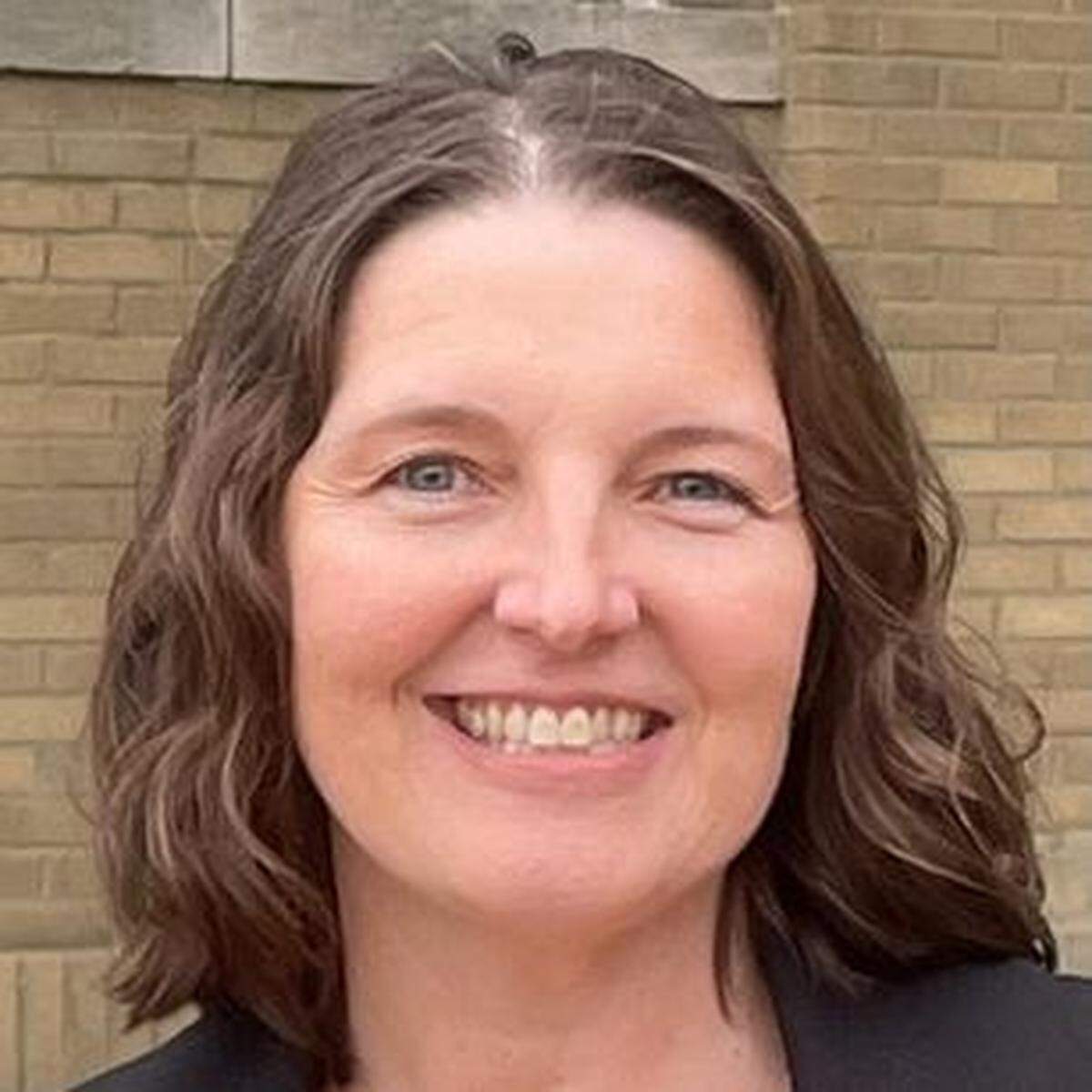
Desiree Demos would have just been released from prison this year if she hadn’t been given a second chance.
Living as a transient up and down the East Coast, Demos was homeless and addicted to methamphetamine when she ended up in Myrtle Beach more than five years ago.
Her substance abuse, coupled with mental health issues, landed Demos in and out of jail, as well as relying on others who exploited her for sex.
She would often tell herself that she was going to start over, but “starting over was never really an option,” Demos said.
“It really took everything I loved,” Demos said of her drug addiction.
It wasn’t until May 2019 that she would be given a real chance to start over. After having been arrested again, Demos was given the option of going to prison for five years or entering into Horry County’s drug treatment court program.
The 40-year-old graduated from the program in May 2020. She spoke by video Aug. 30 to nine graduates, the latest group to complete the program, about how her life has changed.
The graduates are among more than 750 who have completed the program since it began 18 years ago, according Candy Townsend, treatment court director.
The treatment court, which also includes a mental health program, started in the 15th Circuit Solicitor’s Office in 2005. Participants undergo a rigorous program that requires a commitment of 9 to 18 months.
It’s not for first-time offenders, but for those who have been in and out of the system, like Demos, Townsend said.
“Those are the clients we try to get,” she said. “The program is so long and so heavy in treatment, it works best for people who really need it. Not for someone who has had one offense.”
‘You literally start seeing hope come back into their eyes’
In January, the program looks at the department of corrections records of those who have gone through the program five years prior. It is an effort to find out how many participants have re-offended, Townsend said.
For the 2018 graduates, the recidivism rate was 15% had felony level convictions, 30% misdemeanor and 70% remained conviction free, she said.
“I feel that is successful,” Townsend said.
Townsend said that a high percentage of crimes are directly or indirectly related to substance abuse. While a person may be arrested for breaking and entering, the reason behind the crime may be to support an addiction, she said.
The average number of arrests for a graduate is 14, Townsend said.
The program is funded and operated through the Solicitor’s Office and is a licensed treatment facility that provides licensed therapists and peer support specialists.
The program requires participants to have housing, transportation and drug and alcohol testing two to three times each week. Townsend said there is housing assistance provided, as well as bus tickets and vouchers.
It is up to the participants to complete the requirements. If they don’t, they will go back to jail and serve the sentence they were given.
But if they are able to complete the program, the Solicitor’s Office will dismiss the conviction from the graduate’s record.
“It really gives them a true second chance, if they put the work in,” Townsend said. “I’ve been able to see people make real changes. If they are ready and willing for it, it’s a lot of work.
“They have lost hope that anything can be different. … You literally start seeing hope come back into their eyes.”
Given a second chance
Demos was given the J. Gregory Hembree Award. The award is for a client who has graduated from the program and gone on to excel, Townsend said.
Demos now lives in Massachusetts and is the vice president of operations for Living in Freedom Together, a survivor-led nonprofit that works to end the systems of prostitution and sex trade.
Demos said it was through drug court that helped her get the job.
Demos faced sex exploitation during the time she was homeless, often spending three to four days without a place to go. She never realized she was a victim of the sex trade until she began working for the nonprofit, she said.
“I thought these were choices I was making. It’s what I had to do, to get places to stay,” Demos said. “Prostitution is the choice for the people with the fewest choices. As a girl you don’t dream, ‘Oh, I’m going to let people pay for your body.’ It’s just something that happens. That’s why I’m passionate about this.”
Demos now has been reconnected with her son, who she was away from during her incarceration, is a homeowner and employed. She says it’s the stuff she dreamed of as a kid.
She wanted to show others in the program that they can do it as well.
“I could have never imagined that I thought my life would be this good,” Demos said. “I think it’s wonderful I was given that second chance.”
This story was originally published September 7, 2023 at 6:00 AM.