Horry zoo to close permanently after federal suit. Attorney says settlement not an admission
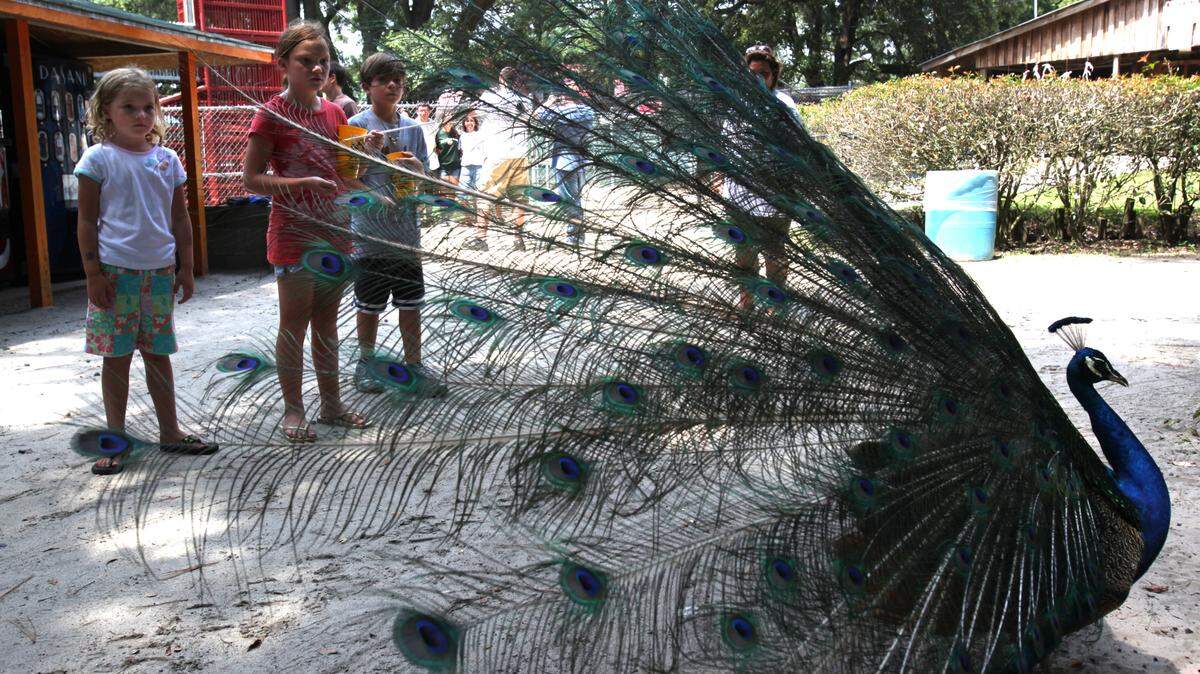
An Horry County zoo has reached a settlement in a federal lawsuit filed by the People for the Ethical Treatment of Animals.
The settlement, according to a Thursday press release from PETA, includes the permanent closure of Waccatee Zoo and bans its operators from owning or exhibiting wild or exotic animals, breeding domestic animals or exploiting them for profit or working or volunteering at other roadside zoos.
Reese Boyd III, attorney for the zoo and defendants in the case, confirmed Thursday that a settlement had been reached.
Boyd confirmed that the facility would be closed, as well as that the defendants would not work in roadside zoos in the future.
Boyd said that although his clients were willing to agree to the terms, it’s not an admission “to the exploitation of animals in their care.” He said PETA made several allegations in the complaint that were “factually untrue.”
Boyd said because the federal Endangered Species Act is so broadly written, it gives private agencies, like PETA, “a great deal of authority and power,” and becomes extremely expensive, adding to hundreds of thousands of dollars in legal fees, for a small business to respond to effectively.
Boyd said the settlement was a “prudent” financial matter for his clients.
The lawsuit filed in April 26, 2022, accused the Waccatee Zoological Farm, located in the Socastee area, of being “one of the worst roadside zoos in America.” The zoo had an exhibit of more than 460 animals of various species, many that were deprived of appropriate veterinary care and suffered from chronic neglect, the suit says. An endangered tiger named Lila died at the zoo.
The national animals rights group earlier this year rescued nine captive animals from the zoo that were transferred to The Wild Animals Refuge in Colorado, the release said.
“This victory blocks Waccatee’s operators from ever again mistreating wild animals as they did for decades,” says PETA General Counsel for Captive Animal Law Enforcement Brittany Peet in the release. “PETA is delighted to see the survivors thriving in their new sanctuary home and will continue to ask everyone to help us advocate for all animals still trapped in roadside zoos by never patronizing such operations.”
The suit was filed under the federal Endangered Species Act and South Carolina’s public nuisance law.
The zoo closed last year after 34 years of being in operation.
In addition to the federal suit, the United States Department of Agriculture also fined the zoo $7,800 for six alleged federal Animal Welfare Act violations.