
Downtown Myrtle Beach theater plan clears first hurdle as $12M rehab awaits
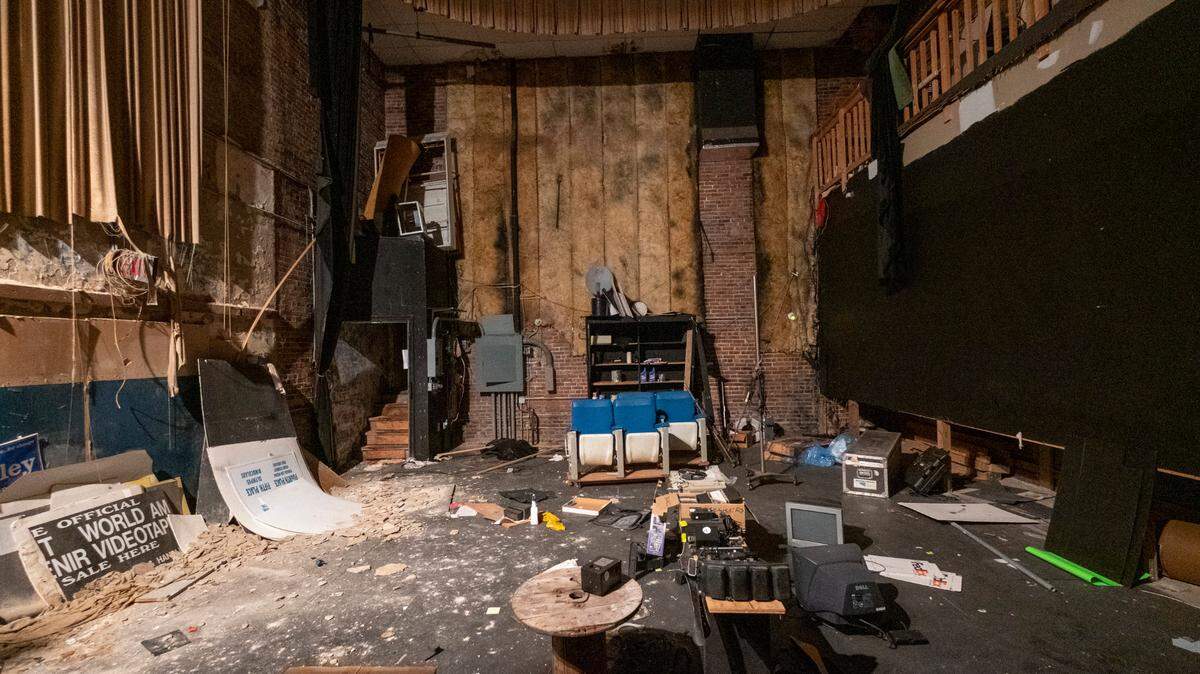
A planned downtown performing arts venue seen by Myrtle Beach leaders as an anchor for its arts and innovation district cut through its first layer of red tape July 20.
While the community appearance board’s review of a building application for the 809-811 Main Street project was a routine step, it’s a symbol of progress for a venture that officials say could reshape the city’s cultural landscape.
“We’ve been talking about this particular iteration for a while now. The city is still working with CCU on an agreement for use/management of the theater,” city spokesman Mark Kruea said.
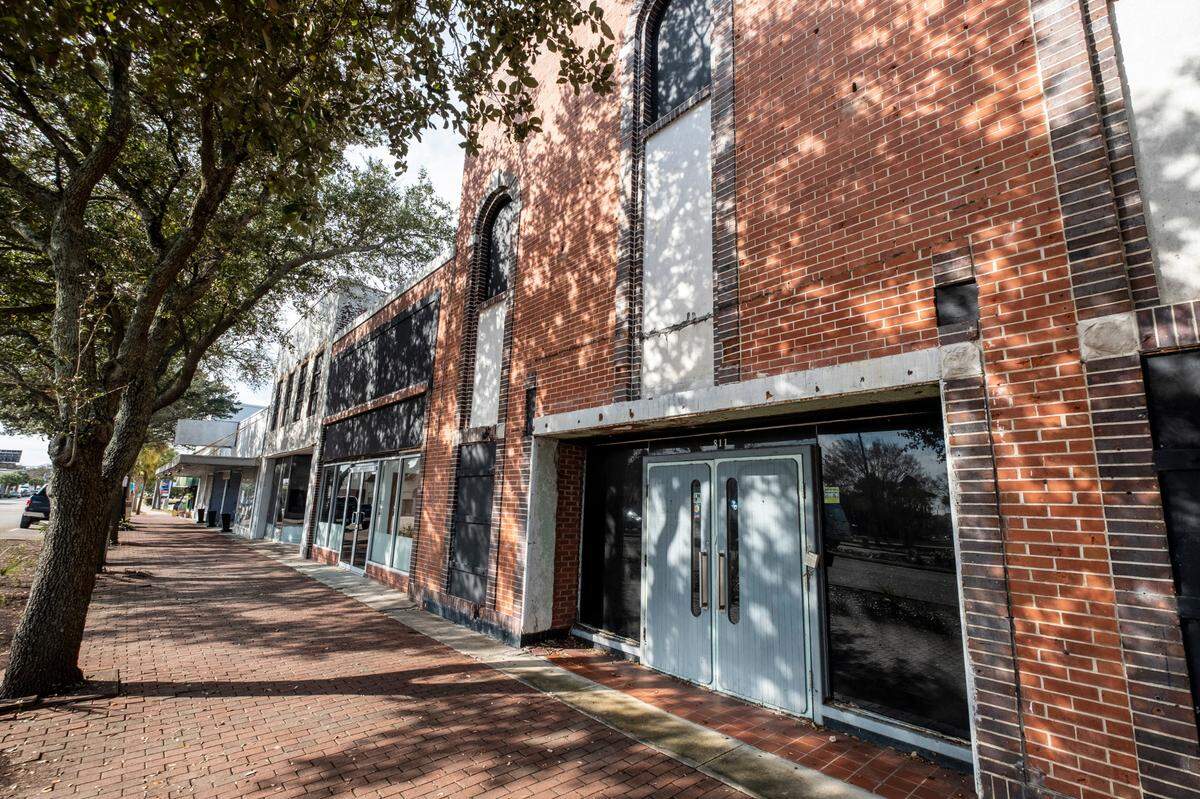
The $12 million renovation of a former dress shop that once outfitted beauty queens along with two other connected buildings into a 300-seat theater is being developed in conjunction with Coastal Carolina University.
In addition to the nearly 3,000-square-foot stage, the facility will have a 35-seat multipurpose room, an outdoor patio and large lobby area with room for 250 people.
“The theater will be the first arts venue in the new ... district. I am so thrilled that we are moving along quickly with what will become a great asset for our community,” Mayor Brenda Bethune said. “We’re bringing three historic buildings back to life, which will reinvigorate our entire downtown.”
A fully operational downtown playhouse could be used up to 360 days a year and bring in revenues surpassing $1.3 million within a decade, according to a March market analysis by New York-based consultant Webb Management.
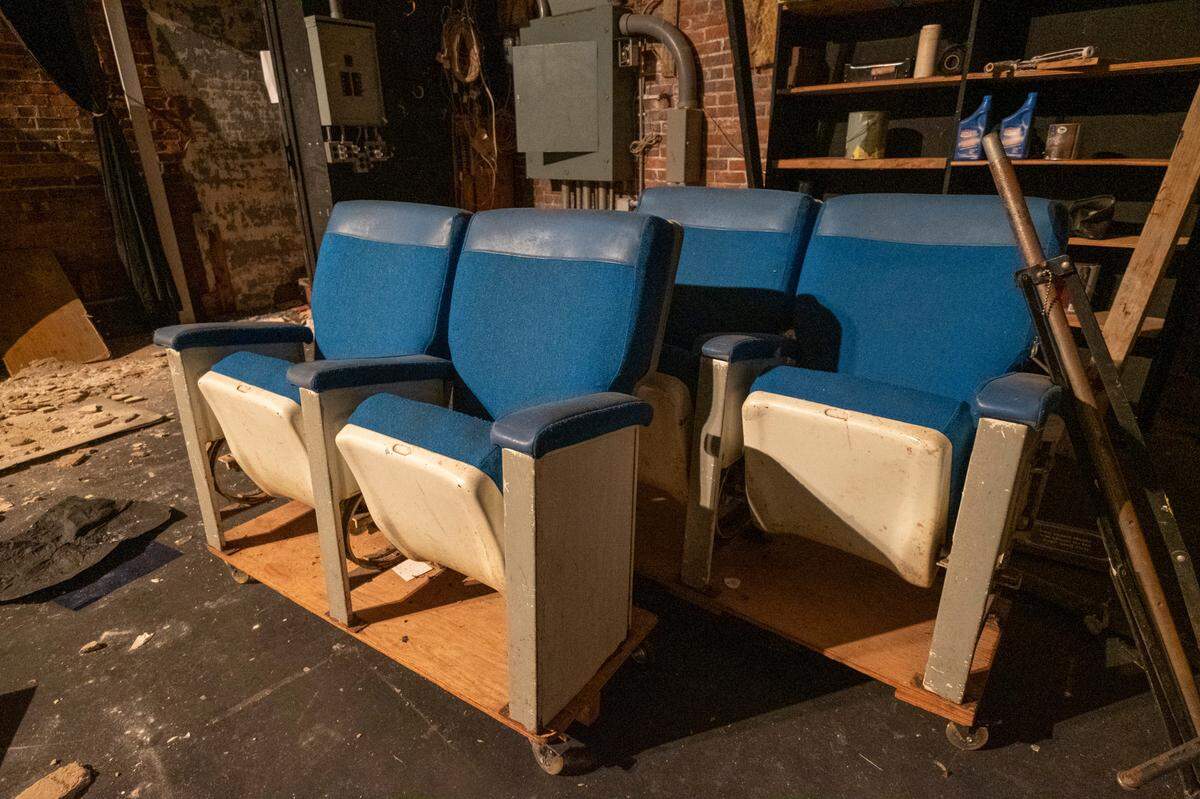
By its third year, the theater could draw an audience of more than 31,000, Webb consultants said.
Documents submitted last week to the city’s review board show the theater, when complete, will include many features harkening back to its original use and design, including:
- Original cabinets and stairs
- Original flagstone
- Updated concession stand inspired by original 1950s design
- Retractable awning
- Centrally located ticket booth
- Tiled canopy and windows to match original design
The city is investing heavily in its vision of a new downtown
According to city budget documents, more than a dozen projects planned for the arts and innovation district could be financed through more than $370 million in long term debt through 2028, although the figure may come down significantly as grants and private sector partnerships develop.
In the 2023-24 fiscal year that starts July 1, $17.4 million worth of activity is slated within the district .
Historic tax credits will cover some of the costs.
Rounding out the funds set aside next year for arts and innovation district projects are:
- $2.21 million for a new downtown library campus
- $1 million for development of a Rails to Trails line
- $1 million for a new parking lot at the city’s historic train depot
- $400,000 to start a contingency fund for overall development costs
The city is already carrying nearly $165 million worth of long-term debt, with some payments running as far out as 2042.