
Voting in person? Don’t try any ballot selfies or fall for exit polls.
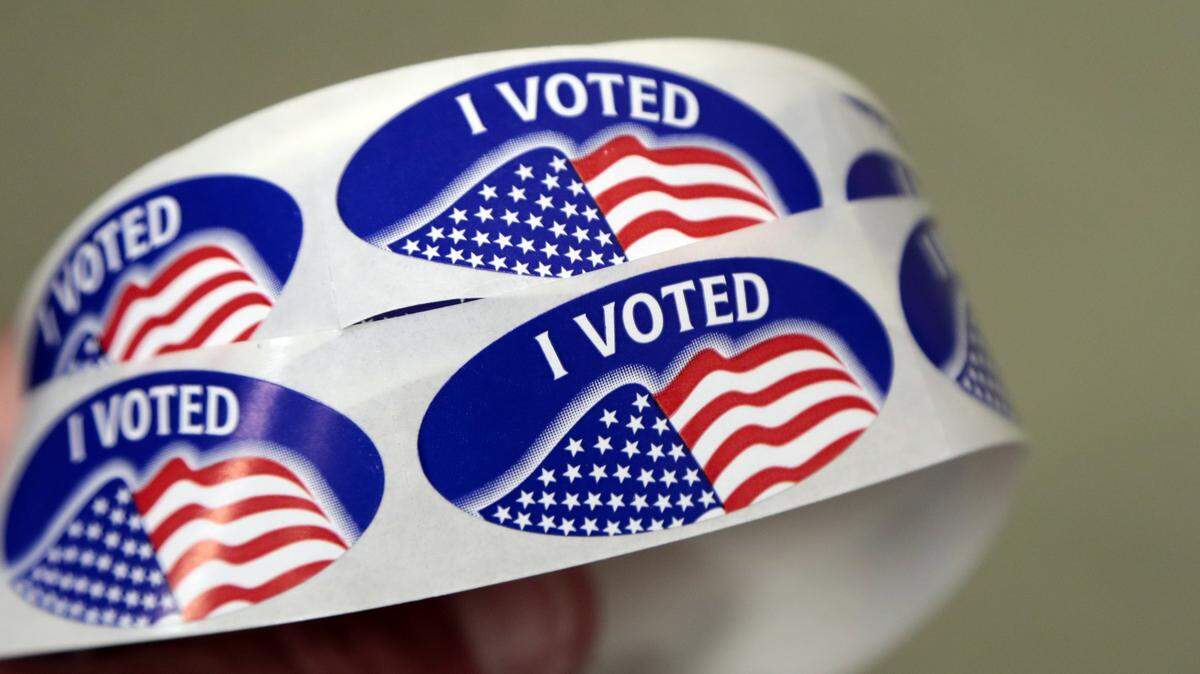
Nearly a half million people across South Carolina have already cast midterm ballots during the state’s early voting window, helping to decide on the next governor, superintendent of education and legislative seats in Columbia and Washington.
As of Nov. 3, just more than one percent of the state’s 3.3 million registered voters, or 438,023 people, have already hit the polls, according to S.C. Election Commission data.
By comparison, just more than 100,000 people voted early during June’s primary. Early voting ends Nov. 5.
For those waiting until Tuesday, here’s a rundown of all you need to know about what to expect at your Horry County precinct. Polls are open from 7 a.m. to 7 p.m.
Check with state and local election officials if you’re confused about where to vote
The S.C. Election Commission is the best resource for up-to-date information about a person’s voting precinct. Unlike early voting, which allowed people to fill out a ballot at any one of several locations, waiting to do it in person means going through a home precinct. SCVotes.com allows people to check their registration status which provides information on where they need to go to cast a ballot.
Need to update your information? You can do that online through the S.C. Department of Motor Vehicles using a valid driver’s license or state-issued ID card.
When voting in person, you will be asked to show one of the following:
- SC Driver’s License
- SC Department of Motor Vehicles ID Card
- includes SC Concealed Weapons Permit
- SC Voter Registration Card with Photo
- US Passport
- Federal Military ID (includes all Department of Defense Photo IDs and the Department of Veterans Affairs Benefits Card)
Keep the cameras and campaign materials in your car
It’s illegal under South Carolina law to snap a selfie or otherwise photograph their ballots — and has been since 1962. Other no-nos:
- Taking, removing or attempting to remove a ballot from a voting site before the close of polls
- Marking ballots that make its creator identifiable
- Taking any type of mechanical device inside an election booth that allows for ballot marking
- Lingering at a voting location
- Interfering with any voter inside a polling place or attempting to mark their ballot
- Unduly influencing or attempting to influence voters in the preparation of their ballot
- Showing voters how to mark a ballot
- Aiding or attempting to aid a voter through use of a mechanical device to mark a ballot.
Violators are subject to fines of up to $100 or up a year in prison. Campaigning and political signage of any sort is not allowed within a precinct, though candidates are allowed to speak with people as long as they aren’t trying to influence a vote or interfering with election processes.
However, political signs and open campaigning is allowed as long it’s at least 500 feet from the site of a polling place. It’s also important to remember neither state nor county election offices conduct exit polling.
South Carolina’s voting system isn’t connected to the internet
“Computers used to tabulate votes, ballot marking devices and ballot scanners used in South Carolina are not even capable of being connected to the internet,” the S.C. Election Commission explains on its website.
Members of the public are free to watch the voting process at any location, while candidates and political parties can appoint poll watchers of their own. They’re also allowed to watch ballots and election equipment be returned once polls close.
“Any successful election system strikes the right balance between security and accessibility while also ensuring the public’s trust in that system. Keeping this balance is not easy, but as the state’s election officials, it’s our job to ensure our elections are accurate, secure, accessible, and credible,” S.C. Election Commission executive director Howard Knapp said in the introduction to his agency’s fall 2022 election integrity guide.
Election results are always unofficial until local and state officials review and certify them, but tallies are kept through the state Election Commission website as updates arrive from county offices.
Results are also reported locally at each polling place and at county elections offices.