SC woman gets rare video of ‘gorgeous octopus’ in coastal tide pool. Here’s what she saw
Heather Leon has made the same walk through Cherry Grove Point in North Myrtle Beach dozens of times, but her visit last week came with an unusual surprise.
“I was taking a walk with my mom when another lady walked up to show us some starfish,” Leon said in an email. “She pointed in the direction she had come from and said she saw a red squid. We went to check it out and saw this gorgeous octopus! I was so thrilled to be able to see it. It was truly a once in a lifetime experience.”
Leon had run across a common octopus, said Juliana Harding, a professor of marine science at Coastal Carolina University.
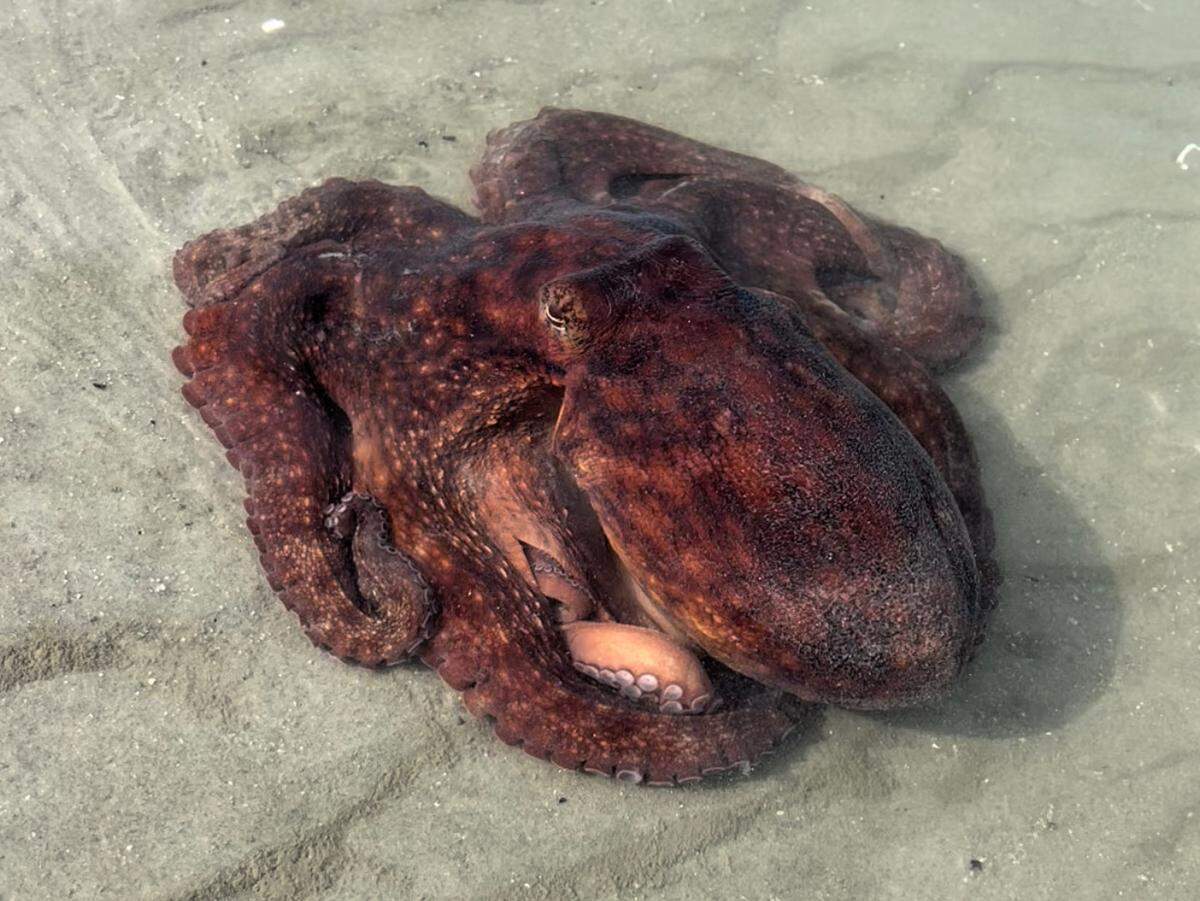
While its name might say that it’s “common,” finding an octopus that close to shore this time of year is actually quite rare. Octopuses are bottom-dwellers, eating mostly crabs and bivalves like clams and oysters, so they don’t typically spend much time swimming along the beach, Harding said.
“It’s nice to know that we have octopus that are that big and that close to shore. It’s a good sign for the overall ecosystem because they’re supposed to be here and they’re supposed to be a player in it,” Harding said.
The day Leon ran across the octopus — whose scientific name is Octopus vulgaris — was particularly warm, however. The highs were in the mid to upper 60s, so Harding said the octopus had likely moved into the shallows to sun itself and maybe take a nap. Harding said the octopus had likely been eating nearby in Hog Inlet before Leon saw it.
“My guess is that it was out for a stroll,” Harding said. “In the winter, when the water is cooler, they go deeper. So having that warm water last Thursday, it probably was exploring and coming inland or on shore for the first time in a while. It probably was just like, ‘Wow, this feels really good. I’m going to take a nap.’”
Cherry Grove Point is also usually a less crowded area of the beach, so Leon just happened to be at the right place at the right time, with the perfect weather conditions, for this discovery, Harding said.
Leon was able to take several videos and photos of the octopus before it swam away.
“It was amazing. I mean, just an incredible experience,” Leon said. “It seemed very curious. It didn’t feel like it was afraid. It came right up to me, and that was after I had been walking with it for a couple of minutes.”
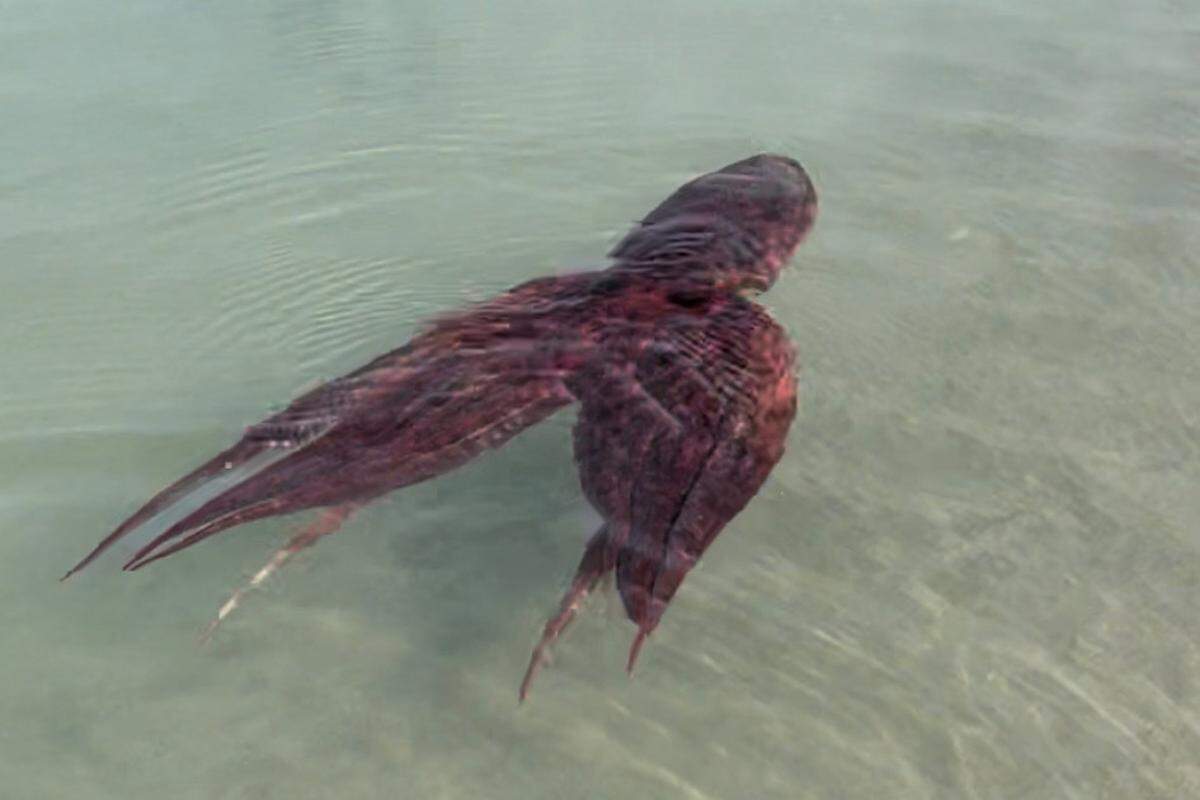
The octopus was about 2 feet long, which Harding said likely meant it was nearing the end of its life. Common octopuses typically live up to two years.
Not only was it unusual to run across an octopus like Leon had, but Harding said she was surprised that the creature wasn’t camouflaged at all. Like all cephalopods, she said, octopuses have the ability to change their color and texture. The octopus easily could’ve mimicked the color of the sand below.
“He probably just got caught and surprised. He was probably honestly sort of embarrassed,” Harding said. “Because he would camouflage” normally.
Most of the time, Harding said, “Octopus are just terribly smart. Besides being good at camouflage, they are very clever in terms of opening prey.” Frequently, people in her field hear stories of octopuses sneaking out of their tanks and slithering into others to help themselves to a snack of other sea creatures.
Despite having been a marine scientist herself for more than two decades, Harding said she’s never been lucky enough herself to run across an octopus in the Grand Strand. One of her specialties, malacology, is the study of invertebrates like clams, octopuses and squid.
“I wish I could see one in person as a malacologist. The tide would come in and I would still be wanting to stay there and watch,” Harding said. “They’re terribly cool.”
This story was originally published January 28, 2022 at 10:21 AM.