
‘It’s going to change a lot’: Myrtle Beach mom buys home after losing job in pandemic
For years, 6-year-old Tanner Ray has been asking his mom when they can move into their house.
After nearly three years, her answer has finally changed.
“Dude it’s almost here, I promise you, it’s almost here,” Kimberly Miller tells her son.
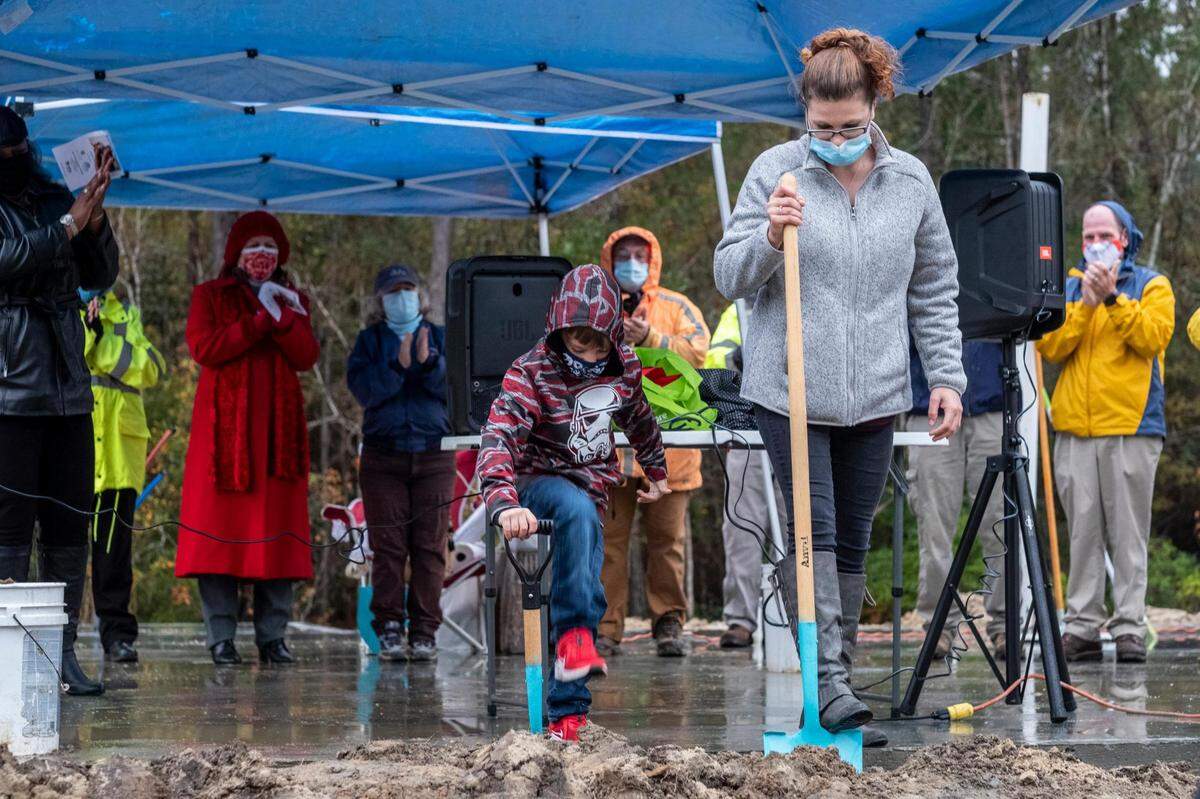
Now, Tanner can see the progress for himself. Construction workers have laid the foundation, and Tanner and his mom ceremoniously dug shovels into the ground and helped raise a wall for the home Wednesday.
Paying for housing after losing job
Miller says she pays nearly $1,200 per month to rent a Myrtle Beach apartment, but through a Habitat for Humanity of Horry County homebuyer program, she will own a Conway home in a few months.
“It’s going to change a lot,” she said. “[We can’t afford] just little things, and it sucks, it’s horrible for [Tanner], but that’s just kind of life at the moment. But not for long.”
Expecting to move in next April or May, Miller said she looks forward to saying “yes” to her son when he asks for a $5 toy or a Happy Meal. Saving on rent, they’ll use that money go to the movies, or hang out at the water park in the summer.
She also will start paying back her parents, who have given her loans through the years. At the beginning of the pandemic, Miller had her hours at a local daycare center slashed from 40 hours a week to just 10. Shortly after, she lost that job. Then her car was damaged, and the expenses piled up.
“It was scary,” said Miller, who has since gotten a job at Walmart. “I remember calling my dad just in tears ... I don’t know what I’m gonna do.”
New home a long time coming
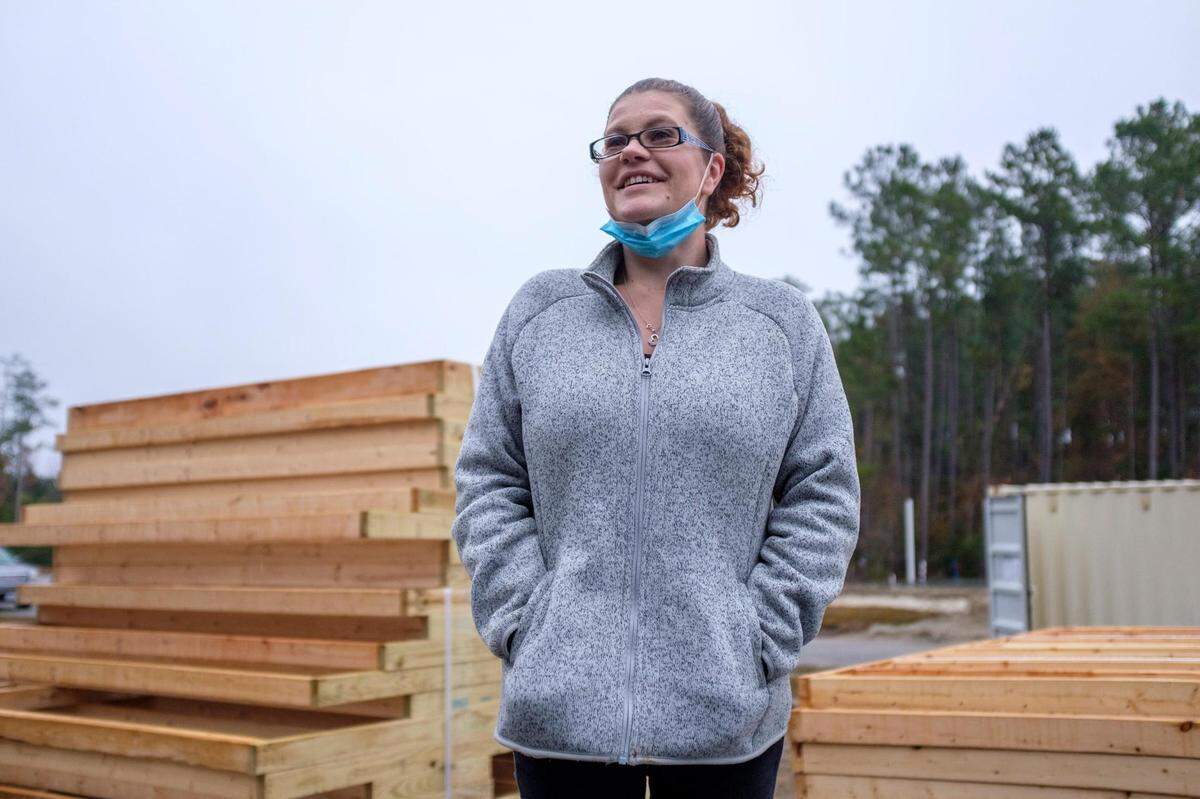
Miller applied for the homebuyer program in 2018 after her mom, Sondra Ray, talked to a former Habitat for Humanity employee she knew through church. She pushed her daughter to apply.
“Kimberly does not have a lot of money, she works hard for what she does have,” Ray said about her daughter, adding that apartment prices in the area are “out of this world.”
Miller isn’t alone in spending much of her income on rent. In Horry County, a person would have to make $19.17 per hour to afford a two-bedroom apartment without being “cost-burdened,” or spending more than 30% of their income on housing. Minimum wage in the county is $7.25 and the mean wage is $11 per hour, according to a 2019 needs assessment report by South Carolina’s housing authority.
How does the homebuyer program work?
The Habitat for Humanity of Horry County program is available for people who meet certain qualifications. They must show a need for better housing, credit scores and an ability to pay a mortgage. Applications are open twice a year.
They also must be willing to work with Habitat for Humanity. Dubbed “sweat equity,” program participants give their time and energy to help build their home and others.
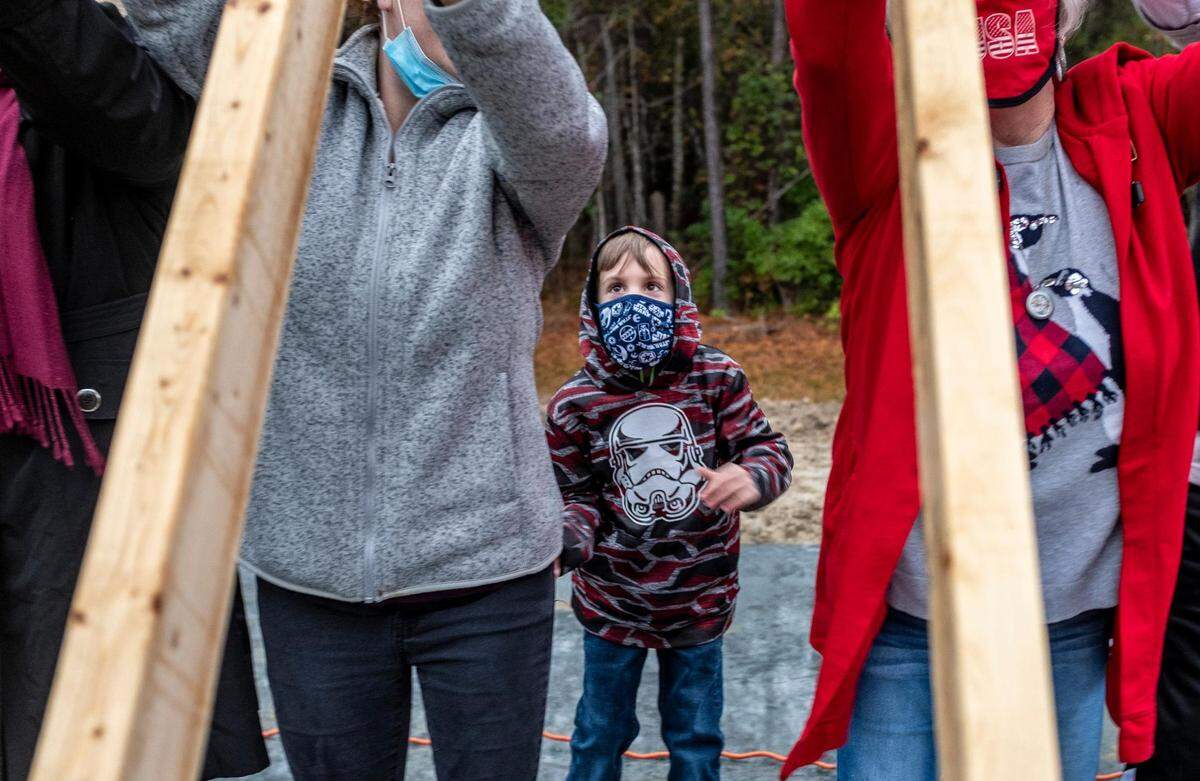
“I’ve learned so much about myself, like pushing myself, doing things that I never would have thought,” she said about the program. “Like painting? [I thought] I can’t paint. But yes I can, yes I can. [I thought] I can’t caulk something, I can’t put down sod, I can’t … yes I can, cause I’ve done it.”
Habitat for Humanity of Horry County Executive Director Jason Greene said the organization is working to shorten the wait time between being accepted to the program and moving into a home. While people like Miller have waited three years, the goal is to make it closer to 18 months, but it’s important to allow people time to save for the cost of the mortgage and closing, he said.
Habitat for Humanity works with Horry County and Publix to secure funding for the program. Miller’s home will be in a neighborhood completely made up of other Habitat for Humanity homes, many of which are part of the homebuyer program.
The organization received a $150,000 grant from Horry County this fall to continue building homes in the area. The initial plan was to build three homes, but the organization now intends to stretch the funds and build five homes, according to family services director Michelle Morgan.
‘They don’t see the struggle’
While addressing a crowd at the groundbreaking, Morgan said it’s important to keep in mind the process of becoming a homeowner, not just the ceremony.
“People see the groundbreaking and the wall raising and the ribbon cutting, but they don’t see the struggle,” she said. “They don’t see her car just went out, they don’t see that during the pandemic she lost her job, they don’t see that no matter what she has to fight through it.”
After years of waiting, Miller and her son are looking forward. He’s most excited about the driveway, so he can ride his bike and play.
“And my kid is so excited about the driveway,” Miller said. “That’s gonna be his favorite thing: not the house, the driveway.”
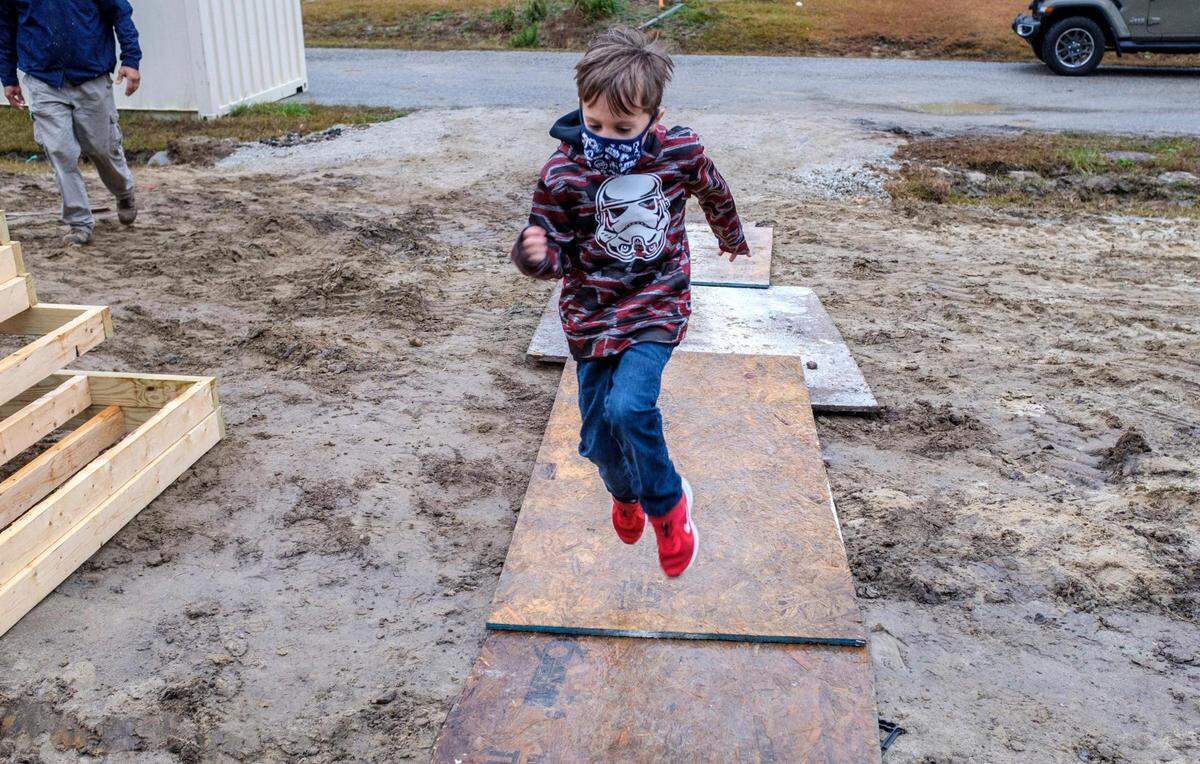
Fantasies of a home of their own are starting to become actual plans and visualizations. Tanner was tasked with picking out the color of the shutters, Miller said. He picked red, so red it is.
At the groundbreaking ceremony, Miller said she fought tears while listening to the presenters speak.
“The opportunity just to have a house, you have no idea what that’s gonna mean,” she said.