Larry W. Paul, driver of Horry growth and namesake to Living History Farm, dies at 78
Larry Wayne Paul, the namesake of the Horry County Museum’s L. W. Paul Living History Farm, and a man who was an early driving force behind Horry County’s growth, died Dec. 5. He was 78.
Through his work, Paul touched and shaped many people’s lives, even if they didn’t realize it, his friends and family said. As his home building business grew — L. W. Paul Construction Company — many people might not even know that they were living in a home he designed and built. At the peak of his business, he told colleagues he was able to move one family into a new home every day, five days a week.
Paul died on Saturday, though a specific cause of death wasn’t known. Later in life, he battled non-Hodgkin’s Lymphoma and heart issues. His family will receive friends at the Goldfinch Funeral Home starting at 4:00 p.m. on Friday. His funeral will be held at the First Baptist Church in Conway at 11 a.m. on Saturday.
He’s survived by four siblings, along with his children, Tiffaney Paul McDowell, Charles Edward “Eddie” Paul and Larry Paul II, three grandchildren, and one great grand-child.
From farmer to home builder
Born on a sharecropping farm near Pauley Swamp in Conway, Paul’s father eventually purchased land his parents used to own and farmed it as Paul and his siblings grew up. They grew tobacco, corn and soybeans, allowing the family to feed Paul and his four siblings and earn a living. His father later worked as a carpenter and taught the trade to his son.
An entrepreneur throughout his life, Paul started his first business venture young.
“When Larry was just a young boy, he talked his dad into buying him some chickens, he was going to raise chickens,” said Millie Paul, his sister-in-law. “He sold eggs to the Red and White in Conway. He started learning how to make money early. Larry was always a hard worker and his mind was always going.”
He started a weekly egg route, selling a dozen eggs for 50 cents to each customer. A family friend bought the rest for 33 cents a dozen.
“He took that work ethic he learned on the farm and applied that wholeheartedly,” said Walter Hill, the director of the Horry County Museum, who Paul worked closely with later in life.
After he graduated from Conway High School, Paul began his career, first as a HVAC repairman. When a friend asked him to price out how much it would cost to build a home, he crunched the numbers. That friend then came back and told him the home builders in the area all quoted him at higher prices, and asked if Paul could build the home for him.
Paul did, and later sat down at a local restaurant and sketched out several concepts for basic single-family homes on a napkin.
“He basically had two basic plans he started out with, it was a good sturdy house for the money,” his ex-wife, Rose Anne O’Reilly, said. “It was hard work, using some imagination. He built a bunch.”
Soon, O’Reilly said: “Everyone was talking about a Larry Paul house. Back then, there were not that many builders. Larry was probably the closest thing to a production builder.”
Not long after, she said, he had built 100 homes in a single year.
In 1969, Paul, along with other home builders and others in related fields, founded the Horry Georgetown Home Builders Association, a major non-profit trade association providing education and industry connections for members and spring and fall home shows for the public. Today the organization boasts more than 500 members.
O’Reilly said that Paul’s work with the association, and countless other projects he participated in or helped fund in the community, reveal his character.
“I don’t know what else you can say better about a person: You cared about people, you cared about community, and he put his money towards that,” she said. “I think that makes someone a good person.”
A generous and philanthropic man
Paul ran his construction company for decades and, later in life, invested in land and sold it to developers. He would eventually build a large farm in Socastee, complete with a large home for himself, a smaller home where someone working on the grounds could live, several homes for his family members, a garden and small farm where he grew vegetables and raised livestock and a neighboring nature preserve.
Paul was also well-known for his generosity and philanthropy. When it came to family, he was quick with a gift or a surprise.
“It wasn’t nothing for Larry to surprise his brothers or sister with something,” Millie Paul said. “He bought a brother a boat and set it in the yard. You’d go out in the garage and there’d be a new grill.”
Later in life, Paul took care of expenses for his mother, and offered to help his siblings too, his sister, Esther Paul Boyd said.
In the community, Paul purchased a building for The Theatre of the Republic in Conway in 2007, and was a “major benefactor” to the Mayo Clinic — where he was treated in 2012 — the Nature Conservancy, the Conway Chamber of Commerce, the Pauley Swamp Primitive Baptist Church, the Waccamaw Wildlife Refuge, the Horry County Museum, the Horry County Republicans, and the Larry Paul Trail on Sandy Island, according to an obituary written by his family.
But chief among Paul’s philanthropic achievements was the construction of the L.W. Paul Living History Farm in Conway. As Hill remembers it, he and others from the museum approached Paul about funding an addition to the museum. After some discussion, Paul agreed to purchase the land and donate $400,000 to help build a “living farm” that replicated the tobacco farm he grew up on.
Throughout his life, Hill and others said, Paul had amassed a collection of Native American artifacts, as well as equipment and tools used on farms when he was growing up. He wanted the museum to incorporate and display his collection as part of the exhibits, which now show live demonstrations of how farms operated generations ago.
“He gave a large collection of Native American artifacts, he had wagons, mule equipment, some he had purchased, some from his family, a lot of tools and equipment that were typical in a carpenters tool box at that time,” Hill said. “He put his money where his mouth was and started building it for us.”
Hill said he remembers the day the farm opened for the first time, in November 2009: “He was all beams and all smiles.”
The South Carolina General Assembly recognized his philanthropy in 2008.
A family man
But when he wasn’t working, Paul was prioritizing his family, his sister Esther Paul Boyd said.
“Lots of times, people will forget their families. Larry’s family was always very important to him,” she said. “He told me not to many months ago, ‘Et, I want you to know, if there’s ever anything you need, I’ll help you out.’”
Growing up, Esther said, Paul and her other brothers would pick on each other and like to play rough, something that carried into their adulthood. She recalled one time, one of her brothers was moving an electric fence, to make the enclosure larger. As her brother was wrapping up the electric wiring around his hand and arm, Paul watched from where the electric switch was, turning on the power and shocking him once he had most of the wire wrapped up.
Another time, she recalled, the two were seated next to each other at a family dinner. Paul had some cookies on his plate, and she snatched one. Paul was peeved. From then on, Esther said, he made it a point to snatch something from her plate every time the two ate a meal together.
“He was telling me he was top dog, I was just his little sister,” she said. “He was chief pest, but I loved him.”
The last time his sister Esther saw him, she said, he knew his days were coming to an end. He asked her to visit him at his home, and the two took a tour of his garden on his golf cart. Paul offered her vegetables from the garden, even though she didn’t need them. It was one last gift to his sister.
“I am very, very proud to have had him as a brother, and I can’t believe I can’t go see him and hug him,” she said. “I could not have asked for a better brother.”
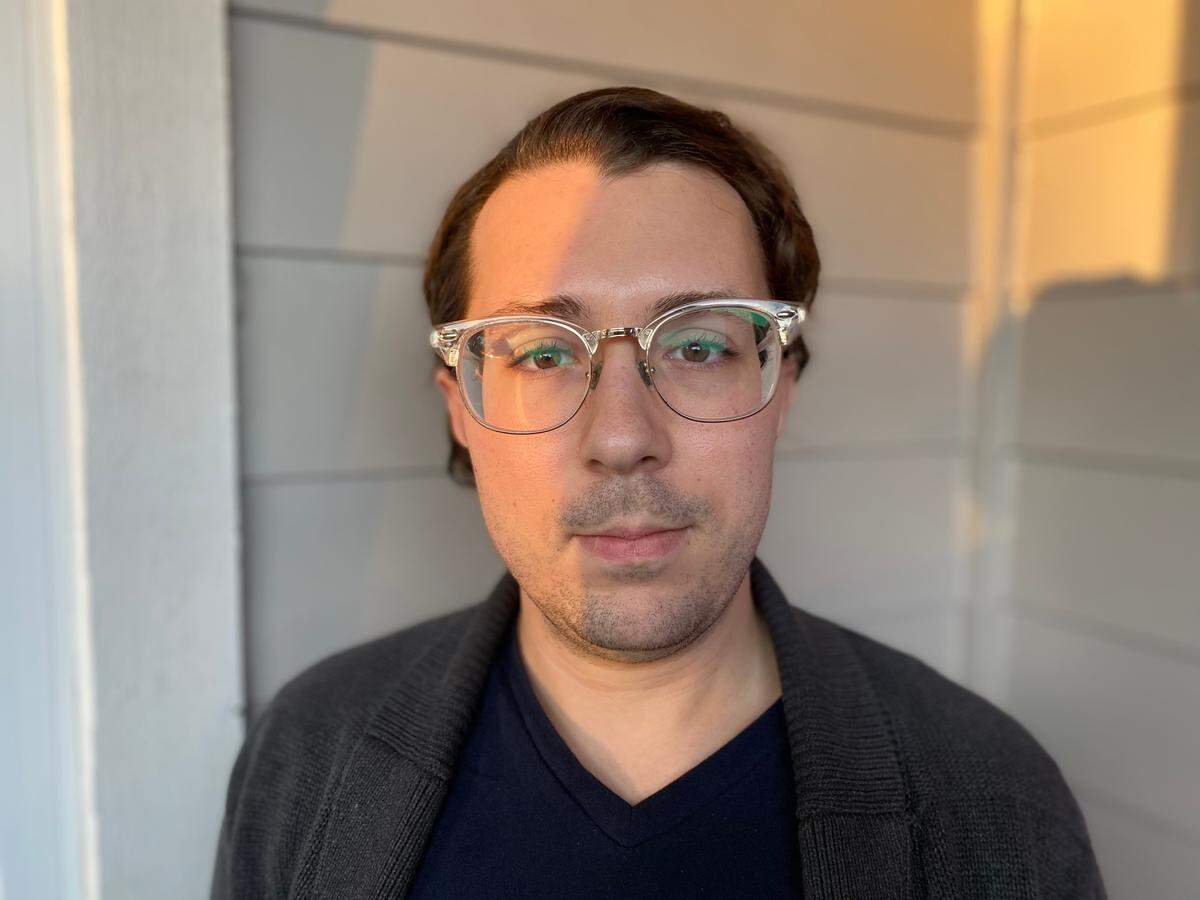
Corrections: A previous version of this article included a photo that misidentified Paul’s daughter, Tiffaney Paul McDowell. The article also been corrected to clarify that Paul was “a “major benefactor” to the Mayo Clinic and was treated there in 2012.
This story was originally published December 10, 2020 at 11:43 AM.