Did you know? You once had to record your alcohol prescription in Horry County deed book
One of your Horry County relatives may have had a medicinal liquor prescription during Prohibition.
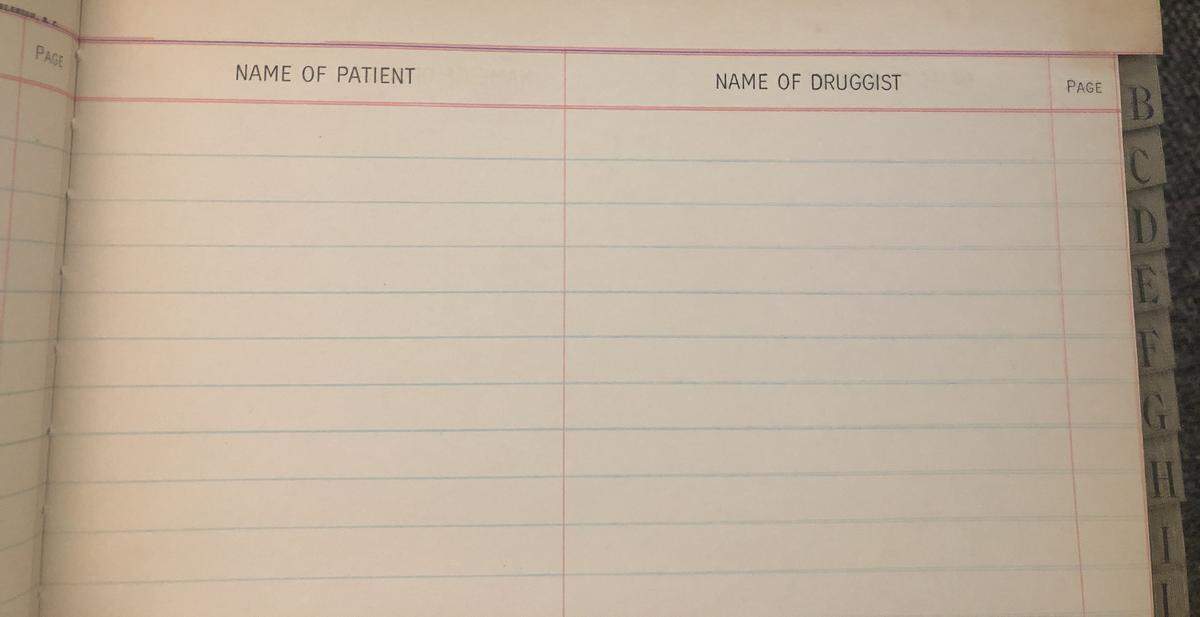
An obsolete practice now, alcohol prescriptions are a thing of the past from Prohibition, and a book where people were required to record their prescriptions still remains at the Horry County Courthouse.
But the book in the Register of Deeds Office remains blank, though searching through some deed books — also functioning as a catch-all for miscellaneous recordings — have some recordings of those prescriptions, said Horry County Registrar Marion Foxworth.
“There were medical reasons to prescribe it” during Prohibition, 1920 to 1930, Foxworth said. “And the state, at some point, passed a law saying if a prescription was written, it had to be recorded at the courthouse.”
And the only way to find those recordings is by physically going through all of the deed books where the prescriptions are recorded miscellaneously.
It was up to the patient to bring his or her medicinal liquor prescription to the courthouse to be recorded during Prohibition.
Foxworth has come across other recordings in his time as registrar, like slave deeds, letters and recipes.
Here is what a prescription for medicinal liquor looks like, via the Smithsonian.
As for the blank medicinal liquor book, Foxworth said he’s always wondered if there was a previous volume full of names.