Effort to stop Interstate 73 to Myrtle Beach clears hurdle in federal court
A proposed interstate into Myrtle Beach might be further delayed after a judge rejected most efforts to dismiss a lawsuit that raises concerns with the roads’ environmental impacts.
It’s another chapter in the longstanding effort to bring Interstate 73 to the Grand Strand.
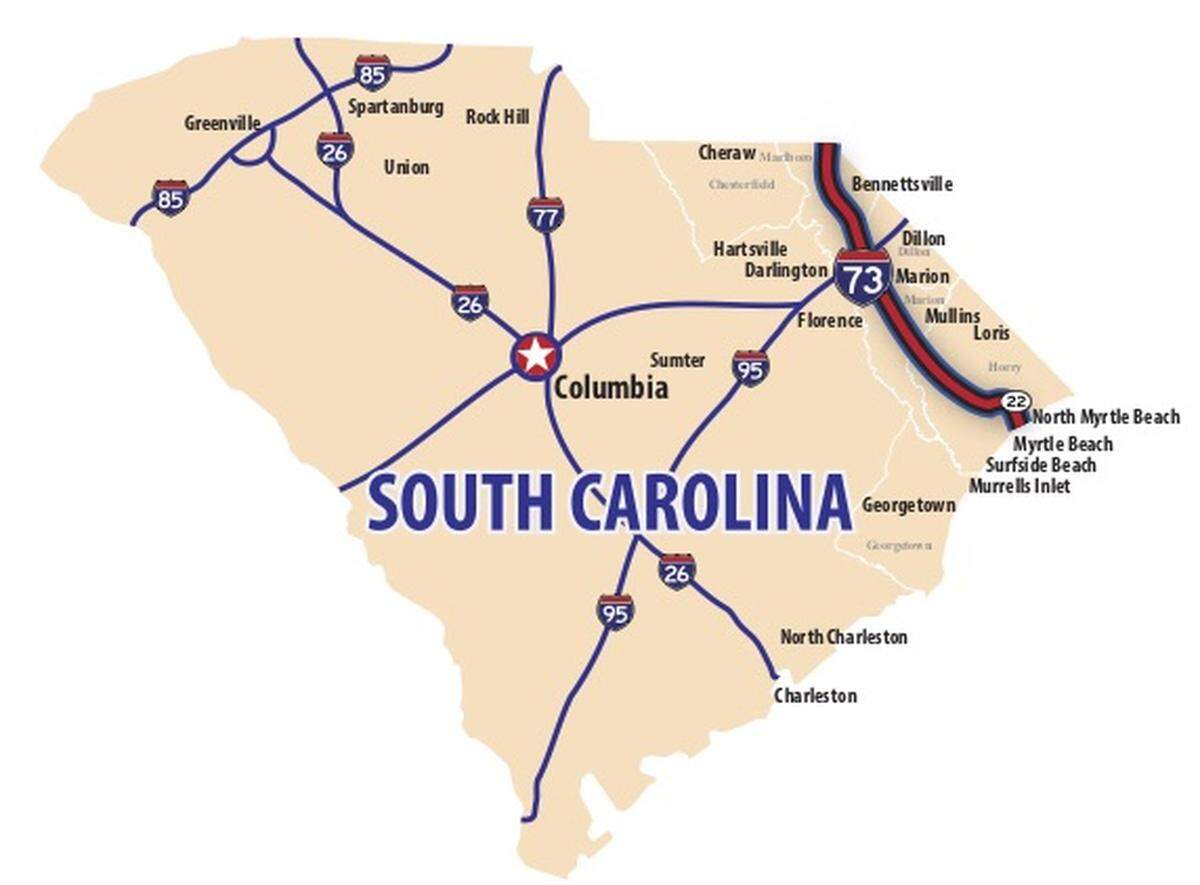
The proposed Interstate 73 would run from Michigan to Myrtle Beach with about 75 miles of highway in South Carolina. Officials have long discussed the need for the route to help ease congestion and to serve as an alternative hurricane evacuation route.
Late in 2017, the South Carolina Coastal Conservation League sued the U.S. Army Corps of Engineers, the Environmental Protection Agency, the federal Department of Transportation and several officials over the proposed highway.
The conservation league said the I-73 project would cost $3.8 billion and destroy hundreds of acres of freshwater wetlands, according to court records.
The suit argued federal officials violated their responsibilities in several aspects of the project, including approving permits under the Clean Water Act.
South Carolina’s Coastal Conservation League also questioned the federal agencies’ reliance on a 10-year-old environmental study and “reevaluations” instead of undertaking a supplemental study.
There are cheaper and more environmentally friendly alternatives to the proposed highway, the conservation group stated.
U.S. and state officials sought to dismiss the lawsuit, but a federal judge based in South Carolina rejected most of those requests in an order filed this week.
In the ruling, the judge found that the conservation made proper allegations in its lawsuit. The judge didn’t issue a decision on the allegations, only that they were properly presented in the legal process.
While the lawsuit will continue, the judge did dismiss some of the conversation claims that were duplicates or technical legal issues.
Chamber of Commerce ruling
The judge also rejected an effort by the Myrtle Beach Area Chamber of Commerce and the National I-73/I-74/I-75 Association to become parties in the lawsuit.
Officials argued that the chamber members’ business, economic and public policy interest could be hurt by the case’s outcome, according to court records.
The organizations said they spent money and time to secure public approval and financing for the project.
Conservation League leaders argued that the chamber did not have a direct, legal interest in the case, according to court paperwork. They argued the groups did not receive the permits or complete the environmental study at the crux of the suit.
The federal judge rejected the efforts to join the case and noted that many of their concerns could be represented by defendants already in the case.
This story was originally published January 31, 2019 at 5:41 PM.