
'It's tradition, our legacy': Working to preserve slave cemetery in Surfside
An old slave cemetery in Surfside has largely been destroyed by development over the past few decades. But now the Surfside Beach Historical Society is working to preserve the last empty plot of land from the burial ground.
Located between Cypress Drive and Juniper Drive, the property is nestled between two homes and filled with trees. A for-sale sign sits near the street.
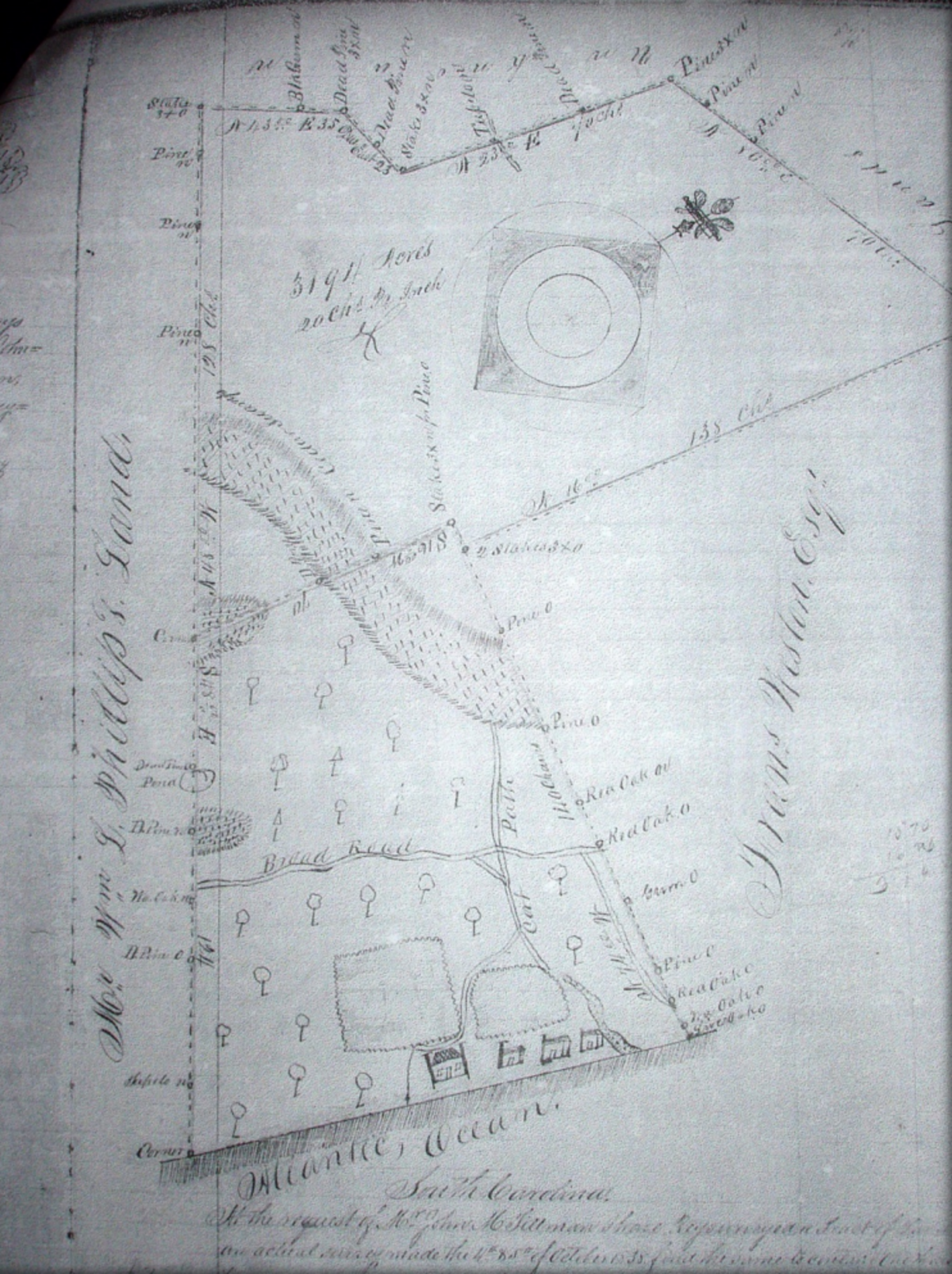
Houses toward South Myrtle Drive could sit on pieces of the cemetery that was once part of the Ark Plantation, which spanned almost 3,195 acres.
"We have over 50 death certificates that we have found," said Joyce Suliman, president of the historical society. "We've had two radar tests done with the county. Both times they found burials.
"They found two in my neighbor's backyard and then we just did one in March and they found five more in that neighbor's yard. One of them was an infant and one was only a foot down. The reality is it's there."
In order to preserve the site, Suliman said the historical society is trying to purchase the lot with hopes of placing a plaque that talks about the history of the cemetery, as well as turning it into a park. The society needs to raise $118,900 by Aug. 4.
"We need to have the people aware of what's going on," Suliman said. "A lot of people never knew there was an Ark Plantation in this area at all. So it's awareness."
The cemetery
For Cad Homles, preserving the burial ground means preserving his family history.
"It's tradition, our legacy," Holmes said, recounting stories passed down from his relatives. His great grandmother was born a slave on the plantation, he said.
"A lot of my ancestors are buried in Surfside," he said. "All we want is some recognition."
Ben Burroughs, director of the Horry County Archives Center, said the cemetery dates back to pre-civil war years, with burials as recent as the 1950s.
"Back then they didn't have caskets, especially for the blacks buried in Surfside," Holmes said.
Most of the graves are unmarked, or identified by a piece of sandstone, Holmes said. But, Holmes said, many of the sandstone makers were damaged by weather.
At the time, the burial grounds were left to look natural, Suliman said. Holmes said many slaves believed their souls would return to Africa if the trees were allowed to grow. As the trees grew, their souls would get carried up into the tree and were eventually taken away by the wind, Holmes said.
In the late 80s, Suliman said houses started popping up on the cemetery after it was declared abandoned. However, many property owners did not know they were buying a house located on a cemetery.
"I feel bad for the people who are still alive who remember coming to that, because they have nothing to come to," resident Melba White said. "If it wasn't an African American burial plot I don't think this would have ever happened, you know, if somebody else had been buried there."
Ark Plantation house
At the intersection of 3rd Avenue South and South Willow Drive sits an empty lot filled with several large live oak trees. At the foot of one of the trees, a pile of bricks sits, marking one of the foundation points for the former Ark Plantation house.
The house started out with four rooms with large front and back porches. The main crop grown at the plantation was indigo, but rice, Indian corn and peas were also grown on the land.
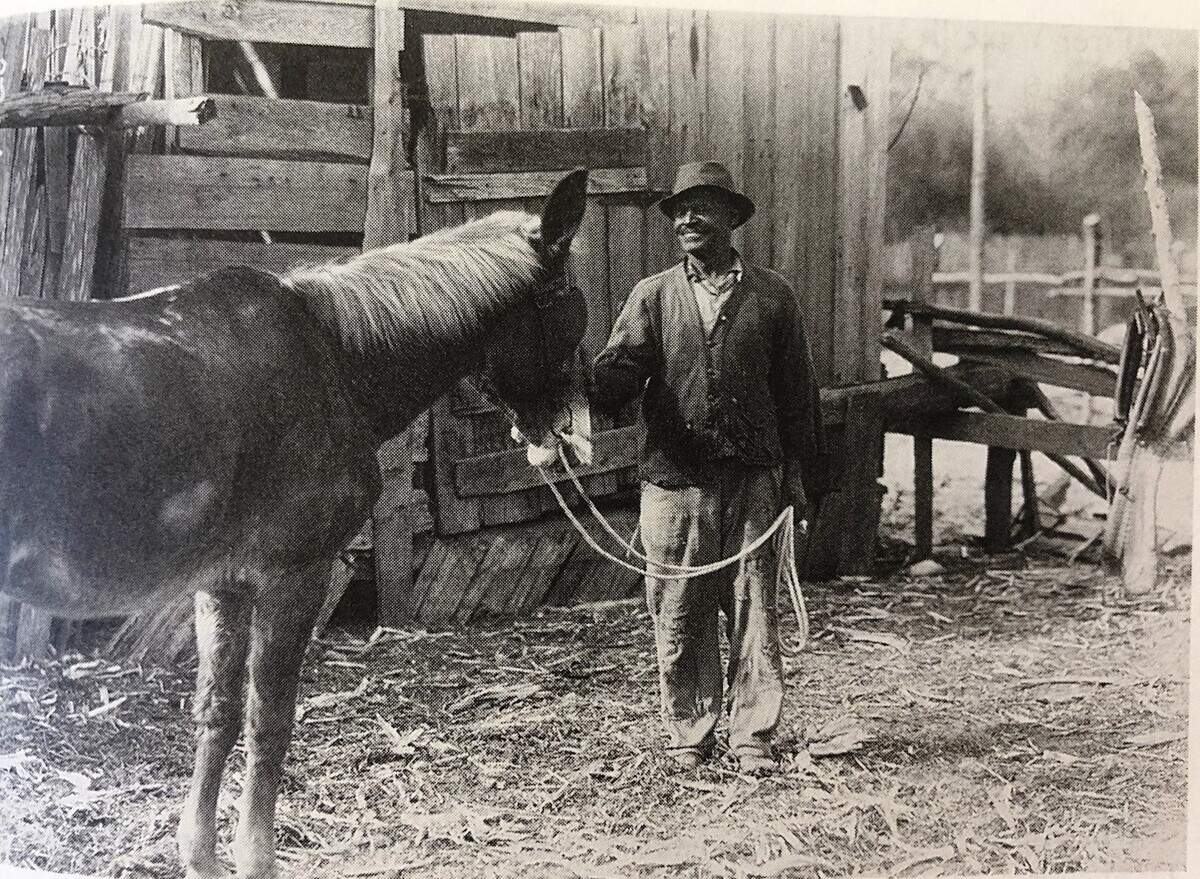
The plantation was once owned by John M. Tillman, Burroughs said. Records show Tillman had 57 slaves in 1850 and 63 slaves in 1860.
After Tillman passed in 1865, the land was dispersed among his cousins. In 1924, the property was sold to George Holliday from Galivants who added 20 rooms onto the home, turning it into The Shady Inn, Suliman said.
Later on, the inn was used to house beach lifeguards. It was eventually demolished in the 1960s.
The town of Surfside Beach recently purchased the property to help the historical society preserve the history in the area. Suliman said she hopes a gazebo will be placed on the property, giving people the opportunity to spend time on the land and learn about the Ark Plantation.
As for the burial grounds, Suliman said the historical society is holding fundraisers and hosting tours to raise money to the buy the land.
"It's the right thing to have a place for the family to come to," Suliman said.
This story was originally published June 16, 2018 at 4:51 PM with the headline "'It's tradition, our legacy': Working to preserve slave cemetery in Surfside."