Myrtle Beach was once a pandemic ‘hotspot.’ Now this health system has no COVID patients
Long gone are the days when Myrtle Beach was labeled a national COVID-19 hotspot, and headlines like “The Young Cut Loose in Myrtle Beach. The Virus Followed Them Home” showed up on national news.
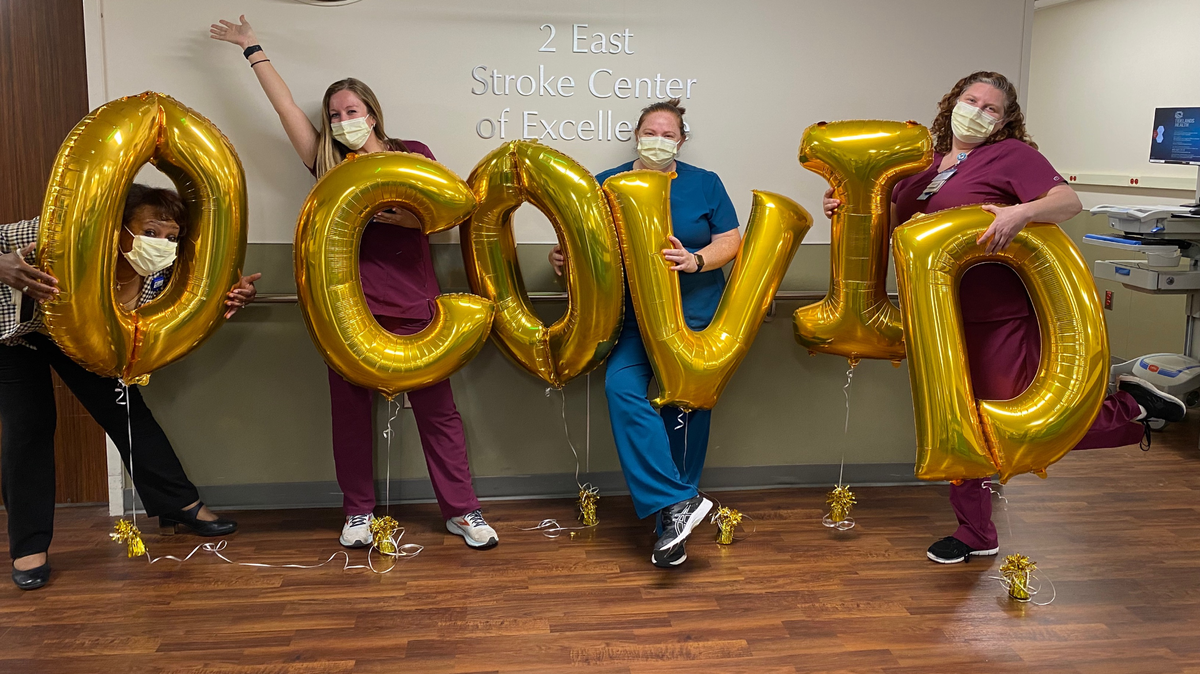
This week, Tidelands Health, one of the largest health systems in the region, celebrated a once-unthinkable milestone. On Monday, no COVID-19 patients were hospitalized at any of its facilities for the first time since the pandemic began more than two years ago.
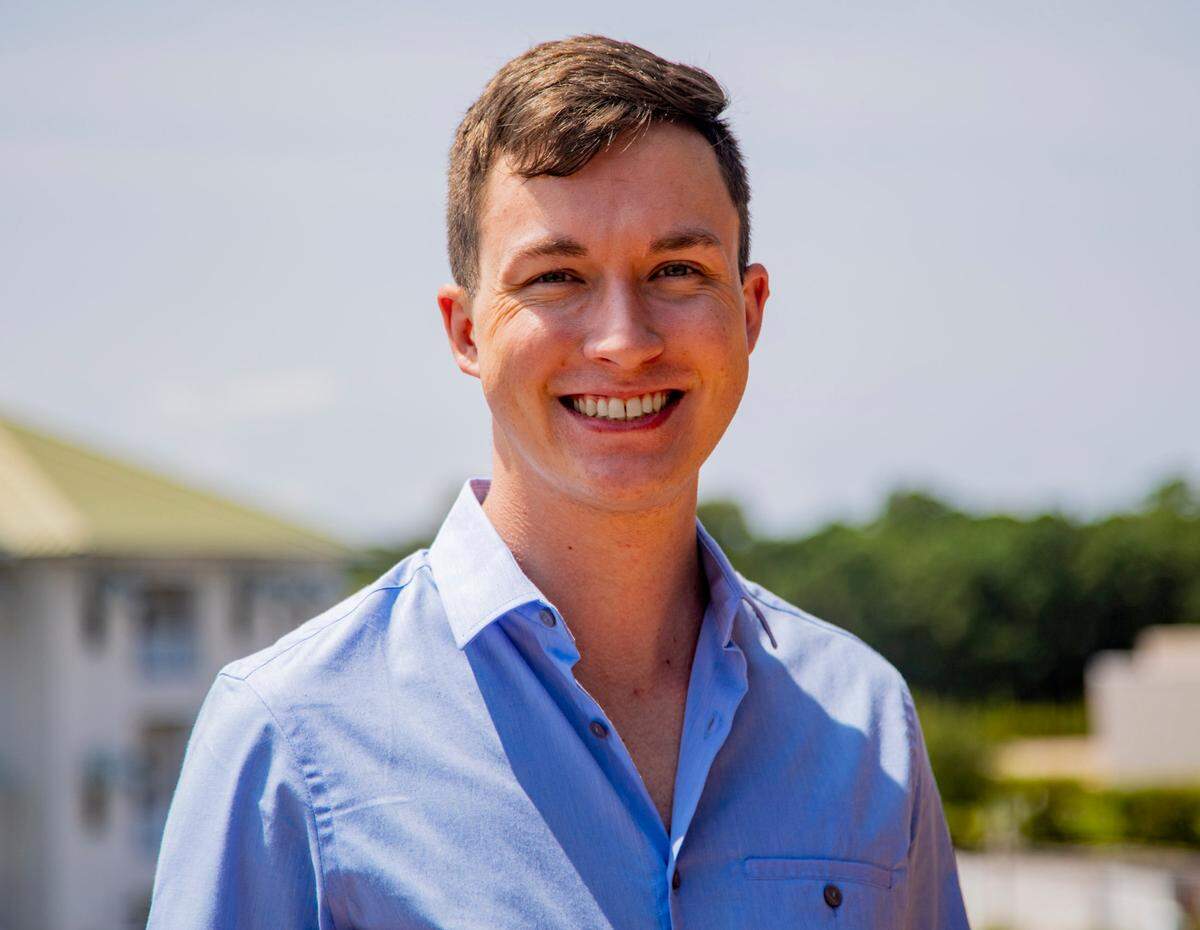
“It is a welcome relief,” said Nathan Mattox, a nurse and director of the intensive care unit at Tidelands Waccamaw Community Hospital in Georgetown County. “To have COVID in the rearview mirror, it’s a nice place to be.”
This achievement, if you can call it that, is bittersweet, Mattox said. Coming just days after the anniversary of Tidelands’ first COVID-19 death in March 2020, it feels weird to be happy about anything related to a deadly pandemic that killed millions, Mattox said.
“It was really a moment where we realized that this was real, and this was unlike anything we’ve ever seen,” he said of that moment two years ago.
That doesn’t mean they’re not celebrating this milestone. Having no COVID-19 patients is a real miracle, Mattox said.
“To be almost two years to the day later and to be able to say we have a pretty good chance of being able to prevent the spread of COVID and to treat folks when they get it, I think it is tremendous,” he said.
Ashley Capps, Tidelands’s vice president of nursing and operations, said the current relief is allowing health workers to “purge” a lot of the stress and emotion of the last two years.
“We saw tears of joy and just sheer excitement as we were rounding yesterday to celebrate this with our team,” she said. “I think that’s really reflective of some closure and just renewed hope that we’ve at least turned the corner.”
Never not thinking about COVID-19
When the pandemic began, medical professionals knew so little about the virus sweeping the globe. The biggest thought on anyone’s mind was whether they would run out of personal protective equipment like masks and gloves. Thankfully, Mattox said, that never happened.
“You’re talking about something that you cannot see in the air around you and you can’t avoid it. It makes it very challenging and it is very frightening,” he said. “People (who) were one day very healthy (would) get this disease and become very critically ill from very quickly. It was alarming, and it was very scary.”
Now, Mattox said, health care professionals constantly look at new research on COVID-19 to perhaps anticipate what may come next. Seemingly every day, there’s a new study on the virus’ effects or developments in possible variants. On Tuesday, the Centers for Disease Control and Prevention reported that a subvariant of omicron, known as BA.2, had taken over as the most common form of COVID-19 in the United States.
However, Mattox said, with each surge of the virus, Tidelands has become more efficient at handling it. A lot of the work, though, was contemplating, “Is this the best thing?” every time a new way of combating the virus came along, Mattox said.
Tidelands never felt alone, throughout it all. Mattox said the cards, food, prayers and support from the community were priceless.
“They will never know what that meant to us,” he said.
Finally getting away from the virus
COVID-19 vaccines were a godsend for Mattox. He was one of the very first people in the county to be immunized. Now he’s an evangelist for the vaccine. He never stops recommending people get vaccinated, and he encourages people to get a booster shot if they qualify.
He ended up getting COVID-19 around Christmas, when the omicron variant was starting to spread, and was sick for about a week but he said he experienced minor symptoms, thanks to the vaccine.
The entire hospital system was a leader in immunizations, and state officials pointed to it as a model of best practices. In November, it celebrated giving out 100,000 doses of the vaccines. It also led the way with testing in the community, trying to meet people where they were, rather than waiting until they showed up in the emergency room.
“There may have been some wayward thoughts about who you could turn to and who you can trust,” Capps said about those who were hesitant to get the vaccine.
“We tried to really reassure them that we had a lot of data in our health care system,” Capps said. “We’ve given a lot of vaccinations and we had a great outcome from that.”
Mattox and Capps said Tidelands ultimately wanted one thing: that no one need hospital care because of COVID-19. They believe Tidelands’ determination to furiously push community testing, vaccines and health education is the reason why they can take a breath today.
“What really supported us getting here two years later is a willingness to really think very innovatively,” Capps said. “We’re constantly trying to get ahead of of whatever crisis we faced in the moment, rather than being reactive.”
Remnants of COVID amid bursts of normalcy
Many remnants of the coronavirus’ presence still exist within Tidelands’ hospitals and other medical facilities. Hand sanitizer stations are everywhere. Masks are still required for patients, visitors and employees in common areas.
Tidelands, in fact, is one of the last places in the region, health system and otherwise, that still requires masks. In recent months, it even took the additional step of requesting people put on medical-grade surgical masks as omicron blasted its way through the cloth ones millions used.
But there also are bits of normalcy peeking through the pandemic’s cloud. There no longer are restrictions on patient visitors.
Health providers are beginning to look at what elements of care were missed during the two years of the pandemic. For one, Capps said, they are trying to get children caught up on childhood vaccines.
The hospitals also had to be “very good stewards” of its resources at the height of the pandemic. That meant often delaying care or surgeries that could wait. Now, Mattox said he’s excited to be able to care for acute needs for medical problems beyond COVID-19. Just because the pandemic appeared, he noted, doesn’t mean other health problems disappeared.
“It’s so different to us to look out and be back to a more normal patient load,” he said.
Mattox said the “general mood is still improving among staff.” Many of them, Capps said, had become surrogate families for COVID-19 patients that were cut off from their loved ones during the early stages of the pandemic.
“They grieved a patient loss in a different way,” Capps said. “The degree and the depth of the emotion that these caregivers put forth and the connection that they’ve had, I think that is really what has fueled their ability to, you know, to keep coming back and be resilient.”
Capps says the pandemic has personally changed her. Life, for one, feels so much more valuable than before, shes said.
“It really gives you the perspective to go home and give your family an extra hug and be more patient, respond with kindness,” Capps said. “Just, the time we have is precious.”
‘Guarded optimism’
STill, while Tidelands doesn’t have any hospitalized COVID-19 patients, that doesn’t mean health care workers aren’t on guard for the next variant that may cause havoc again.
“I think we all have some guarded optimism” Mattox said. “We’re always alert looking to see, is there a very important thing elsewhere in the world? If there is, what does that mean for us here in the United States?”
COVID-19 might have subsided for the moment, but Capps said Tidelands is still very focused on educating people on the importance of vaccines, boosters and getting treatment early.
The next step, really, is “getting prepared for the next round,” she said. And just like Tidelands is used to preparing for natural disasters and hurricanes, the hospital now has two years of experience behind them to face whatever wave may come its way.
This moment comes as Myrtle Beach welcomes the start of tourism season. Thousands are flocking to the beaches each week for what many hope will be a return to normal for spring break.
“There is always a promise with spring,” Mattox said. “Myrtle Beach comes back to life.”