Avoid J&J COVID vaccine if Pfizer or Moderna are available? Explaining CDC decision
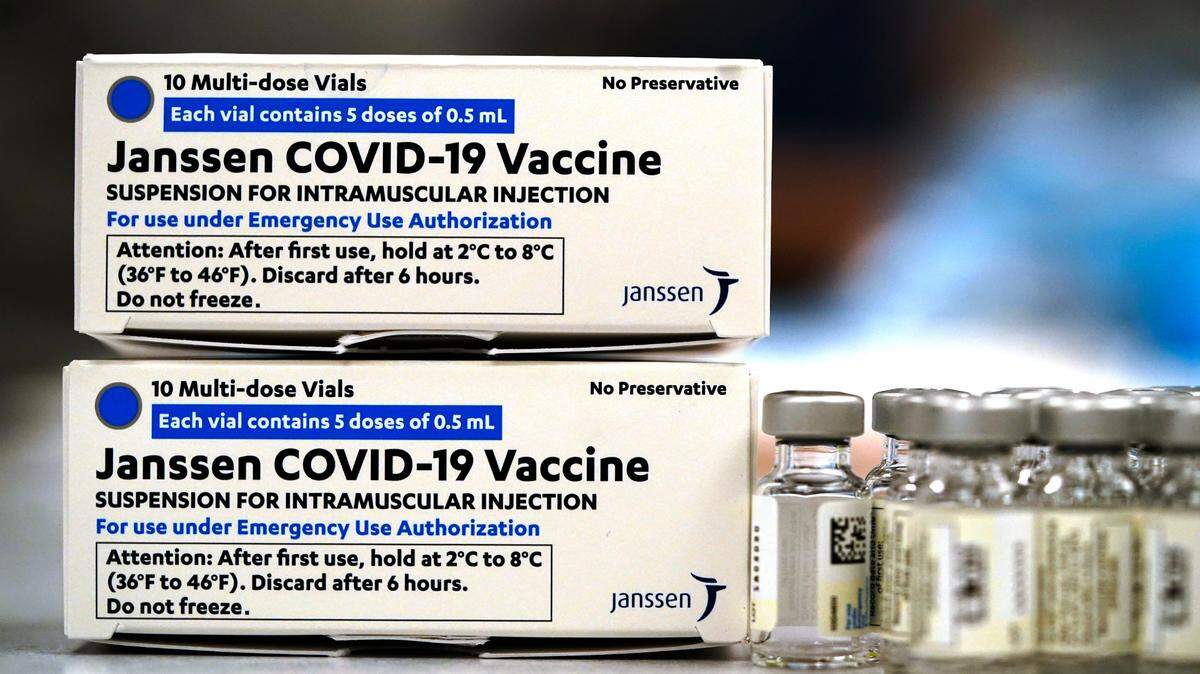
Federal health officials have now made it clear: they “prefer” people in the U.S. receive a Pfizer or Moderna COVID-19 vaccine over the Johnson & Johnson shot.
In a unanimous decision, a Centers for Disease Control and Prevention advisory committee voted on Thursday, Dec. 16, to update its recommendations with its “clinical preference” after a review of the latest data showed the J&J vaccine prevents fewer COVID-19 hospitalizations, intensive care unit admissions and deaths than the other two shots.
Among primary concerns were the risks associated with the J&J vaccine, including a rare blood clotting condition called “thrombosis with thrombocytopenia syndrome (TTS)” and “Guillain-Barré syndrome (GBS)” which tricks your immune system to attack your body’s nerves.
There have been 54 cases of TTS as of Dec. 17, mostly in women younger than 50 years old following one dose of the J&J vaccine, the CDC reported. All of those who developed the condition were hospitalized, 36 were admitted to the ICU and nine have died as of Dec. 2.
About 17 million people in the U.S. have received the J&J vaccine, including booster doses.
CDC Director Dr. Rochelle Walensky approved the recommendation within hours of the advisory committee’s vote.
“We have made important strides in the year since the COVID-19 vaccination program started. Today’s updated recommendation emphasizes CDC’s commitment to provide real-time scientific information to the American public,” Walensky said in a Dec. 16 statement. “I continue to encourage all Americans to get vaccinated and boosted.”
The agency emphasizes, however, that any vaccine is better than being unvaccinated, and that anyone who doesn’t want a Pfizer or Moderna shot or cannot receive them for medical reasons will still have access to the J&J vaccine.
Johnson & Johnson officials issued a statement on Thursday, Dec. 16, expressing confidence in their COVID-19 vaccine’s ability to produce strong antibody and immune responses against several variants, though it’s still unknown whether the shot protects people against the omicron variant.
“We appreciate today’s discussion and look forward to working with the CDC on next steps,’ Dr. Mathai Mammen, global head of Janssen Research & Development, a pharmaceutical company owned by Johnson & Johnson, said in the statement. “We strongly support education and generating awareness of rare events, such as TTS and how to effectively manage it.”
The CDC notes the single-dose J&J vaccine continues to be a good option for people who can’t return for a second dose or who may be unable to receive the Pfizer or Moderna vaccine.
How do risks between all COVID-19 vaccines compare?
Although only 54 cases of the rare blood clotting disorder occurred out of about 17 million doses delivered, CDC officials decided the shot’s benefits generally do not outweigh its risks when other options are available, especially after both conditions took nine people’s lives.
TTS after J&J vaccination has a 15% mortality rate, while 17% of affected people have required admission to a rehabilitation facility after hospitalization, the agency noted during its Dec. 16 meeting.
GBS after the J&J shot has a 1% mortality rate and 10% of those affected required mechanical ventilation.
Meanwhile, myocarditis and pericarditis — inflammation of the heart that has been reported in 1,106 recipients of the Pfizer and Moderna vaccines, mostly among young men, as of Dec. 8 — have had less severe impacts on people.
Three months after developing the condition, more than half of affected patients report no symptoms, over 90% are “fully recovered” and no one has died, the CDC said.
The agency paused J&J vaccination on April 13 after a handful of TTS reports; it met two times after that to further its discussion on the vaccine’s safety. It’s authorized for emergency use for adults 18 years and older.
This story was originally published December 17, 2021 at 1:09 PM with the headline "Avoid J&J COVID vaccine if Pfizer or Moderna are available? Explaining CDC decision."