What SC travelers need to know about COVID and the flu this Thanksgiving
At some point, we will be able to talk about major American holidays — like Thanksgiving — without having to consider the COVID-19 pandemic. We aren’t there yet, but this year looks a lot better for Turkey Day than last year, medical experts say.
Unlike 2020, when vaccines weren’t yet widely available and holiday travel was discouraged, many public health experts are encouraging traveling for the holidays.
“I think it’s okay to get together. We have a societal needs,” said American Medical Association President Gerald Harmon, who is also the vice president of medical affairs at Tidelands Health in the Grand Strand. “It’s nice to get together for the holiday with friends and relatives. Most importantly, the difference between this Thanksgiving and the last Thanksgiving: We didn’t have a vaccine last Thanksgiving.”
While traveling is much safer this year with vaccines ubiquitous across the country and cases much lower than they were even a few months ago, COVID-19 is still a problem for many Americans. Millions remain unvaccinated against COVID-19. Millions more have yet to get their annual flu shot, which often has one of the lowest immunization rates of any vaccine available.
Here’s what you need to know about travel both this week and over the next month and a half as much of America travels to see family for the holidays for the first time in two years.
Looking for tips on the logistics of Thanksgiving travel? Read our story on what flying, driving and everything else looks like.
Vaccinations
For those traveling, especially by plane, medical experts including Harmon recommend being vaccinated before getting on a plane, or any form of public transportation. Keep in mind that federal law requires wearing a mask on all forms of public transit in the U.S., including at transit hubs like airports. If you haven’t been vaccinated yet, you won’t be fully immunized by Thanksgiving. But if you go get your first shot now, you can be fully vaccinated by mid-December, in time for the rest of the holidays.
Speaking of transportation, what’s the best method for traveling to your destination this year? Flying? Driving?
“Driving ordinarily would not necessarily be safe. I’m going to tell you, as a career pilot, air transportation is” one of the safest modes of transportation, Harmon said. “But if you take it in a pandemic — you mitigate the risk a little bit differently because now you’re going to travel into close proximity to others (while) traveling with your own family in a car, that would mitigate the COVID risk.”
Different environment for COVID
Harmon, like many medical experts last year, canceled his usual Thanksgiving plans. He didn’t want to risk a big gathering of his family turning into a bunch of COVID cases.
This year, not only is his family getting together, he thinks everyone else should, too, if they can do so safely.
Harmon won’t be traveling for the holiday because much of his family lives in the area, but every single person in the family (that is eligible so far) has been vaccinated for COVID-19. Tidelands, where he works, also gave out its 100,000th COVID-19 dose last week.
Because most of the family is vaccinated, Harmon said they likely won’t be wearing masks at their gathering, but most of the gatherings will be outdoors, just in case.
However, if he had family traveling from afar to visit, or visiting from an area that is high-risk for COVID or has a low vaccination rate, Harmon said he would ask them to be sure they are vaccinated and possibly even get tested. If anyone is feeling sick, Harmon said they will be asked to stay home and recommends hosts follow the same policy for their gatherings.
“If people are making the choice not to be immunized, then others around them have the right to ask for them to get tested,” Chris Beyrer, epidemiologist at the Johns Hopkins Bloomberg School of Public Health, told the Washington Post. “There are lots of reasons for not being immunized. It’s hard to imagine a really good reason for not being willing to be tested to be together.”
But how to ask that question?
“You can be pretty straightforward and say ‘Hey, I know this might be a loaded question, but did you end up getting the vaccine?’” Andrea Bonior, a licensed clinical psychologist, told the Post. “But also establish your reasons. ‘I feel firmly that it’s in my best interest and my family’s best interests to make sure that we’re not doing indoor stuff with unvaccinated people yet,’ or whatever it might be.”
Even though gathering is much safer this year with the high COVID vaccination rate, the pandemic still hasn’t gone away. Some experts also worry about “twin epidemics” of the flu and the coronavirus. Rather than wondering “Is this allergies or COVID,” we now get to wonder “Is this allergies, COVID or the flu?”
While both viruses share a lot of similarities, here are some of the defining characteristics of COVID and the flu, according to Harmon. Overall, the flu is more like what we prototypically associate with “feeling sick.”
COVID-19
- Sore throat
- Runny nose
- Cough
- Congestion
- Loss of sense of taste or smell
- COVID also has more long-term affects than the flu
- Fever
- Chills
- Muscle aches
- Less cough and runny nose
Should I get a COVID-19 test?
When traveling, especially if you plan to fly, it can be hard, if not impossible, to know if everyone else around you both A) is fully vaccinated and B) doesn’t have COVID (including breakthrough cases). This raises the question: is it important, even necessary to get COVID tested? And when is the best time to?
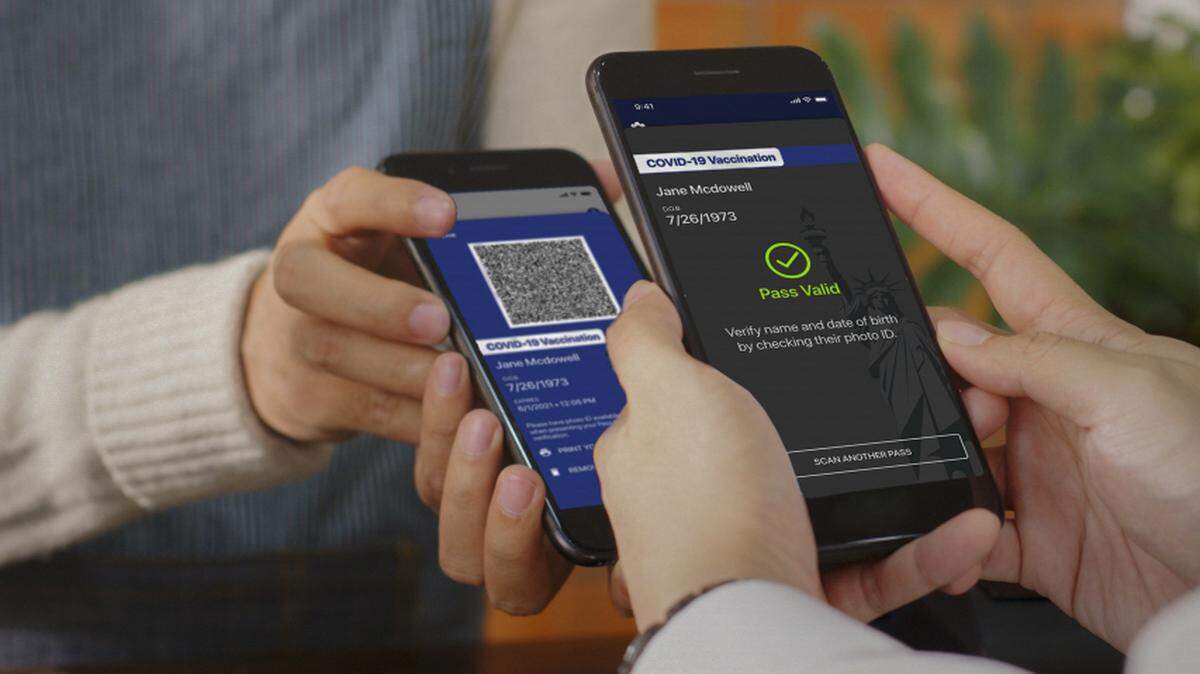
Harmon and national public health experts say one of your first considerations should be the restrictions and requirements of your destination(s). Is a negative COVID test required upon arrival? Or a copy of your vaccine card? Rules vary across states and countries, so be sure to check local rules before heading out.
Also keep in mind that a lot of people might be getting tested for COVID right before they leave for vacation, so if you head to your local testing center in the next couple of days, it might take longer than usual to get results back due to potential backlogs.
“Unvaccinated people, with airlines or something, need to get tested between one to three days before,” Harmon said. “We have a lot of supplies” for testing, but if a wave of people rush to get tested the Monday before Thanksgiving, that might slow things down.
Beyond that, if you travel to (or from) an area with a high rate of COVID-19 spread or a low vaccination rate, it might be a good idea to get tested before and after you travel. It’ll give some peace of mind, Harmon said, and ensure that you don’t come back and spread COVID to friends, family and coworkers.
For those who are particularly risk averse, Harmon said quarantining before and after traveling will give you the best protection from getting or spreading the virus, on top of getting vaccinated and a COVID test.
Risks after Thanksgiving
Recently, COVID-19 cases have been rising across the country for the first time in weeks in a foreboding trend reminiscent of the 2020 holiday season. The increase has some health experts, including the White House’s chief medical adviser Anthony Fauci, worried that we could see a fourth massive surge of COVID-19 cases.
“We still have about 60 million people in this country who are eligible to be vaccinated who have not been, and that results in the dynamic of virus in the community that not only is dangerous and makes people who are unvaccinated vulnerable, but it also spills over into the vaccinated people,” Fauci said Sunday on CNN’s State of the Union.
“We have a lot of virus circulating around,” he said. “You can’t walk away from the data, and the data show that the cases are starting to go up, which is not unexpected when you get into a winter season. People start to go indoors more and we know that immunity does wane over time.”
The best way to combat the virus is to get vaccinated and to get your booster shot if it’s been more than six months since your first shot of Pfizer or Moderna or two months since your first Johnson & Johnson shot.
Harmon notes that South Carolina has historically seen bumps in COVID cases after holidays and major travel seasons. There’s no reason to expect that Thanksgiving and Christmas will be much different but taking precautions like getting vaccinated and wearing masks when around people you don’t normally spend time with can mute that impact.
“I don’t want to go to the term worried, but we are very much aware,” Harmon said, “and we don’t want to be dismissive about it. A ‘COVID-free’ travel vacation? I do think there’s still a risk.”
Getting tested after traveling will also help matters because fewer people will walk around unknowingly spreading the virus, he said.
“I’m optimistic that we won’t have another surge that would be fueled by a new variant like the Delta variant,” Harmon said. “I do think we have more vaccinations and lower transmission rate now we had in the start of the summer. That will help us, but that doesn’t mean we’re unaware. And that’s why we’re telling everybody, consider getting tested before you travel.
“After you get back from Thanksgiving, you could have picked it up and not know about it,” Harmon said. Then, “you could start Christmas vacation, December travel, and you could be infectious and not know it.”
A hopeful outlook
The risk of a 4th COVID wave might be paramount, but Harmon says there is plenty of reason to feel hope.
For one, Harmon said he hopes people see the holidays as a reason to get vaccinated, better protecting themselves and those around them.
But it’s not all about vaccines and COVID: Harmon hopes “that people benefit from gathering from having some social interaction that, they feel better, they raise their social health, they feel more confident about the future and therefore are satisfied in the present.”
And maybe, just maybe, we can get closer to that thing that has felt so far away for so long: “normal life.”
“I’m hopeful that we can learn from this and we can seen the benefit of vaccination this year” compared to last year, Harmon said, and get closer to a sense of normalcy.
This story was originally published November 22, 2021 at 8:33 AM.