
Crime-laden Myrtle Beach’s reputation is unfair, some argue. Here’s who says that’s wrong.
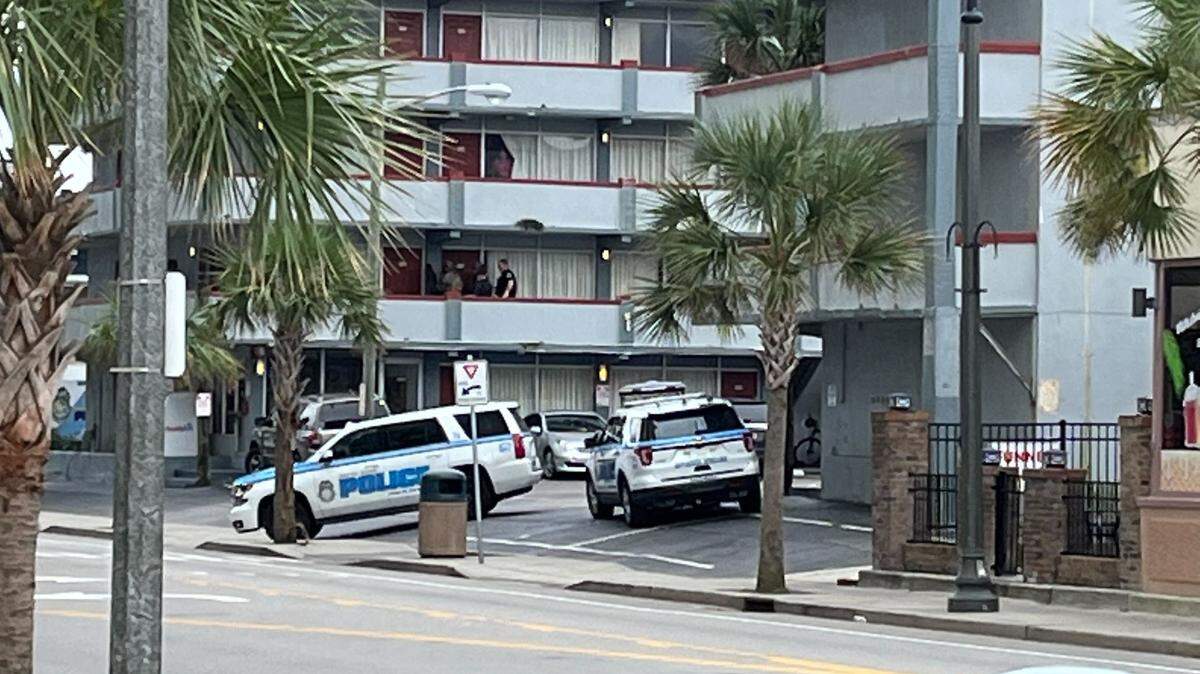
Myrtle Beach has seen nearly a 25 percent drop in its violent and property crime rates since 2017, a result of what authorities say is more aggressive policing methods and stronger community partnerships.
“This is a story we need to get out. We need to get it out to our residents, to our businesses, to our churches,” Mayor Brenda Bethune said at a Nov. 1 workshop. “We need to everything we can to educate our community, our residents and our visitors about what the real story is on crime.”
City leaders for years have refuted claims South Carolina’s most popular tourism spot is also among America’s most violent, saying statistics used to come up with that ranking are skewed due the relatively low year-round population.
In 2021, for example, Myrtle Beach was home to 36,543 residents — putting its violent crime rate at 12.34 per every 1,000 people based on FBI statistics.
But taking into account people who commute, work, visit or attend events, the city’s average daily population swells to 155,000 —leading to a violent crime rate of 2.84 per 1,000 people.
“What we hear a lot of times is an unfair, really inaccurate comparison with our crime numbers compared to our full-time resident population versus the large influx of people who come here every year,” police spokesman Lt. Cpl. Tom Vest said.
City spokesman Mark Kruea said discounting visitation and Myrtle Beach’s pass-through population when compiling crime data maligns the region.
“The information is wrong, but no one seems to care, and Myrtle Beach’s reputation suffers unnecessarily because the numbers are not explained,” he said.
Between 2017 and 2021, violent crime calls citywide dropped 22 percent from 573 to 451, while reported property crimes plummeted 29 percent, according to data presented Nov. 1.
Violent crimes in Myrtle Beach by year:
- 2017, 573
- 2018, 473
- 2019, 415
- 2020, 492
- 2021, 451
“I think that’s just a tremendous data point for the Myrtle Beach Police Department and the City Council for the investments that we’ve been making over the years,” City Manager Fox Simons said. We’ve taken a lot of grief, we’ve taken a lot of heat for it, but it’s working and we need to continue to keep the pedal to the metal if we can to keep going in the right direction.”
The city lost one of its police officers who in 2020 was responding to a violent crime downtown. Jacob Hancher, 23, was fatally shot in an ambush sprung by John Aycoth near 14th Ave S. and Yaupon Drive on Oct. 3 of that year.
High-profile incidents within the city’s tourism-heavy sections, such an Oct. 26 standoff that ended with a Virginia man being with charged with 10 counts of attempted murder after shooting at police officers, also draw attention to municipal crime.
Det. Keith Hinton, a major crimes investigator with the city’s department, said analytics and data-driven policing are helping not only to reduce incidents in troubled spots, but also in closing out cases much faster.
He pointed to the Feb. 21, 2015 arrest of two people within six hours of a fatal shooting at a Home Depot as an example.
“We don’t randomly send resources out and say ‘hey, you just go out and do what you do best and hope for the best.’ We actually have a model of where we have a problem and what we need to do,” he said. “We can solve a lot of our crimes in a matter of hours now”
Patrol route changes have pushed crime down on the boardwalk
Corey Weld, a seven-year department veteran whose beat includes the oceanfront district, said officials this year condensed their patrol area by several blocks — a move that helped cut year-over-year service calls by nine percent between March and September.
“It let us have more visibility, it allowed us to be more proactive. It allowed us to go in there and talk to our business owners,” Weld said. “Essentially, what this has allowed us to do is work on a long-term solution on how to take of crime on the boulevard.”
This story was originally published November 5, 2022 at 8:00 AM.