Judge rules on battle between Myrtle Beach and Horry County over campground properties
Myrtle Beach can move forward with selling disputed land where a campground sits after a local judge rejected an effort to stop the sale.
That’s because a South Carolina Circuit Court judge ruled Tuesday that Horry County cannot prevent the City of Myrtle Beach from selling two tracts of beachfront land east of South Kings Highway, just outside of the city limits.
The City of Myrtle Beach has owned the two properties in question, known to residents as the Lakewood and Pirateland campgrounds, for decades after the federal government gave up the land in the 1940s. But Horry County — which receives some of the lease revenue generated by the campgrounds — sued to stop the city from selling the properties to the companies that currently lease them.
On Tuesday, South Carolina Circuit Court Judge Benjamin Culbertson struck down an injunction filed by Horry County to halt the sale, saying the county did not meet legal requirements. Pending an appeal from the county, Myrtle Beach can move forward with the $60 million deal.
Horry County spokesperson Kelly Moore declined to comment on the ruling Wednesday.
The conflict over the campground properties — totaling about 145 acres — is the latest spat between Myrtle Beach and Horry County, which have gone to court over other revenue-related issues in recent years. Horry County sued the city in December after the Myrtle Beach City Council voted to authorize the sale of the properties to the two companies currently operating on the land. City spokesperson Mark Kruea said Wednesday that structures built on the land to support the operation of the campgrounds make it difficult to use the property for other purposes, so the city felt it would make sense to sell the land to the campgrounds.
Millions of dollars at stake
Horry County took issue with the proposed sale because it currently receives $2.7 million in revenue each year from the leases generated by the campgrounds. In court filings, the county argued that decades-old agreements dictate that revenue from the properties, referred to in court documents as the Seascape Properties, fund a local airport, which it oversees.
Culbertson, though, disagreed, writing in his rulings that the past agreements the county cited don’t prevent Myrtle Beach from selling the property, and that the county wouldn’t be “irreparably harmed” by the sale.
“This case is not about property. The county does not access, use, or possess the Seascape Properties,” Culbertson wrote. “Instead, this case is really all about who gets how much money — be it lease proceeds or sale proceeds from the Seascape Properties. “
The coronavirus pandemic has added another dimension to the case as both Horry County and Myrtle Beach struggle financially due to lost revenues. Horry County officials reported earlier this month that the county has lost more than $22 million due to the pandemic so far. Myrtle Beach, too, has seen significant losses. After Myrtle Beach authorized the sale of the campgrounds, some Horry County Council members worried about absorbing the loss of revenue to the airport.
“What do they want us to do? How are we going to absorb $2.5-3 million dollars in airport operations?” County Council member Gary Loftus said in December. “Are they going to pay for that? If they want to pay it, we don’t care.”
Culbertson’s ruling doesn’t mean Horry County’s lawsuit against Myrtle Beach is over. That case is ongoing, even though the county can longer prevent the sale of the land in question.
Dispute has lasted decades
The dispute between Horry County and Myrtle Beach dates back to World War II.
As World War II was entering its final stages, the federal government sought to offload land and other property it did not need, doing so through the Surplus Property Act in 1944. Several years later, in 1948, the City of Myrtle Beach acquired the Seascape Properties under the act, land that had been previously used as part of the nearby U.S. Army air base.
When the federal government granted the city the land, it included a requirement that the land be used for a public airport. The city later decided not to build an airport on the land, and the federal government agreed that it could be used for other purposes, provided that revenue from the property be used to support a public airport. After working out several other details with the federal government, Myrtle Beach began leasing the land in 1963, and began leasing it to the two current campground operators in 1990.
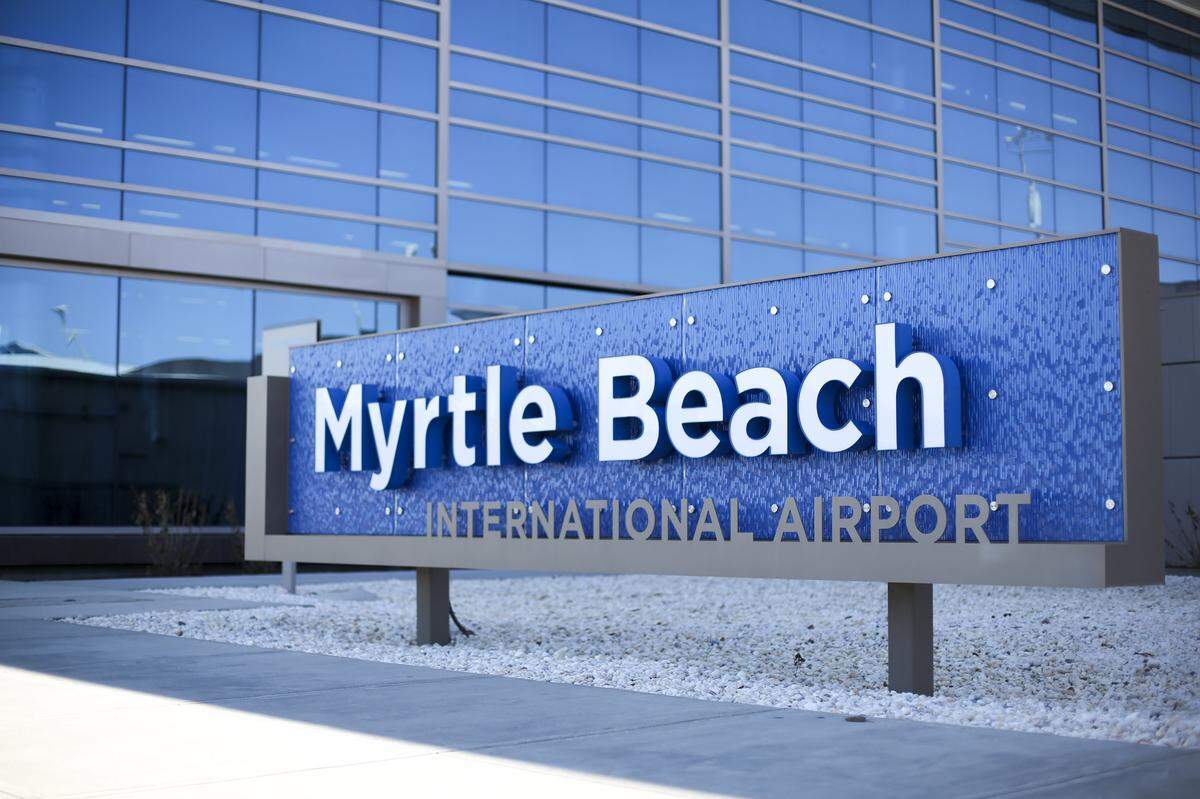
It wasn’t smooth sailing from there, however. Horry County took over operations of the Myrtle Beach International Airport — formally known as the Grand Strand Airport — in 1978 and the county and city engaged in litigation over the Seascape Property throughout the 1980s.
In 1995, Myrtle Beach established the so-called Airport Trust Fund, meant to hold the revenue generated from its leasing of the Seascape Property to the two campground operators. Horry County soon disputed how the city was spending the money in that trust fund, even asking the State Law Enforcement Division (SLED) to investigate in 2001. SLED found no wrongdoing in its review.
After more back-and-forth, Myrtle Beach and Horry County agreed in 2004 to settle disputes about the Seascape Property and devised a revenue sharing scheme. Under that agreement, Horry County receives 75% of the revenue generated from the properties, and Myrtle Beach receives 25%.
Where campground sales stand now
Myrtle Beach informed Horry County in November that it intended to sell the campground land, and the city council authorized the sale through its normal legislative process in December. Horry County filed suit shortly after, and filed the injunction that Culbertson struck down just before the Christmas holiday.
Culbertson wrote in his opinion that the 2004 agreement between the city and county superseded all of the prior agreements, and, therefore, the stipulations in past agreements — like ones that revenue from the campground properties has to be used to benefit an airport forever — no longer apply. Culbertson also wrote that the 2004 agreement contains no language that the city has to share revenue from the sale of the campground properties with the county.
“...the City has no obligation to pay the County any portion of the sale proceeds under the 2004 Agreement,” Culbertson wrote. “Any lingering obligation to use future proceeds from the Seascape Properties for airport purposes...was extinguished with the County’s consent and agreement in 2004. The County cannot change its mind 16 years later.”
.jpg "0319fileart-10 (1).jpg")
Culbertson added the money Horry County receives from Myrtle Beach from the properties isn’t essential to keep the airport operational. He noted the county’s Department of Airports does not operate with taxpayer funding, currently has $35 million on hand and could weather the coronavirus pandemic without the $2.7 million from the Seascape Properties. Those assertions, Culbertson wrote, are backed up by the county’s publicly-available budget documents.
“These official County records do not bespeak any need on the County’s part for these lease proceeds, only a desire to exact as much money from the City as it can,” he wrote.
Kruea said Myrtle Beach is pleased with the ruling, and that pending an appeal, the city plans to move forward with the sale of the campgrounds.
“...the order was pretty clear,” Kruea said. “I think the judge did a great job of summing up the history, capturing the nuances and making a very clear ruling based on the facts over the past 60 years.”
Editor’s note: This story has been updated to clarify that Myrtle Beach owns 145 acres of land.
This story was originally published January 27, 2021 at 4:02 PM.