
Here’s what to know about red flags, ocean bacteria & more before your Myrtle Beach spring trip
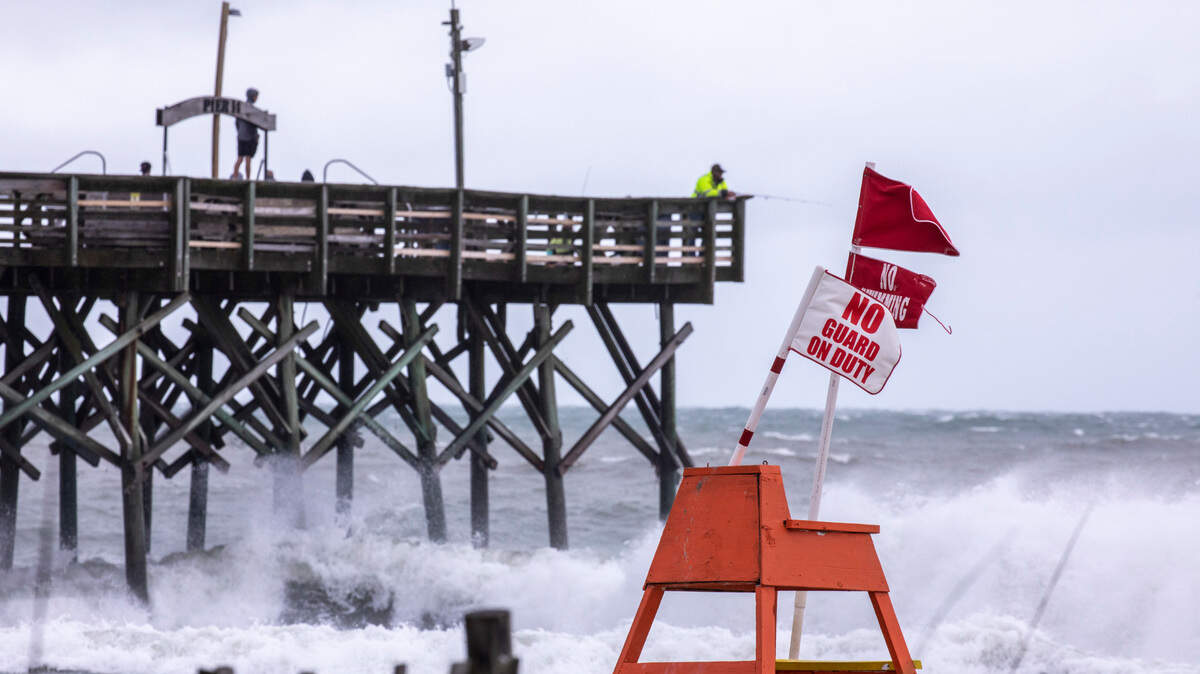
The weather’s warming up and, in the Grand Strand, that means beach season. A day at the beach promises fun in the sun, but hazards like bacteria, jellyfish and sun overexposure can ruin a good time.
Here’s what you need to know to plan for a safe and fun day at the beach in the Grand Strand.
Warning flags
Myrtle Beach operates beach warning flags to alert visitors to potential ocean hazards. Most warnings only advise folks to be cautious, but under double red flags the city bans swimming.
Here’s what the colors mean:
Green flags indicate that conditions are generally calm
Yellow flags signify medium hazards, like moderate surf or currents
Single red flags alert visitors that there are hazards, like high surf or strong currents
Double red flags mean swimming is prohibited and the water is closed to the public
Blue flags warn that there’s dangerous marine life, like a high concentration of jellyfish
Beach bacteria
Grand Strand beaches are a prime destination for people, wildlife and, unfortunately, bacteria. Waters along the 60 miles of coastline are well-monitored and generally safe, but there are certain areas folks should avoid submerging their heads — especially after heavy rainfall.
Within 200 feet of swashes and other advisory locations, experts recommend keeping your head above water and staying out of the water if you have any open wounds. This is particularly important for young children, immunocompromised people and older folks.
The good news is, even in the 400-foot areas where swimming is discouraged, the beach isn’t closed. Fishing, shelling, wading and walking are all safe and encouraged.
You can check official advisories issued by the South Carolina Department of Environmental Services on an interactive map here.
Swashes
If you’re unfamiliar with Grand Strand beaches, the pools and streams that empty from pipes along the shore may seem like good spots to splash around, especially for kids.
But as locals know, those outfall pipes drain stormwater and runoff that can carry bacteria. As a general rule, it’s a good idea to avoid swimming within 200 feet of the swashes.
Temporary advisories
From May 1 through October 1, the SCDES also conducts weekly tests for enterococci–an intestinal bacteria found in humans, pets and other animals–at dozens of Grand Strand locations.
Enterococcus bacteria isn’t typically harmful to humans, but elevated levels in water can indicate possible fecal waste contamination or the presence of other disease-causing organisms.
Temporary advisories typically only last one or two days.
Long-term advisories
If you notice a sign posted at one of the outfalls, you’ve found one of the SCDES’s long-term advisories. The department issues the advisories at sites where more than 10% of enterococcus data from the last five years exceeds the recreational use standard.
Long-term advisories are evaluated annually, so even though the SCDES hasn’t started issuing temporary advisories for the 2025 season, there are 18 long-term advisories currently in effect along the Grand Strand.
Sun risks
A day at the beach isn’t complete without fun in the sun, but too much of a good thing can leave you sore and peeling. Before heading out for the day, check the Environmental Protection Agency’s ultraviolet index daily forecast.
A UV index less than 3 is considered low and safe for folks outside, and an index between 3 and 5 is moderate, though the EPA recommends taking precautions. For all indexes over 5, protection against sun damage is necessary, according to the EPA. An index between 6 and 7 is high, an index between 8 and 10 is very high and 11 or above is extreme.
Remember, bright surfaces like water, white sand and snow reflect UV and can even double UV exposure, so take extra precautions on the beach.
The EPA recommends wearing hats and long clothes, seeking shade in the middle of the day and using sunscreen with at least SPF 15 and re-applying every two hours or after swimming or sweating.
This story was originally published April 1, 2025 at 6:00 AM.