
Here’s your guide to the best bird watching around Myrtle Beach, SC this spring
As spring brings welcome warm weather, people aren’t the only ones flocking to the Grand Strand. Migratory birds are returning to the Myrtle Beach area to settle in for the season or pass through on their way north.
With ocean, river, marsh and forest, the Grand Strand offers plenty of bird-watching opportunities. According to Myrtle Beach State Park ranger Ann Wilson, bird watching is as simple as getting outside and looking around.
“Birds are always around, so you can bird wherever you go. You can make it in your backyard, or every time you go out,” Wilson said. “You don’t see as many birds if you don’t go out and try. It’s all about putting yourselves in different habitats, and seeing what’s out there.”
Here are some bird species to keep an eye out for around the Grand Strand this spring, and where you could spot them.
Birds to watch for around Myrtle Beach this spring
Anhingas
According to Wilson, around late April these sharp-billed, dark-plumed waterbirds will appear around the Grand strand. Although anhingas can be found year-round in areas around the southeastern U.S., and Central and South America, some travel to the South Carolina coast to breed.
Orioles
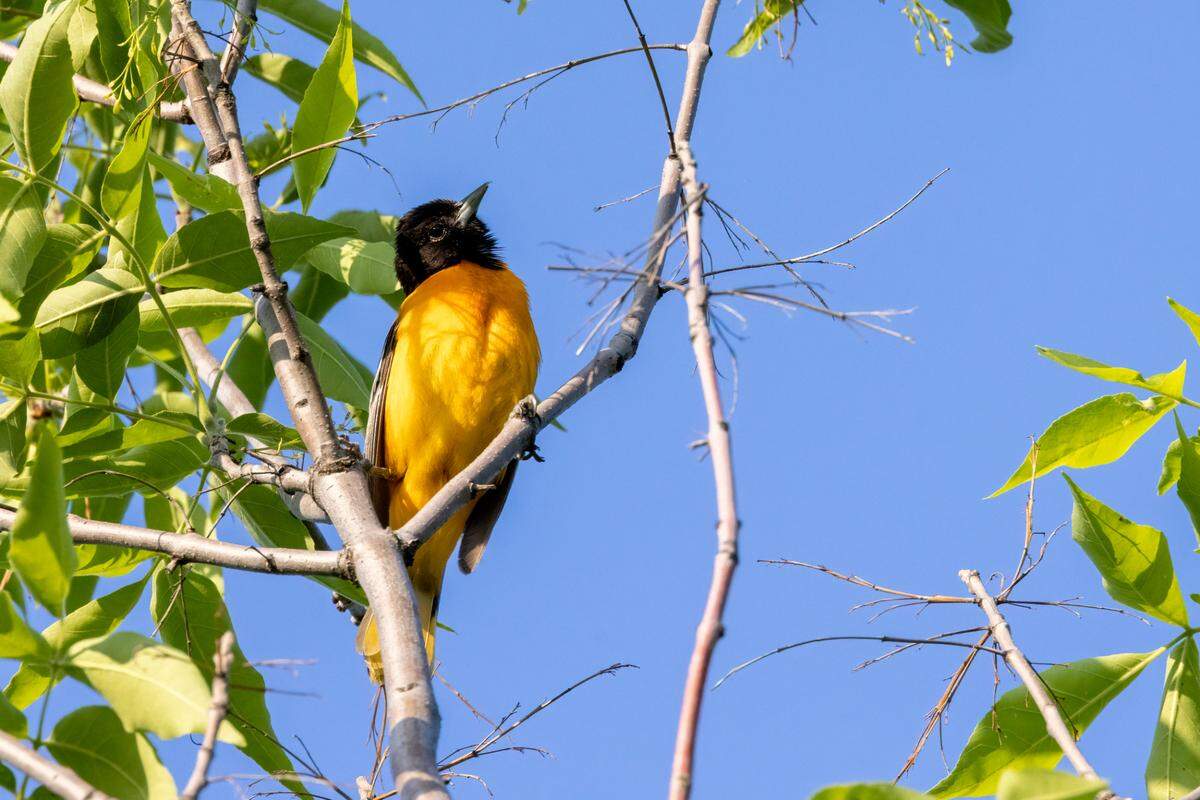
These songbirds can be found whistling and chattering around the Myrtle Beach area in spring. While Baltimore orioles continue through South Carolina on their way north, orchard orioles stick around the Grand Strand for the season to mate.
Painted buntings
Known for their eye-catching plumage, painted buntings are a striking sight. The male birds display blue, green and red feathers, while the female buntings can be identified by their bright yellow-green color. The songbirds will remain to breed and nest in the Grand Strand through the warm season.
Red knots
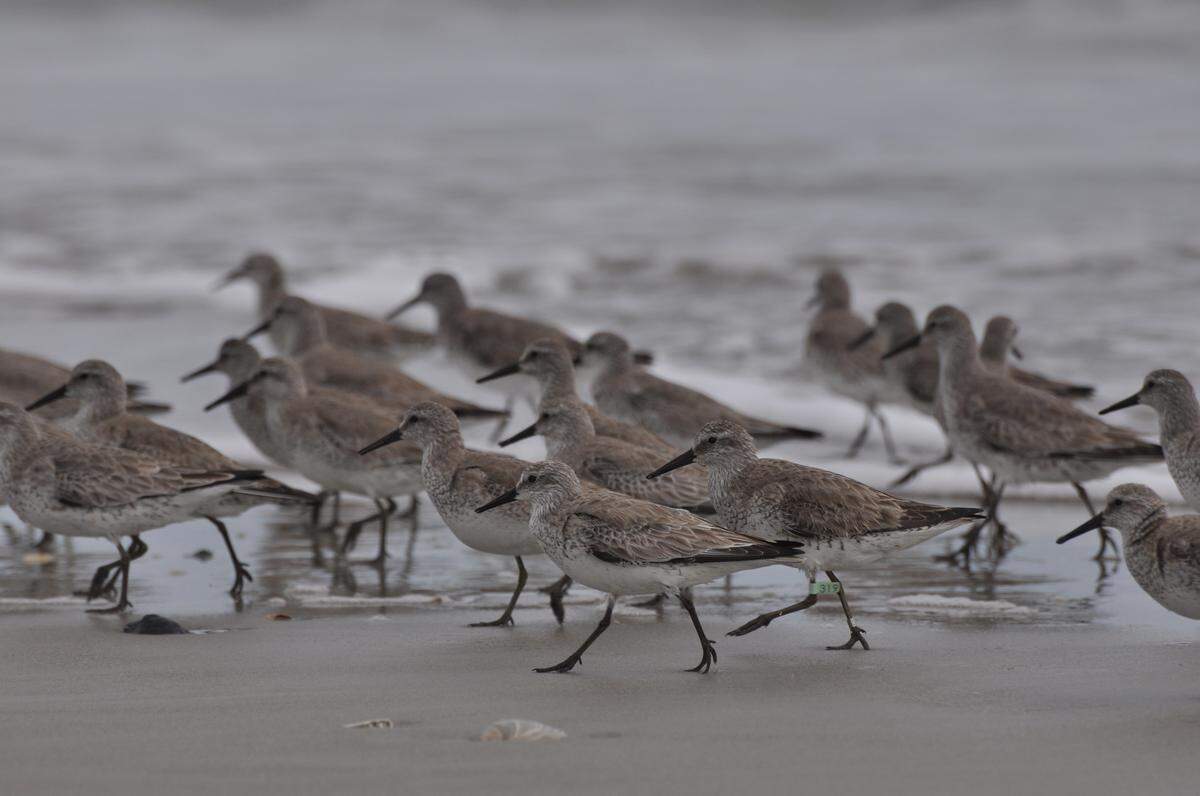
These shorebirds pass through South Carolina on their extensive migration routes. Red knots nest in the Arctic and travel all the way to South America for the winter. If you spot the sandpipers feasting on horseshoe crab eggs along the Grand Strand coast, give them a wide berth.
“Every time they’re disturbed from either feeding or resting, that’s just less energy they have to use when they finally get to their breeding grounds, whether to court or to lay eggs, to have their young, provide for their young,” Wilson said. “They have to be really healthy getting up, and every time they’re disturbed, it can really add up over a very long journey.”
Ruby-throated hummingbirds
Easily identified by their red and green plumage, ruby-throated hummingbirds are back in South Carolina. The birds will stay for the season to breed in the eastern United States.
Averaging just 3.5 grams fully grown, these small birds have big fans. If you’re hoping to spot one around your home, try setting up a nectar feeder or plant flowers to attract the hummingbirds, like azaleas, lilies or petunias. Just make sure to clean nectar feeders once or twice a week and seed feeders once or twice a month, Wilson said.
Red-eyed vireos
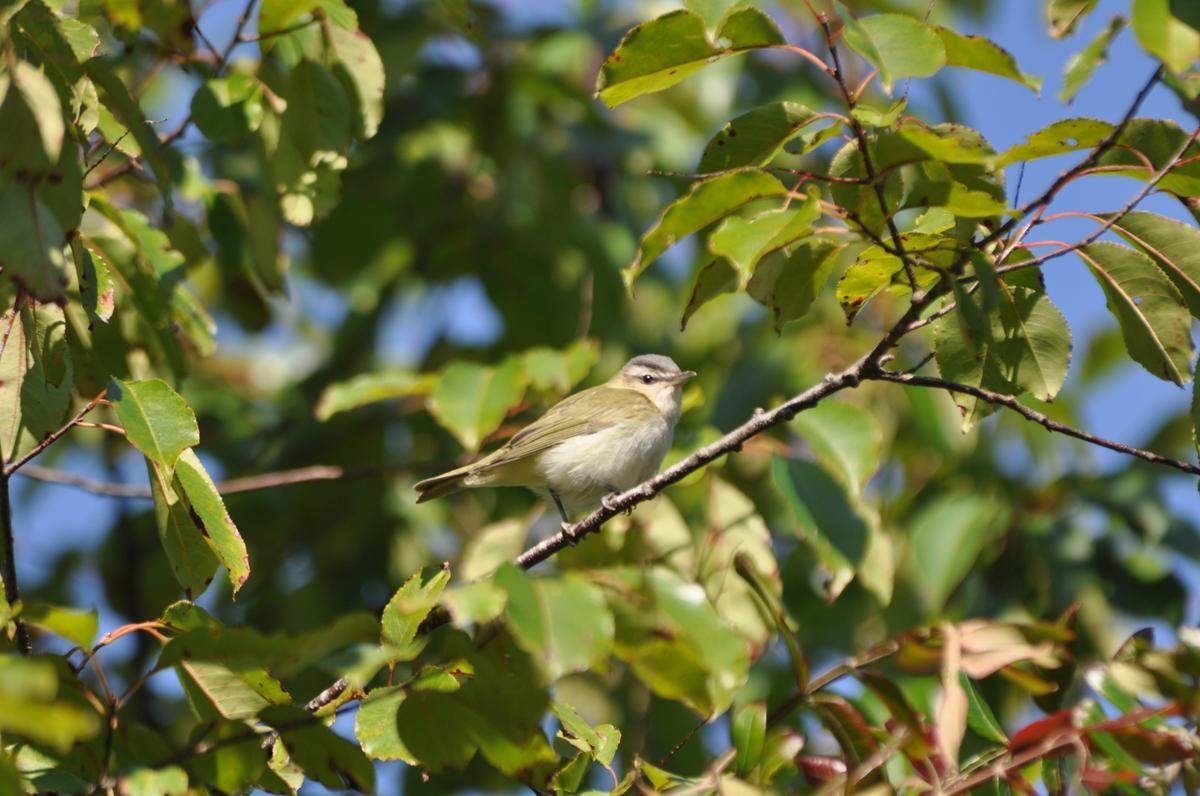
These neotropical little songbirds can be identified by their bright red eyes. Red-eyed vireos are commonly found in the eastern U.S., where they nest in the warm season before returning south in the fall.
Warblers
Birdwatchers can see and hear several species of warblers around the Grand Strand this time of year. According to Wilson, some species of the small songbirds stay for the season, while others keep moving north for the summer.
Best bird-watching spots in the Grand Strand
Cherry Grove Inlet
The inlet at Cherry Grove in North Myrtle Beach is a popular Grand Strand birding spot for good reason. The area’s fish, shellfish and worms provide a feast for shorebirds like sandpipers and plovers.
Horry County Landfill
Although it’s less picturesque than other entries on this list, the Horry County Landfill attracts lots of birds, according to Carolina Bird Club board member and owner and guide at Epic Nature Tours Paul Laurent. Scraps tossed out by humans serve as a welcome buffet for birds.
“Last time I did a tour there, I stopped counting bald eagles when I hit 80, and there were more,” Laurent told The Sun News in September. “And just huge numbers, I mean tens of thousands of seagulls … I did get some really weird, rare birds for this area, popping up at local landfills.”
Myrtle Beach State Park
With more than 300 acres of maritime forest, folks at Myrtle Beach State Park can watch for birds in the trees, on the shore and off the fishing pier. The park also regularly hosts bird-watching programs where visitors can check for nesting birds in birdhouses, identify backyard birds and join bird walks around the park. A complete list of upcoming events is available here.
Huntington Beach State Park
Larger than its Myrtle Beach sister park, Huntington Beach State Park offers varied habitats that make it an excellent birding destination for backyard, shore and waterbirds. For an unforgettable bird-watching excursion, visit the Huntington jetty at high tide. A variety of species scatter the mudflats during low tide, then congregate on a sandbar near the jetty when the tide comes in.
The park hosts bird-watching events or, but if you want to go it alone, you can still check out binoculars, pick up a checklist of more than 300 birds spotted in the park and see the feeding station at the park’s visitor center.